
Gastric Sleeve surgery has become one of the most researched bariatric procedures worldwide, and Turkey is frequently highlighted as a leading destination for this life changing intervention. For individuals exploring surgical weight loss, understanding pricing structures, medical standards, travel logistics, and long term considerations is just as important as understanding the procedure itself.
Turkey’s medical tourism infrastructure combines experienced bariatric surgeons, modern hospitals, and internationally competitive pricing. Yet cost is never just a number. It reflects surgical expertise, hospital accreditation, technology, perioperative care, and follow up systems. This comprehensive guide explores what shapes the cost of Gastric Sleeve in Turkey and how to evaluate the broader medical travel landscape.
What Is Gastric Sleeve and Why Is It Popular in Turkey?
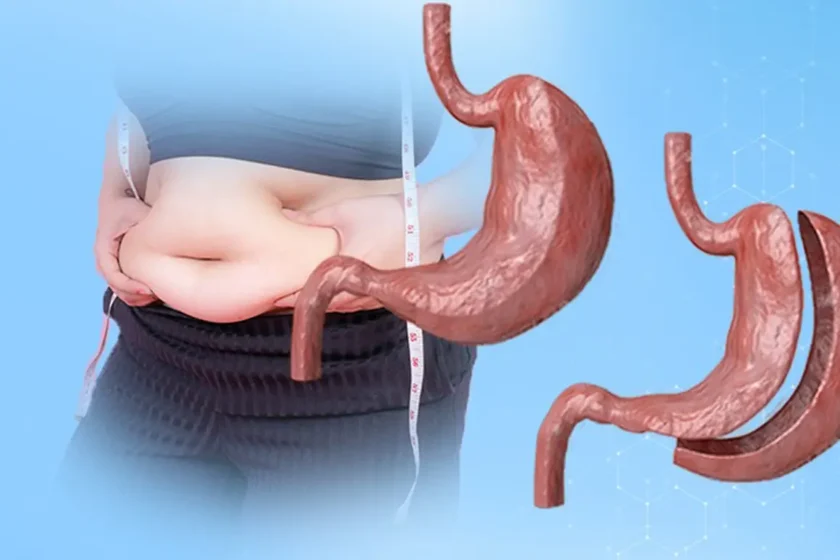
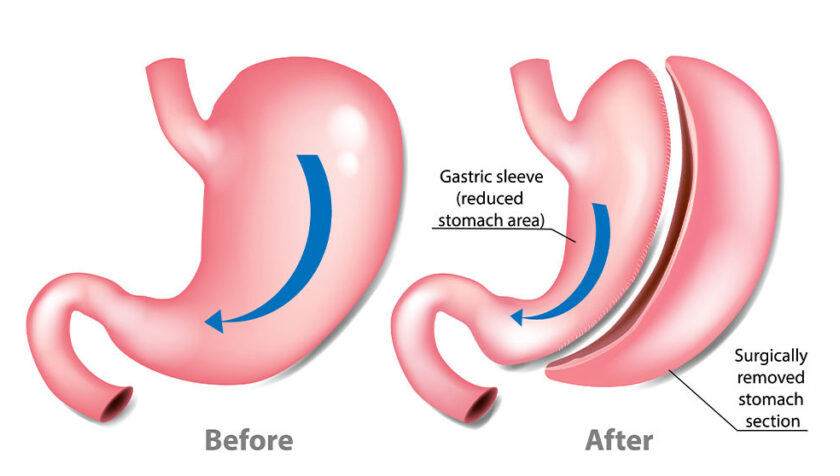
Gastric Sleeve, medically known as sleeve gastrectomy, is a bariatric procedure in which a significant portion of the stomach is surgically removed, leaving a narrow tube shaped structure. This smaller stomach restricts food intake and influences appetite related hormones. The result is a physiological shift that supports gradual and sustained weight reduction.
Turkey has become a major hub for Gastric Sleeve procedures due to its strong surgical training system and high patient volumes. Bariatric centers in major cities such as Istanbul, Ankara, and Izmir frequently operate in internationally accredited hospitals equipped with advanced laparoscopic technology. High surgical volumes often translate into refined techniques and streamlined patient pathways.
Beyond clinical expertise, Turkey’s strategic geographic location between Europe and the Middle East makes travel accessible. Short flight times from many countries reduce logistical strain, which is particularly important for patients undergoing surgical procedures.
How Much Does Gastric Sleeve Cost in Turkey?
The cost of Gastric Sleeve in Turkey typically ranges between 3,000 and 6,500 USD. However, pricing is influenced by several variables including hospital category, surgeon experience, included services, and length of stay.
Below is a general cost comparison table:
| Country | Average Gastric Sleeve Cost (USD) |
| United States | 15,000 to 25,000 |
| United Kingdom | 10,000 to 18,000 |
| Germany | 9,000 to 15,000 |
| Turkey | 3,000 to 6,500 |
These figures illustrate why many patients consider medical travel. However, lower cost does not automatically indicate lower quality. In Turkey, operational costs such as staffing and infrastructure are often lower than in Western Europe or North America. This economic difference contributes to the affordability of Gastric Sleeve without necessarily compromising clinical standards.
Patients should evaluate what the package includes. Some centers offer all inclusive pricing that covers hospital stay, preoperative tests, anesthesia, accommodation, transfers, and translation services. Others may list only the surgical fee.
Factors That Influence Gastric Sleeve Cost in Turkey
The total cost of Gastric Sleeve is shaped by multiple medical and logistical elements. Understanding these factors helps patients make informed comparisons rather than focusing solely on headline prices.
Surgeon Expertise
Surgeons with extensive bariatric experience or international training may charge higher professional fees. Experience often correlates with complication management skills and procedural precision.
Hospital Accreditation
Internationally accredited hospitals invest in infection control systems, advanced imaging, and intensive care units. These structural standards can influence overall pricing.
Preoperative Evaluation
Comprehensive blood panels, cardiac screening, nutritional assessments, and imaging studies are part of a responsible bariatric pathway. These diagnostic layers contribute to total cost.
Postoperative Monitoring
The immediate recovery phase includes nursing observation, pain management, and early mobilization protocols. Extended hospital stay increases expenses but may enhance safety.
While cost transparency is essential, patients should interpret pricing within the broader context of medical infrastructure.
Medical Travel Logistics for Gastric Sleeve
Traveling abroad for Gastric Sleeve requires structured planning. Turkey’s medical tourism ecosystem is designed to simplify this process, yet personal preparation remains important.
Most patients stay in Turkey for 5 to 7 days. This timeframe includes preoperative consultation, surgery, and initial recovery. Many clinics coordinate airport transfers and hotel arrangements to reduce logistical stress.
Language accessibility is another consideration. Major bariatric centers typically provide multilingual coordinators. Clear communication supports informed consent and reduces uncertainty during recovery.
Patients should also plan for follow up care once they return home. Remote consultations via video platforms are increasingly common in bariatric practice. Long term nutritional monitoring often involves collaboration with local healthcare providers.
Outcomes and Long Term Considerations After Gastric Sleeve
Clinical studies suggest that Gastric Sleeve can support substantial weight reduction within the first 12 to 18 months. However, results vary depending on metabolic profile, lifestyle adaptation, and adherence to postoperative guidelines.
Weight loss surgery is not purely mechanical. Hormonal changes, particularly reductions in ghrelin levels, may influence appetite regulation. Researchers continue to examine how sleeve gastrectomy interacts with insulin sensitivity and metabolic pathways.
Long term considerations include nutritional monitoring and lifestyle restructuring. Reduced stomach capacity requires mindful eating habits. Vitamin supplementation is often recommended in bariatric literature, although individual protocols differ.
Patients should view Gastric Sleeve as part of a broader metabolic journey rather than a standalone solution. Sustainable outcomes depend on consistent follow up and behavioral adaptation.
Comparing Gastric Sleeve to Other Bariatric Procedures
While Gastric Sleeve is widely performed, it is not the only bariatric option. Gastric bypass and mini gastric bypass procedures also exist, each with distinct anatomical and metabolic implications.
Sleeve gastrectomy involves stomach reduction without intestinal rerouting. This structural simplicity often results in shorter operative times compared to bypass techniques. However, bypass surgery may offer different metabolic advantages in certain patient profiles.
Decision making typically involves body mass index, metabolic status, and previous abdominal surgery history. Surgeons evaluate these parameters before recommending a specific approach. Comparative research continues to refine criteria for selecting the most appropriate intervention.
Evaluating Safety and Quality in Turkey
Turkey’s bariatric centers operate under national health regulations and, in many cases, international accreditation bodies. Infection rates, complication management protocols, and anesthesia safety standards are central indicators of quality.
Patients researching Gastric Sleeve providers should consider:
- Surgeon’s bariatric case volume
- Hospital accreditation status
- Transparent complication reporting
- Multidisciplinary team presence
High quality programs often include dietitians, endocrinologists, psychologists, and specialized nurses. This team based model reflects contemporary bariatric science.
Independent patient reviews may offer insight, but objective medical credentials carry greater weight. Responsible providers prioritize structured evaluation over promotional claims.
Is Gastric Sleeve in Turkey Worth the Cost?
The value of Gastric Sleeve in Turkey lies at the intersection of affordability and clinical infrastructure. For many international patients, the financial difference compared to domestic surgery is substantial.
However, value is not defined by price alone. Travel expenses, accommodation quality, aftercare systems, and long term accessibility to the surgical team all shape the overall experience.
Patients considering bariatric travel should approach the process analytically. Reviewing clinical data, comparing comprehensive packages, and understanding postoperative commitments fosters realistic expectations.
Recovery Timeline After Gastric Sleeve in Turkey
Gastric Sleeve surgery in Turkey represents a convergence of modern bariatric science and accessible medical travel. The cost advantage, when combined with experienced surgical teams and structured hospital systems, explains the country’s growing international reputation.
Yet the true cost of Gastric Sleeve extends beyond financial figures. It includes preparation, informed evaluation, recovery planning, and long term lifestyle adaptation. Individuals who analyze both medical and logistical dimensions are better positioned to navigate this transformative decision with clarity.