Duodenal Switch is a complex bariatric surgery aimed at providing significant and long lasting weight loss for individuals with severe obesity. The procedure combines two key components: reducing the size of the stomach to limit food intake and rerouting a portion of the small intestine to decrease calorie absorption. This dual approach not only helps patients achieve a lower calorie intake but also impacts digestion and nutrient processing, leading to substantial and sustained results.
At our clinic, each Duodenal Switch candidate undergoes an extensive medical review before treatment. This step ensures the patient’s health profile is fully understood, safety risks are minimized, and the surgical plan is tailored to individual needs. Our team prioritizes precision in surgery and long term care, focusing on strategies that help patients maintain their results well beyond the initial recovery period.
For those who have struggled with severe obesity despite attempting various diets, exercise programs, or even other bariatric procedures, Duodenal Switch can be a transformative option. Our specialists are here to evaluate your suitability, explain the procedure in detail, and guide you through each phase from preparation to long term follow up.
Get a Free Consultation
Have questions? Message us now and we will get back to you as soon as possible.
We emphasize that Duodenal Switch is a major surgical intervention and should be approached with realistic expectations and a readiness to commit to significant lifestyle changes. Quick fixes are rarely effective; instead, lasting success depends on structured planning, adherence to post surgery guidelines, and ongoing medical monitoring.
Empowering patients to make confident decisions is central to our practice. That’s why we provide clear explanations, honest discussions of risks and benefits, and practical resources to support patients before, during, and after their procedure.
Who Should Consider Duodenal Switch?
Duodenal Switch is generally reserved for individuals with a body mass index (BMI) of 40 or higher, or for those with a BMI above 35 who suffer from serious obesity related conditions such as type 2 diabetes, high blood pressure, or sleep apnea.
It may also be considered for patients who have not achieved their desired results from previous bariatric procedures.
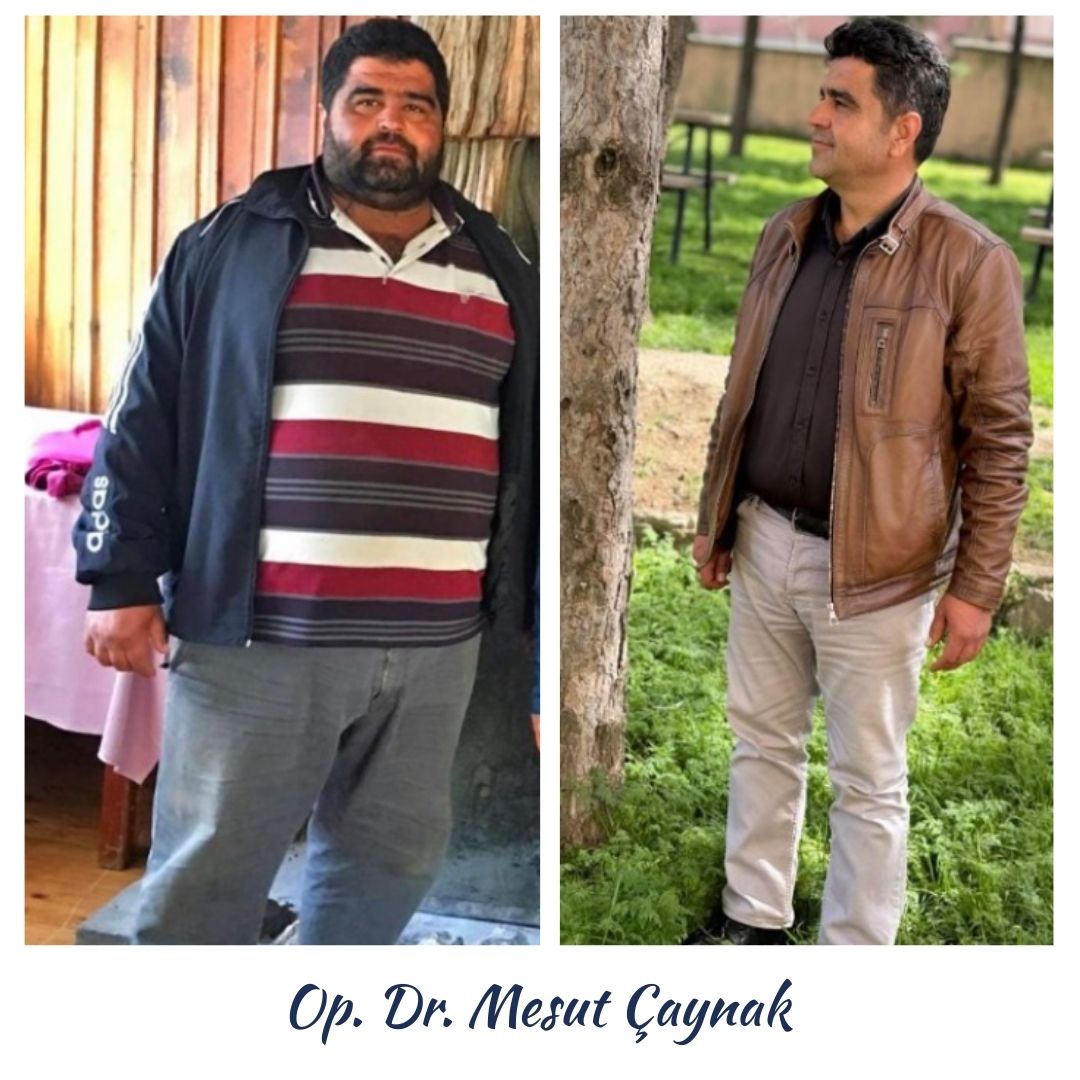
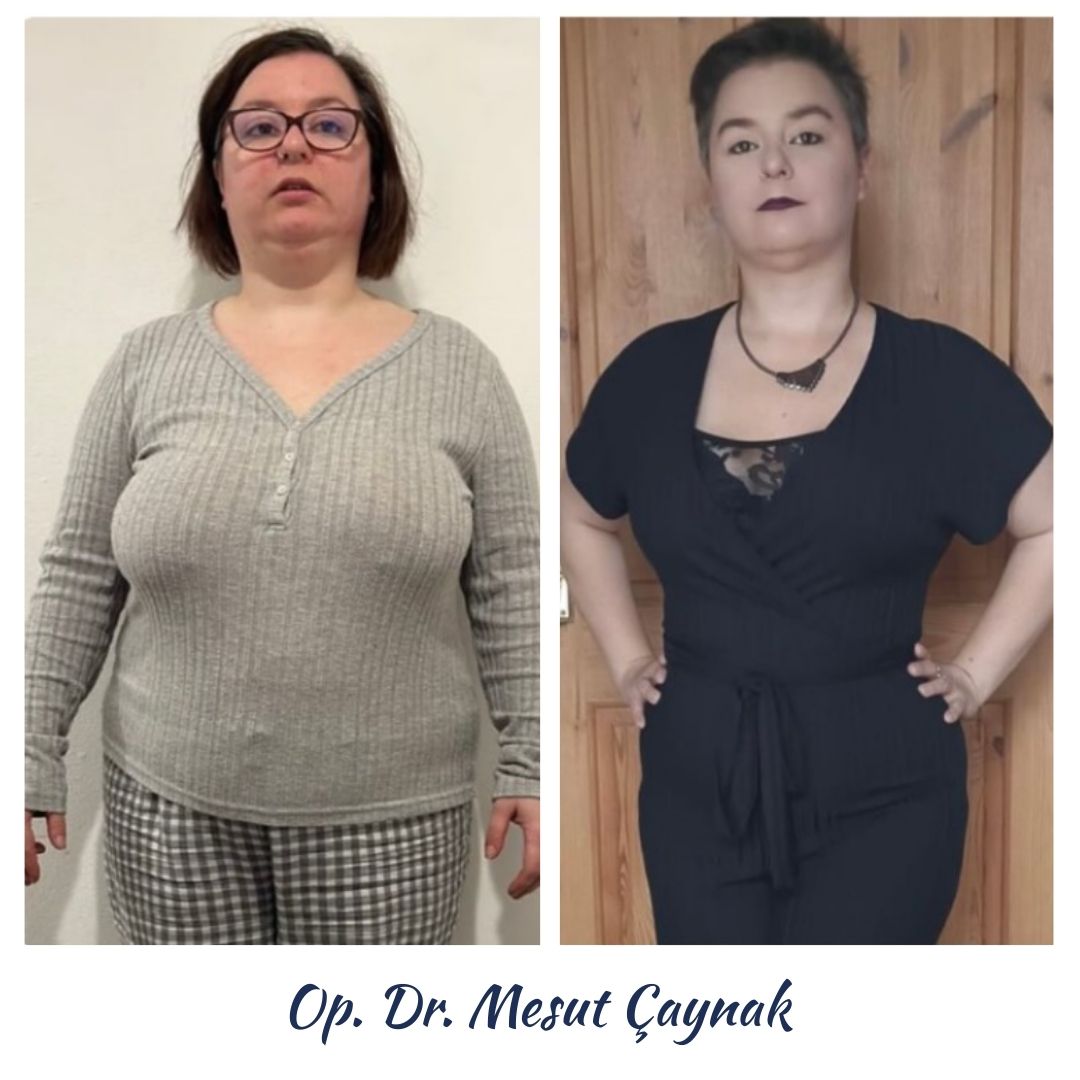
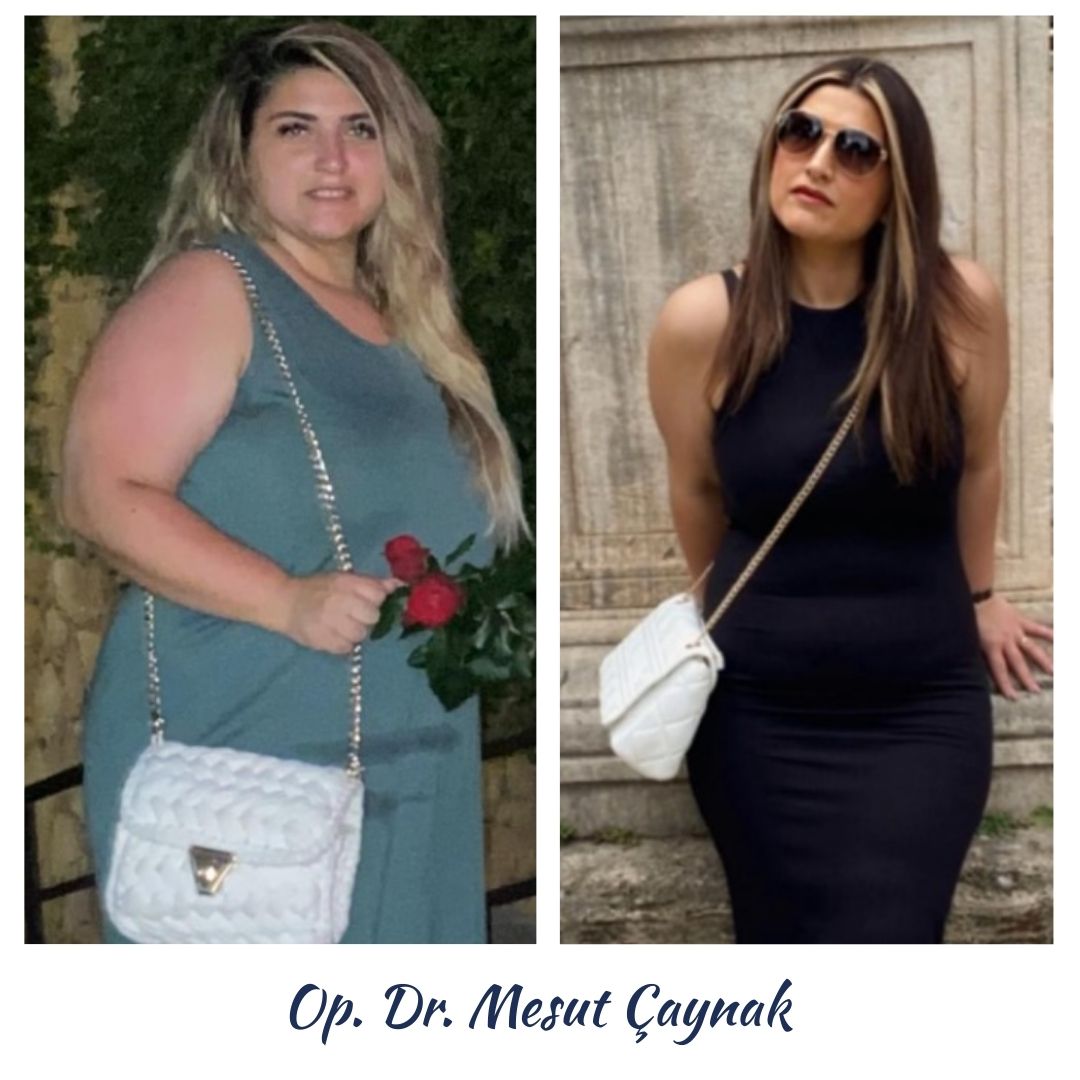
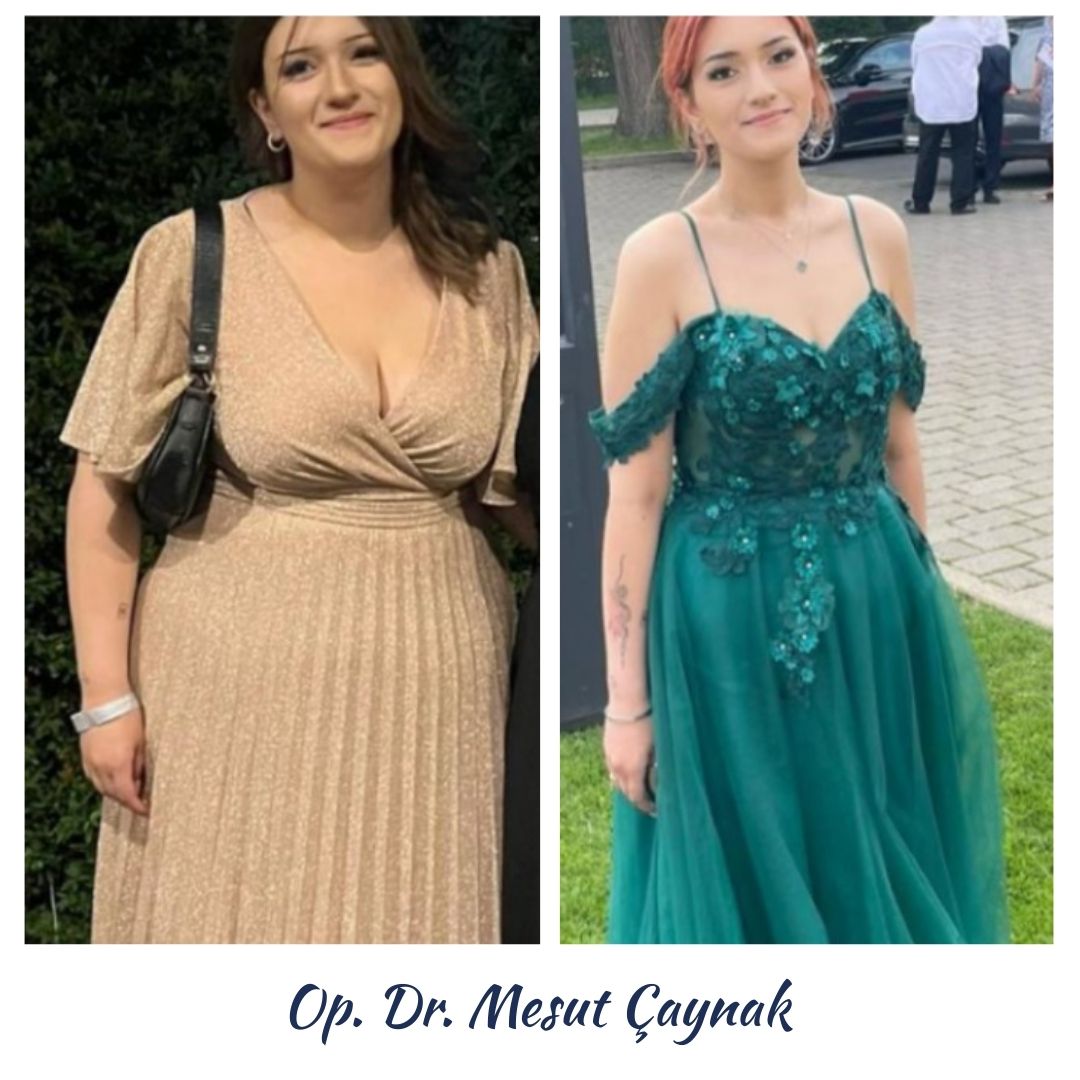
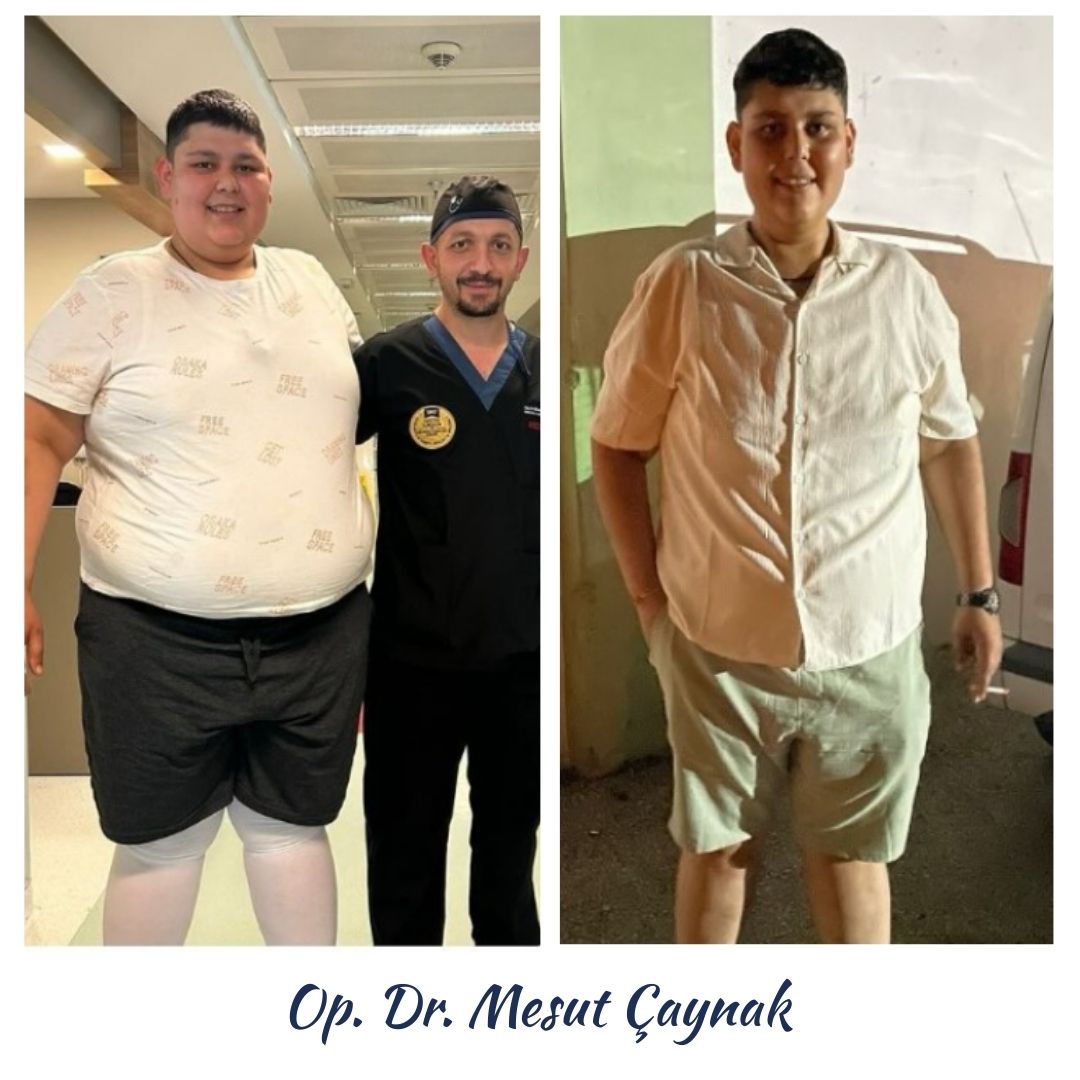
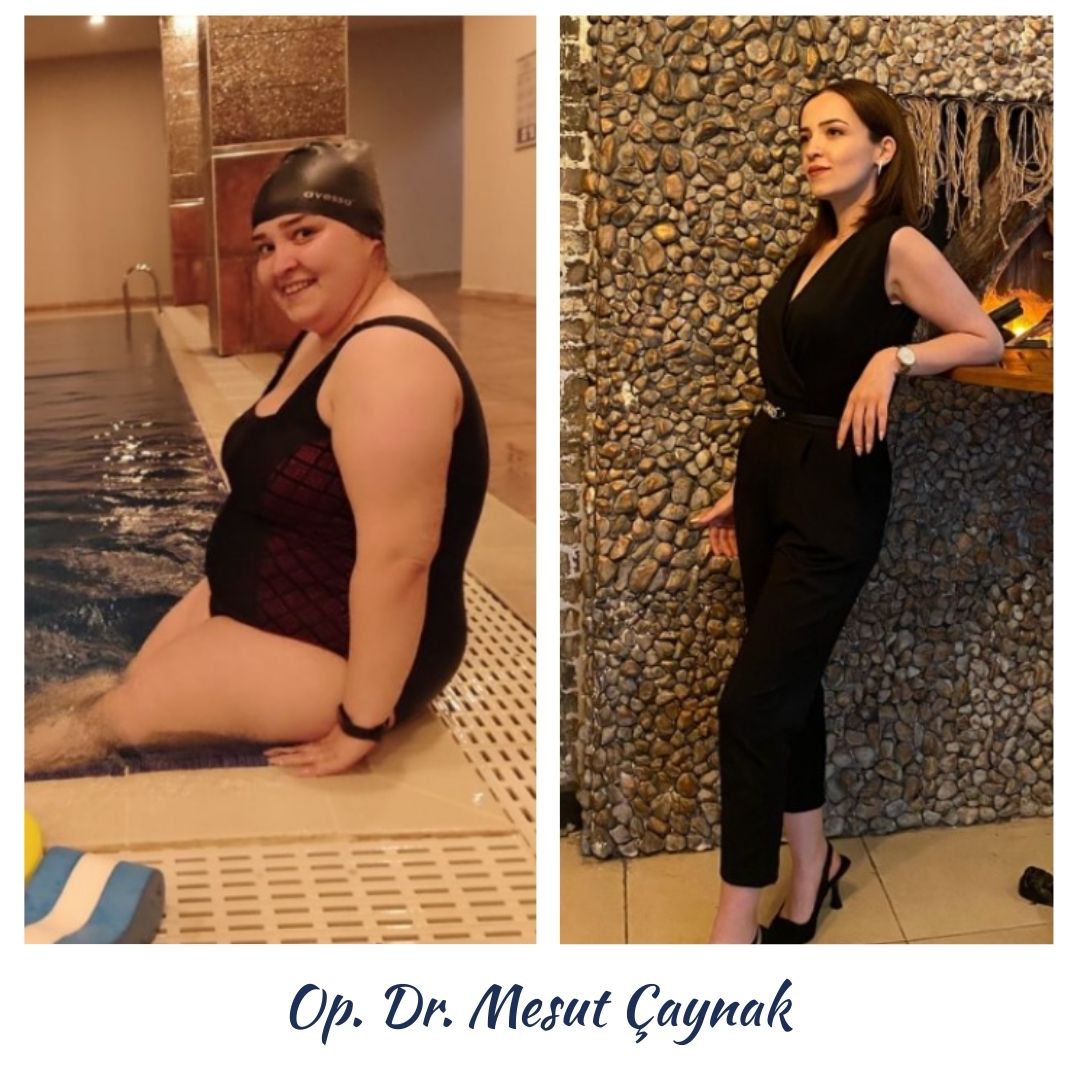
Before & After Bariatric Surgery
Candidates must be prepared for a lifelong commitment to nutritional supplements, balanced eating habits, and regular physical activity to maximize the benefits of the surgery.
A thorough preoperative assessment is crucial to determine if Duodenal Switch is a safe and appropriate option. While it can deliver exceptional weight loss outcomes, it is not a shortcut it requires dedication and medical guidance for optimal results.
Your Path from Preparation to Recovery
Stage
What to Expect
Pre operative Assessment
Comprehensive health check including blood tests, imaging, and specialist consultations to ensure suitability and readiness for the duodenal switch procedure.
Surgical Planning
A personalized plan detailing both the sleeve gastrectomy and intestinal bypass components, tailored to maximize weight loss and metabolic benefits.
Duodenal Switch Surgery
Performed under general anesthesia in a JCI accredited facility using advanced techniques. Involves reducing stomach size and rerouting a portion of the small intestine.
Post operative Follow up
Close monitoring with nutritional guidance, supplementation plans, and lifestyle coaching to maintain results and prevent nutritional deficiencies.
Duodenal switch is a complex bariatric surgery designed for patients with severe obesity. It combines two techniques: a sleeve gastrectomy to reduce stomach size and a significant rerouting of the small intestine to limit calorie and nutrient absorption. This dual approach allows for substantial weight loss and improvement in metabolic conditions like type 2 diabetes. The procedure is typically recommended for patients with a high BMI or those who have not achieved sufficient weight loss with other methods.
What Is A Duodenal Switch
A duodenal switch involves removing a large portion of the stomach to create a sleeve, while also bypassing a major section of the small intestine. This reduces the amount of food the stomach can hold and the number of calories absorbed. It is particularly effective for patients who require significant and sustained weight loss and who may also benefit from improvements in obesity related diseases.
How Fast Do You Lose Weight With A Duodenal Switch
Patients typically experience rapid weight loss within the first 6 to 12 months after surgery, losing up to 70 to 80 percent of excess body weight. Weight loss continues more gradually after the first year, with long term success heavily dependent on dietary adherence, exercise, and follow up care.
Is The Duodenal Switch Better Than Gastric Bypass
The duodenal switch generally results in greater long term weight loss and more significant metabolic improvements compared to gastric bypass. However, it is more complex, carries higher surgical risk, and requires strict adherence to nutrition and supplementation protocols. Patients must discuss individual risks and benefits with their bariatric surgeon.
What Are The Disadvantages Of The Duodenal Switch
Disadvantages include higher risk of nutrient deficiencies, diarrhea, and fat malabsorption. Surgical risks such as bleeding, infection, and complications from anesthesia are also higher than simpler procedures. Lifelong vitamin and mineral supplementation is mandatory to prevent deficiencies.
Life After Duodenal Switch
Adjusting to life after a duodenal switch requires significant lifestyle changes, including dietary modifications, careful monitoring of nutrient intake, and regular follow up visits. While the surgery offers dramatic weight loss and improvement in metabolic health, patients must adopt lifelong habits to maintain results and prevent complications.
Who Is A Candidate For The Duodenal Switch
Ideal candidates are patients with a BMI of 50 or higher, or those with a BMI of 40–50 who have serious obesity related health conditions such as type 2 diabetes, sleep apnea, or severe hypertension. Candidates must also demonstrate a commitment to long term dietary adherence, supplementation, and routine medical follow up.
What Cannot Eat After A Duodenal Switch
After surgery, patients must avoid high sugar foods, fatty meals, and overly processed items that can exacerbate diarrhea or nutritional deficiencies. Portions must be controlled, and meals should emphasize protein, fiber, and essential vitamins. Alcohol and carbonated drinks are also restricted to prevent discomfort and stretching of the stomach pouch.
Why Do I Poop So Much After Duodenal Switch Surgery
Increased bowel movements are common due to the reduced absorption of fats and nutrients. This malabsorption can cause frequent or loose stools, particularly if the patient consumes high fat foods. Adhering to dietary guidelines and taking recommended supplements can help manage these symptoms.
Can You Eat Normally After A Duodenal Switch
Patients cannot return to pre surgery portion sizes. The reduced stomach capacity and altered digestion require smaller, nutrient dense meals. Eating slowly, chewing thoroughly, and following a structured diet plan are essential to avoid discomfort and maintain nutritional balance.
Can You Have A Baby After A Duodenal Switch
Pregnancy is possible after duodenal switch, but it is generally recommended to wait at least 12–18 months after surgery when weight has stabilized. Close monitoring by both a bariatric and obstetric team is necessary to ensure adequate nutrition for both mother and baby.
How Long Is The Hospital Stay After A Duodenal Switch
Hospital stay usually ranges from 2 to 5 days, depending on the patient’s recovery, any complications, and adherence to early postoperative protocols. Patients are monitored closely for signs of infection, bleeding, or digestive issues before discharge.
Safety And Long Term Outcomes
Understanding the risks, survival rates, and overall safety of the duodenal switch is crucial for patients considering this procedure. While it offers significant benefits, patients must be aware of potential complications and necessary lifelong care.
How Many People Have Died From Duodenal Switch
Duodenal switch carries a slightly higher risk of complications compared to simpler bariatric surgeries. Mortality rates are low in experienced centers, generally less than 1 percent, but it is important for patients to understand that the complexity of the procedure increases surgical risk. Choosing a highly experienced bariatric surgeon significantly reduces these risks.
What Is The Safest Weight Loss Surgery Option
While the duodenal switch is highly effective for weight loss, safer options such as gastric sleeve or gastric balloon exist for patients with lower BMI or fewer obesity related conditions. The safest procedure depends on the patient’s health profile, comorbidities, and surgeon expertise.
What Is The Survival Rate For The Duodenal Switch
Survival rates are high in experienced medical centers, with the vast majority of patients recovering without major complications. Long term success and safety are enhanced by adherence to postoperative guidelines, proper supplementation, and regular follow up care.
Why Do Patients Choose Duodenal Switch
Patients often choose the duodenal switch for its superior weight loss outcomes, significant improvement in metabolic conditions such as type 2 diabetes, and long term health benefits. It is particularly suitable for individuals with severe obesity or those who have not succeeded with other weight loss interventions.
What type of patients do you work with for Duodenal Switch?
We assist individuals who meet the medical eligibility criteria for Duodenal Switch and are committed to following the necessary post surgery lifestyle and dietary changes.
Is there a fee for an initial Duodenal Switch consultation?
All fees and related costs are explained clearly during your first visit, so you can make an informed decision without uncertainty.
Will you coordinate with my healthcare team during Duodenal Switch treatment?
Yes, we collaborate with your primary physician, nutritionist, and any other specialists to ensure consistent and well rounded care.
Do you provide tools to help track progress after Duodenal Switch?
We offer structured follow up programs, including nutritional monitoring, digital progress tracking, and scheduled check ups to help patients maintain their weight loss and overall health.
Still Deciding?
Let’s Talk About Your Options
Whether you’re ready to start or just curious, our team is here to answer your questions. You can book an online consultation or simply reach out for guidance.
No pressure — filling out this form does not commit you to any treatment. It’s just the first step to explore what’s best for you.