Gastric Bypass is an advanced bariatric treatment aimed at supporting patients with obesity in achieving major and lasting weight reduction. The procedure involves creating a small stomach pouch and rerouting a section of the small intestine, which decreases the amount of food the stomach can hold and reduces calorie absorption. This dual effect not only limits intake but also impacts appetite hormones, helping patients control hunger more effectively.
In our clinic, every individual begins with an in depth health assessment to ensure the treatment is appropriate and safe. We design a care plan that addresses each patient’s specific needs and sets the foundation for long term weight control. Our method combines expert surgical precision with consistent post operative care to maximize success.
For those who have struggled to achieve stable results through diet and exercise alone, Gastric Bypass can be a transformative option. Our medical team is ready to evaluate your condition, explain the process in detail, and accompany you through every stage of your journey.
Get a Free Consultation
Have questions? Message us now and we will get back to you as soon as possible.
We emphasize that successful outcomes with Gastric Bypass require dedication, realistic expectations, and adherence to follow up guidance.
Unlike temporary measures, this is a structured medical approach designed for sustainable results. A core part of our philosophy is enabling patients to make confident, informed decisions.
That’s why we provide clear explanations, evidence based insights, and continuous support throughout your treatment.
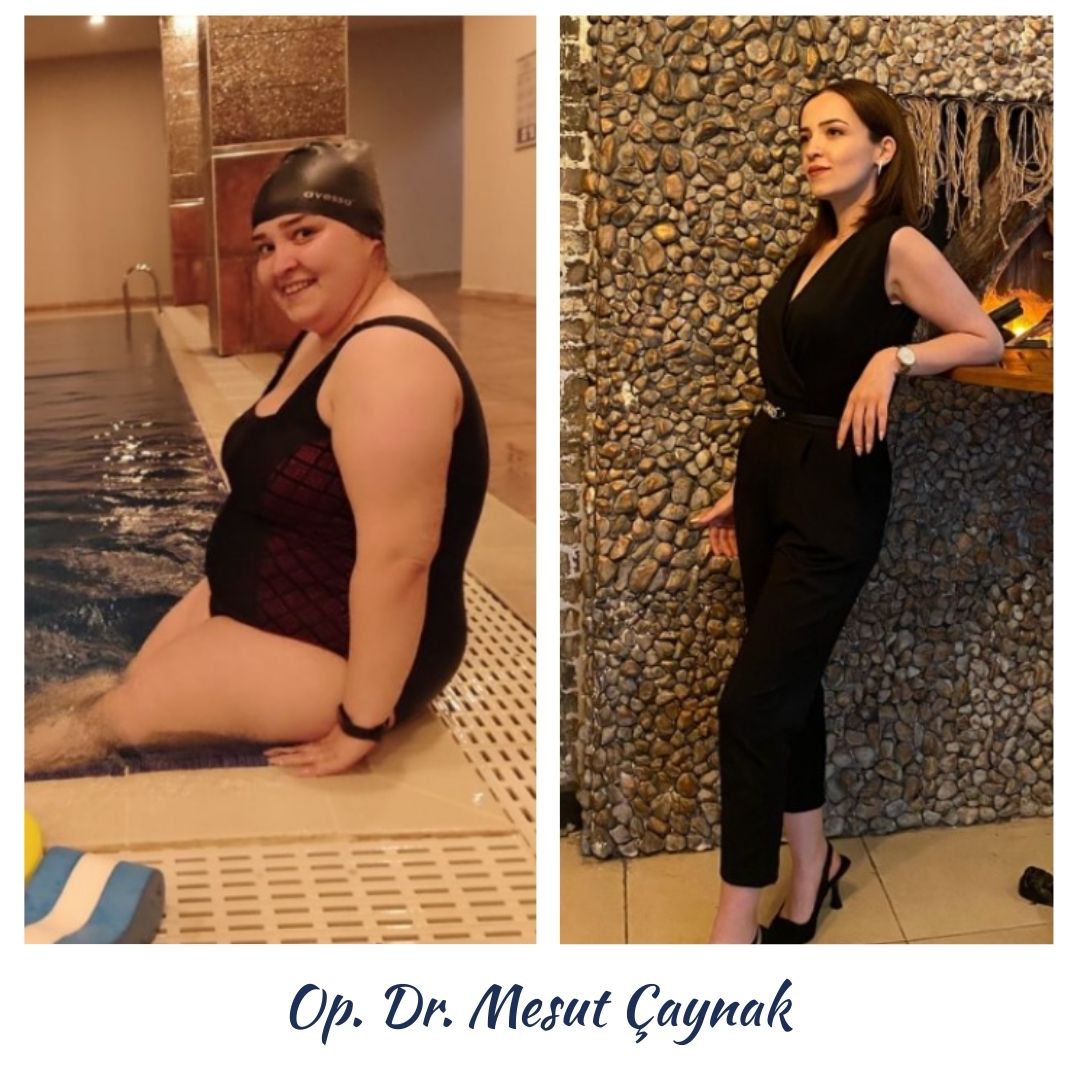
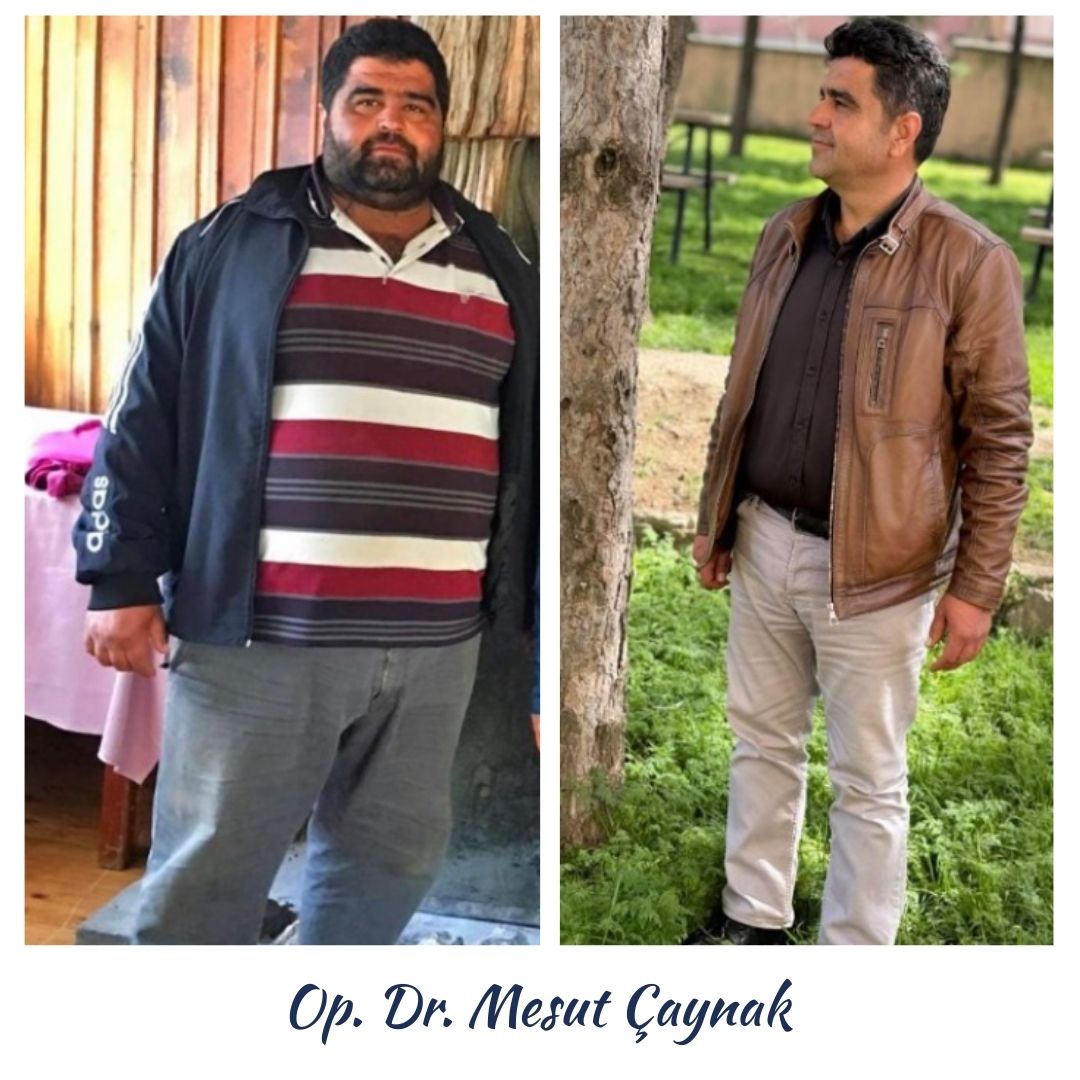
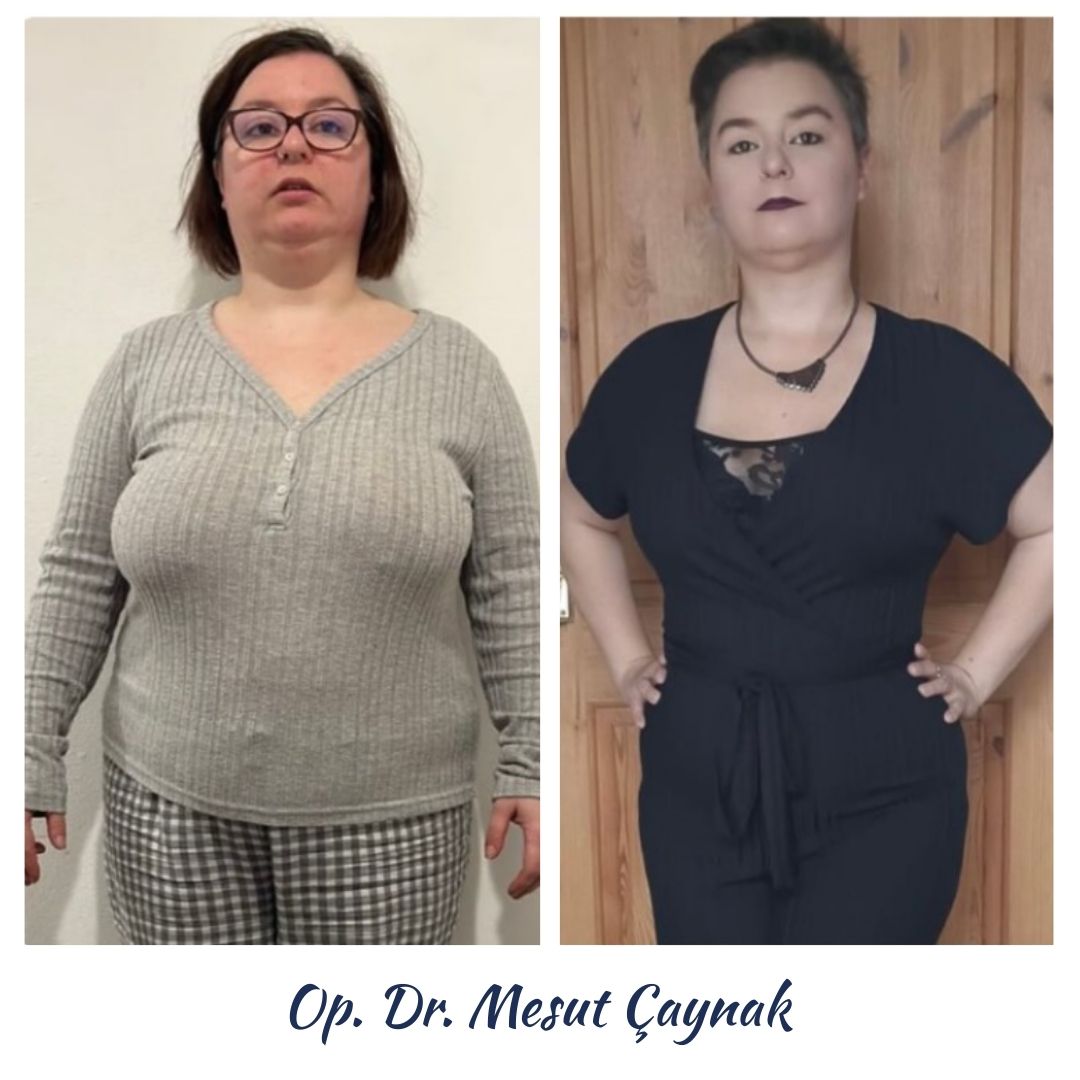
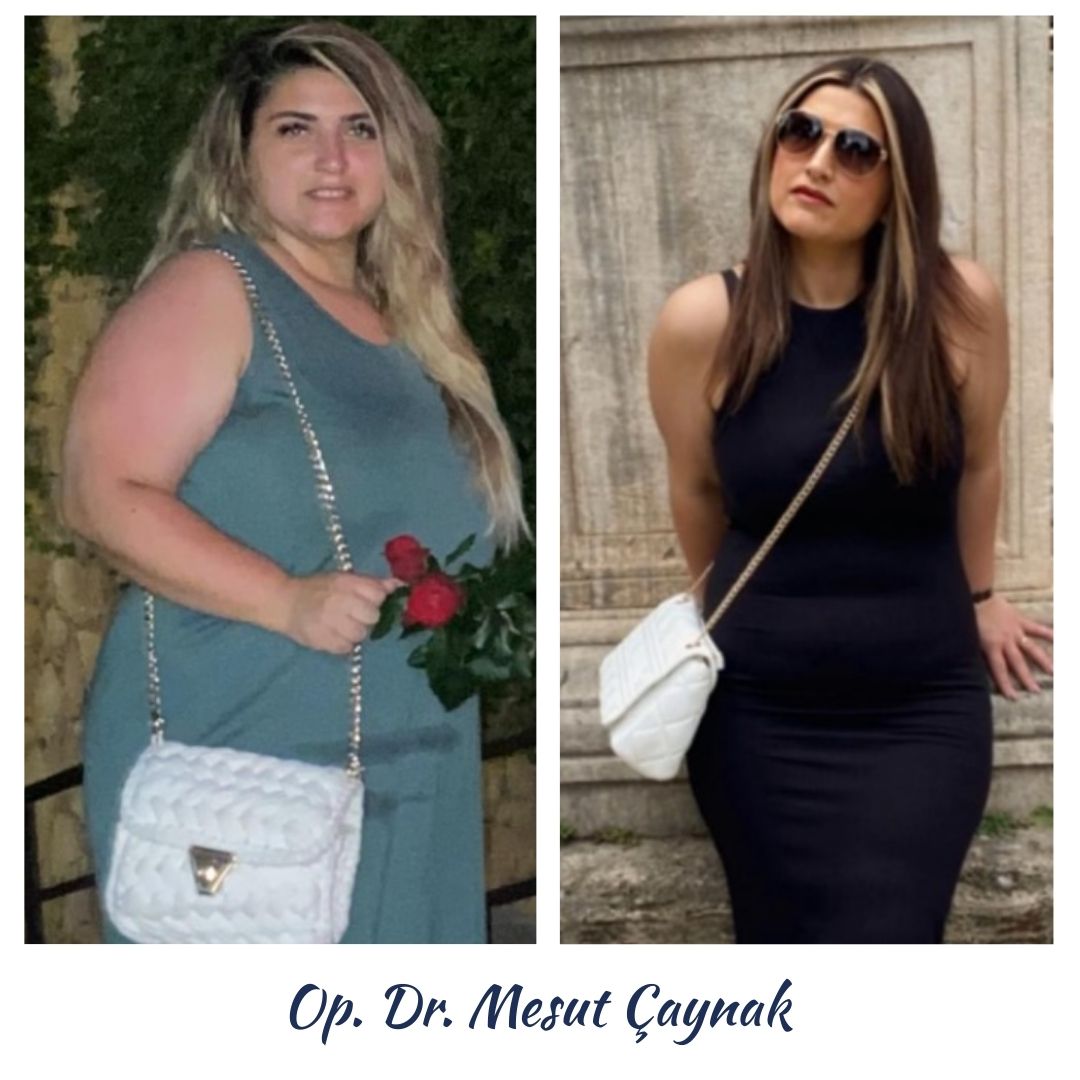
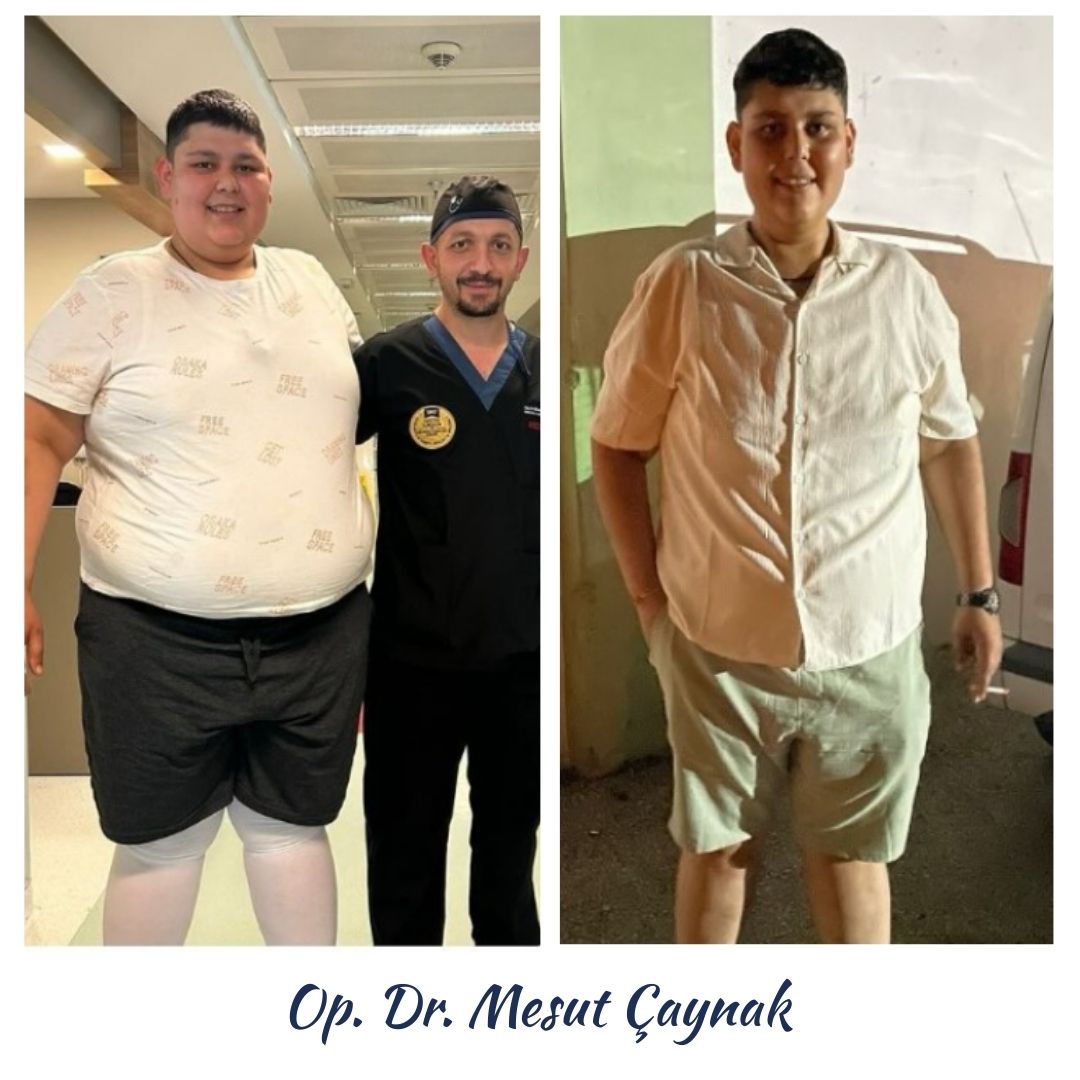
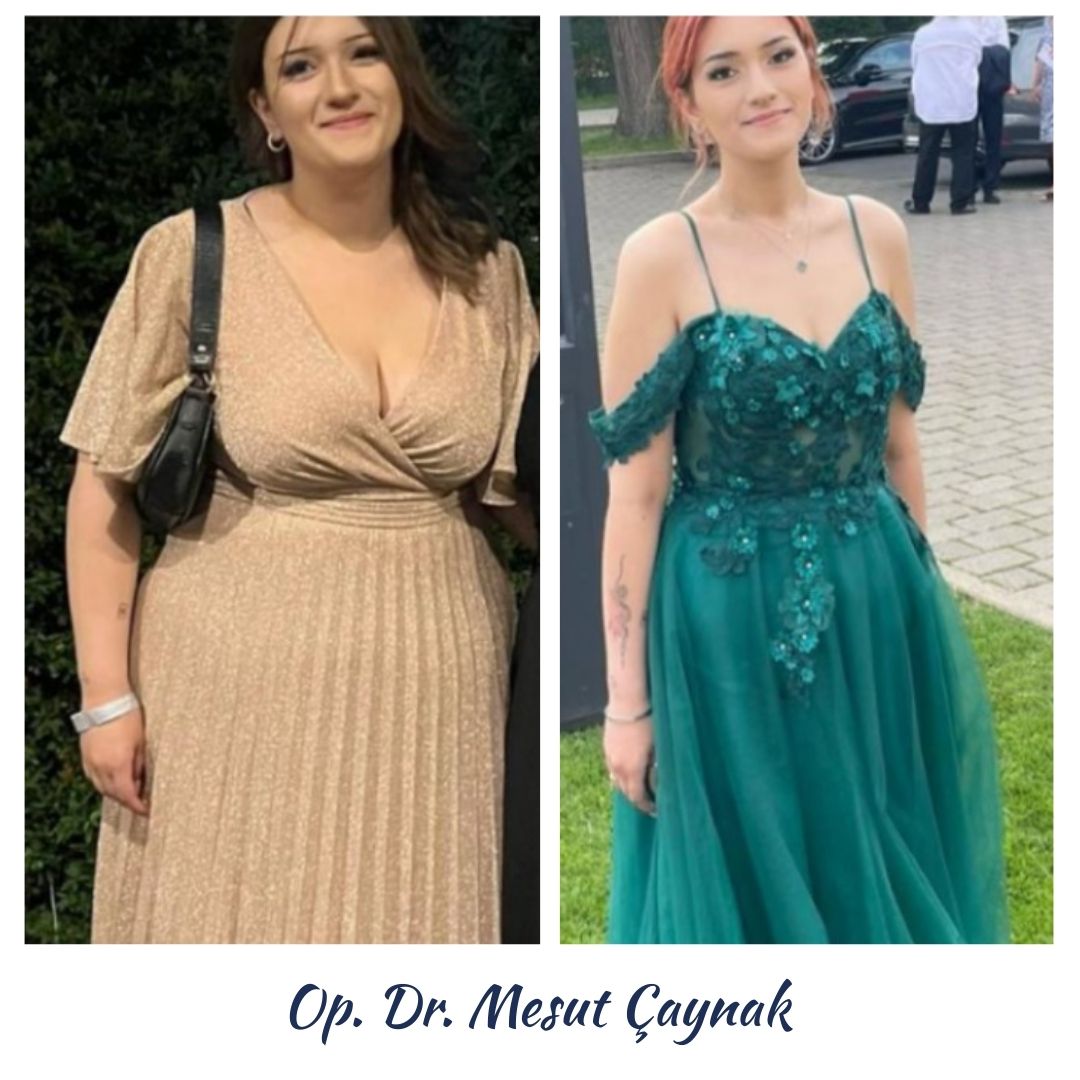
Before & After Bariatric Surgery
Is Gastric Bypass Right for You?
This procedure is often recommended for people whose BMI is 35 or higher, as well as for those with a BMI above 30 who also face serious health issues linked to obesity such as type 2 diabetes, high blood pressure, or sleep apnea. It is especially considered for patients who have made consistent but unsuccessful attempts to lose weight through non surgical methods.
Undergoing Gastric Bypass means committing to permanent lifestyle changes. Balanced nutrition, regular physical activity, and regular follow up appointments form the basis for maintaining results. A detailed medical review ensures that the treatment is safe, appropriate, and tailored to the patient’s unique health profile.
Your Path from Preparation to Recovery
Stage
What to Expect
Pre operative Assessment
In depth health evaluation, imaging, body composition analysis, and consultations to ensure you are fully prepared and understood before surgery.
Surgery (Gastric Bypass)
Performed under general anesthesia in a modern facility, using minimally invasive techniques to create a small stomach pouch connected to the small intestine.
Hospital Stay & Initial Recovery
Patients stay in the hospital for a few days after surgery. Early gentle activity and nutrition guidance support a safe and smooth transition home.
Post operative Follow up
Ongoing support with nutritional guidance, scheduled consultations, and lifestyle coaching to sustain weight loss and long term health improvements.
Gastric bypass is one of the most effective bariatric procedures for long term weight loss. It involves creating a small stomach pouch and rerouting a portion of the small intestine. This reduces food intake and nutrient absorption, helping patients lose weight rapidly and sustainably.
How Does The Gastric Bypass Work
During gastric bypass surgery, the surgeon divides the stomach into a small upper pouch and a larger lower section. The small intestine is then rearranged to connect to the new pouch. This dual effect limits the amount of food the stomach can hold and reduces calorie absorption, promoting significant weight loss.
What Happens To The Stomach During Gastric Bypass
The stomach is permanently divided, leaving a tiny pouch about the size of an egg. This small pouch acts as the new stomach, allowing only small portions of food. The remaining stomach is bypassed but continues to produce digestive juices that mix with food further down the intestine.
How Quickly Will I Lose Weight After Gastric Bypass
Patients usually experience rapid weight loss in the first 6 to 12 months following surgery. Most individuals lose a significant portion of excess weight during this period, with continued slower weight loss afterward. Results depend on adherence to diet, exercise, and follow up care.
Safety And Recovery
Understanding the safety and recovery process of gastric bypass is essential for patients considering the procedure. Proper preparation and follow up care significantly improve outcomes.
How Safe Is Gastric Bypass
Gastric bypass is generally considered safe when performed by experienced bariatric surgeons. Modern techniques and hospital protocols have reduced complication rates, though risks such as infection, bleeding, or nutrient deficiencies still exist.
How Painful Is Gastric Bypass
Most patients experience moderate discomfort after surgery, especially during the first few days. Pain is usually managed effectively with prescribed medications. Minimally invasive laparoscopic techniques help reduce pain and speed up recovery.
What Is The Hardest Surgery To Recover From
Compared to other bariatric procedures, gastric bypass may involve a slightly longer recovery period due to the intestinal rerouting. Patients may experience fatigue, digestive changes, or temporary dietary restrictions during the first few weeks.
Can Bariatric Surgery Cause Gallstones
Rapid weight loss after gastric bypass can increase the risk of gallstone formation. Surgeons often monitor patients closely, and in some cases, preventive measures like medications or simultaneous gallbladder removal may be considered.
Which Is The Safest Weight Loss Surgery
While safety depends on individual health and surgical expertise, gastric bypass has a strong safety record in experienced hands. Proper candidate selection, preoperative assessment, and postoperative follow up are key factors for reducing risks.
Life After Gastric Bypass
Adjusting to life after gastric bypass requires understanding dietary changes, lifestyle modifications, and long term health considerations.
Can I Live A Normal Life After Gastric Bypass
Yes, most patients return to a normal daily routine after recovery. Lifestyle changes, including balanced nutrition and regular exercise, help maintain long term health and successful weight loss.
Can You Ever Eat Normally Again After Gastric Bypass
Patients cannot return to pre surgery portion sizes. The small stomach pouch limits food intake, and eating too quickly or in large quantities may cause discomfort or complications. Mindful eating habits are essential.
What Can You Never Do Again After Gastric Bypass Surgery
Certain habits, such as overeating, drinking high calorie beverages, or frequent snacking, should be avoided permanently. Alcohol and carbonated drinks are generally restricted, and patients must follow recommended nutrition guidelines to prevent complications.
Comparing Bariatric Procedures
Patients often consider multiple surgical options before deciding on gastric bypass. Understanding differences helps in making an informed choice.
Which Is Better, Gastric Sleeve Or Bypass
Gastric sleeve is less complex and preserves the intestines, while gastric bypass typically results in faster weight loss and greater improvement in metabolic conditions like diabetes. The choice depends on the patient’s health profile, goals, and surgeon recommendation.
Additional Insights For Gastric Bypass Candidates
Beyond the basic procedure, candidates should understand long term lifestyle changes, expected outcomes, and potential complications.
Who Is A Good Candidate For Gastric Bypass
Ideal candidates have a BMI of 40 or above, or a BMI of 35 or above with obesity related health issues. Motivation to follow dietary and lifestyle changes is essential for long term success.
Benefits Of Gastric Bypass Compared To Other Bariatric Surgeries
Gastric bypass provides significant weight loss, improved metabolic health, and high long term success rates. It reduces calorie absorption and appetite, offering advantages over other procedures for certain patients.
Expected Weight Loss Timeline And Results
Patients typically lose a large portion of excess weight within the first 12 to 18 months. Weight loss is rapid initially and gradually stabilizes. Success depends on diet adherence, physical activity, and regular follow up.
Nutrition And Lifestyle Changes After Gastric Bypass
Postoperative nutrition progresses from liquids to solids gradually. Patients must focus on portion control, high protein intake, vitamin supplementation, and maintaining an active lifestyle to achieve lasting results.
Gastric Bypass Cost Factors
Costs vary based on surgeon experience, hospital facilities, postoperative care, and additional services. Transparent pricing packages help patients plan their treatment effectively.
Why Choose Dr Mesut Çaynak Clinic For Gastric Bypass In Istanbul
The clinic offers advanced surgical techniques, personalized treatment plans, and experienced bariatric surgeons. Comprehensive preoperative evaluation and structured postoperative support ensure a safe, effective, and comfortable patient experience.
Advantages and Support with Gastric Bypass
The positive effects of Gastric Bypass go far beyond changes in body weight. Many patients report noticeable improvements in physical comfort, stamina, and emotional wellbeing, as well as reduced risks from obesity related conditions like diabetes and hypertension.
Who do you work with?
We focus on patients who meet established medical guidelines for Gastric Bypass and are motivated to follow the necessary lifestyle adjustments after treatment. Each plan is individualized for safety and effectiven
Do you charge for the first consultation?
All financial details, including consultation fees, are explained at the start, so patients can make informed choices without uncertainty.
Will you coordinate with my healthcare team?
Yes, our clinic works closely with your existing doctors, nutritionists, and other healthcare providers to ensure a smooth and consistent care process.
Do you offer progress tracking tools?
We provide monitoring resources, nutritional planning, and scheduled check ups to help maintain progress and support long term health goals.
Still Deciding?
Let’s Talk About Your Options
Whether you’re ready to start or just curious, our team is here to answer your questions. You can book an online consultation or simply reach out for guidance.
No pressure — filling out this form does not commit you to any treatment. It’s just the first step to explore what’s best for you.