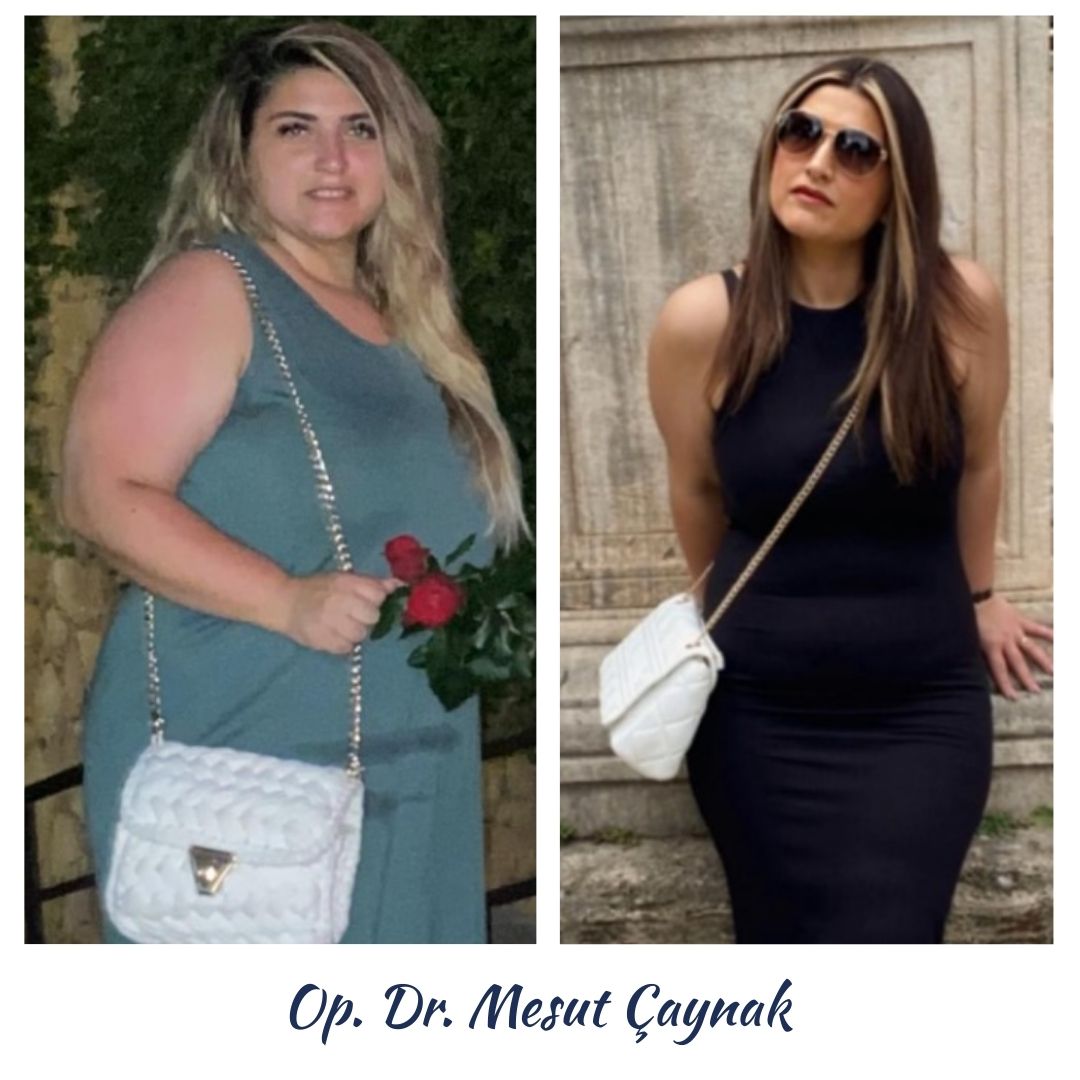
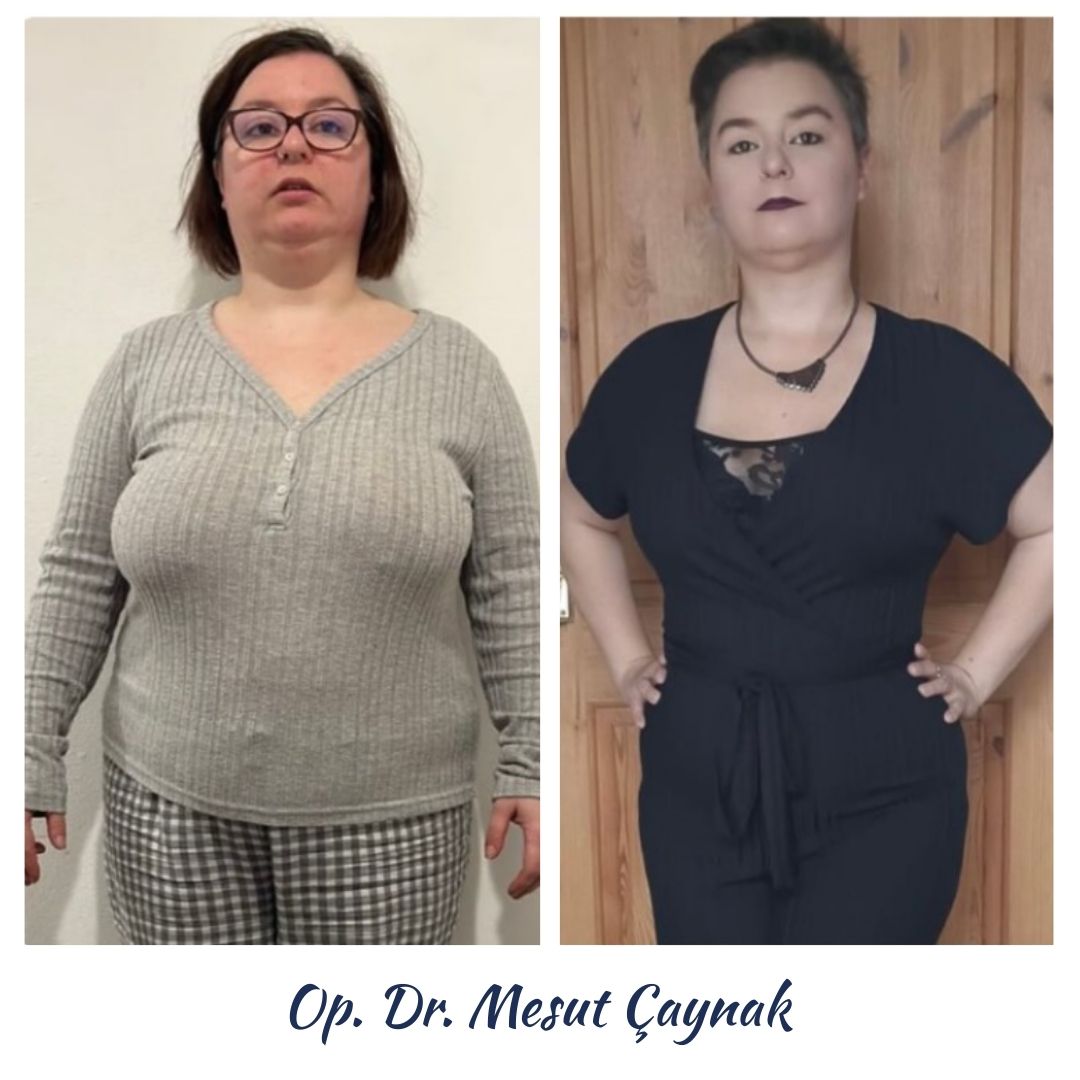
Revisional Bariatric Surgery is a specialized procedure designed for patients who have previously undergone a weight loss surgery but have not achieved or maintained the desired results, or who are experiencing complications. The process involves modifying or correcting a prior bariatric procedure to improve outcomes, restore weight loss, and address any related health issues. This may include altering the stomach size, adjusting connections in the digestive tract, or converting to a different bariatric technique.
At our clinic, every patient receives a personalized treatment plan that begins with a thorough medical evaluation. The goal is to ensure safety, tailor the procedure to the individual’s needs, and create a long term strategy for weight management. Our approach combines professional surgical expertise with ongoing support to promote lasting results.
Table of Contents
${message}
`;
}
app.innerHTML = html;
if(step===3){
let input = document.querySelector("#bmi-phone");
if(input){
window.intlTelInput(input, {
initialCountry: "auto",
utilsScript: "https://drcaynak.com/wp-content/plugins/bmi-bariatric-test/assets/js/utils.js"
});
}
}
}
window.next1 = function(){
let h=document.getElementById("height").value.trim();
let w=document.getElementById("weight").value.trim();
if(h===""||w===""){toast("Please fill all fields");return;}
formData.height=h; formData.weight=w;
step=2; render();
}
window.next2 = function(){
let a=document.getElementById("age").value.trim();
let g=document.getElementById("gender").value.trim();
if(a===""||g===""){toast("Please fill all fields");return;}
formData.age=a; formData.gender=g;
step=3; render();
}
window.next3 = function(){
let n=document.getElementById("name").value.trim();
let p=document.getElementById("bmi-phone").value.trim();
if(n===""||p===""){toast("Please fill all fields");return;}
if(!/^[0-9+]+$/.test(p)){toast("Phone must be numeric");return;}
formData.name=n; formData.phone=p;
step=4; render();
}
window.submitForm = function(consent){
formData.consent = consent;
let bmi = (formData.weight / ((formData.height/100)**2)).toFixed(1);
formData.bmi = bmi;
fetch("https://drcaynak.com/wp-admin/admin-ajax.php?action=bmi_save", {
method:"POST",
headers:{'Content-Type':'application/json'},
body: JSON.stringify(formData)
}).then(r=>r.json()).then(res=>{
app.innerHTML = "
Thank you! Your data has been submitted.
";
});
}
render();
});
At our clinic, every patient considering Revisional Bariatric Surgery begins with a thorough medical evaluation. The goal is to determine the reasons for insufficient results or complications, ensure safety, and design a personalized surgical plan tailored to the patient’s needs. Our approach combines advanced surgical expertise with comprehensive follow up care to support long term success.
If you have undergone a weight loss procedure but are struggling with weight regain, persistent health problems, or other complications, Revisional Bariatric Surgery may provide a clear path toward improvement. Our team is ready to review your case, explain the available options, and guide you through every step of the process.
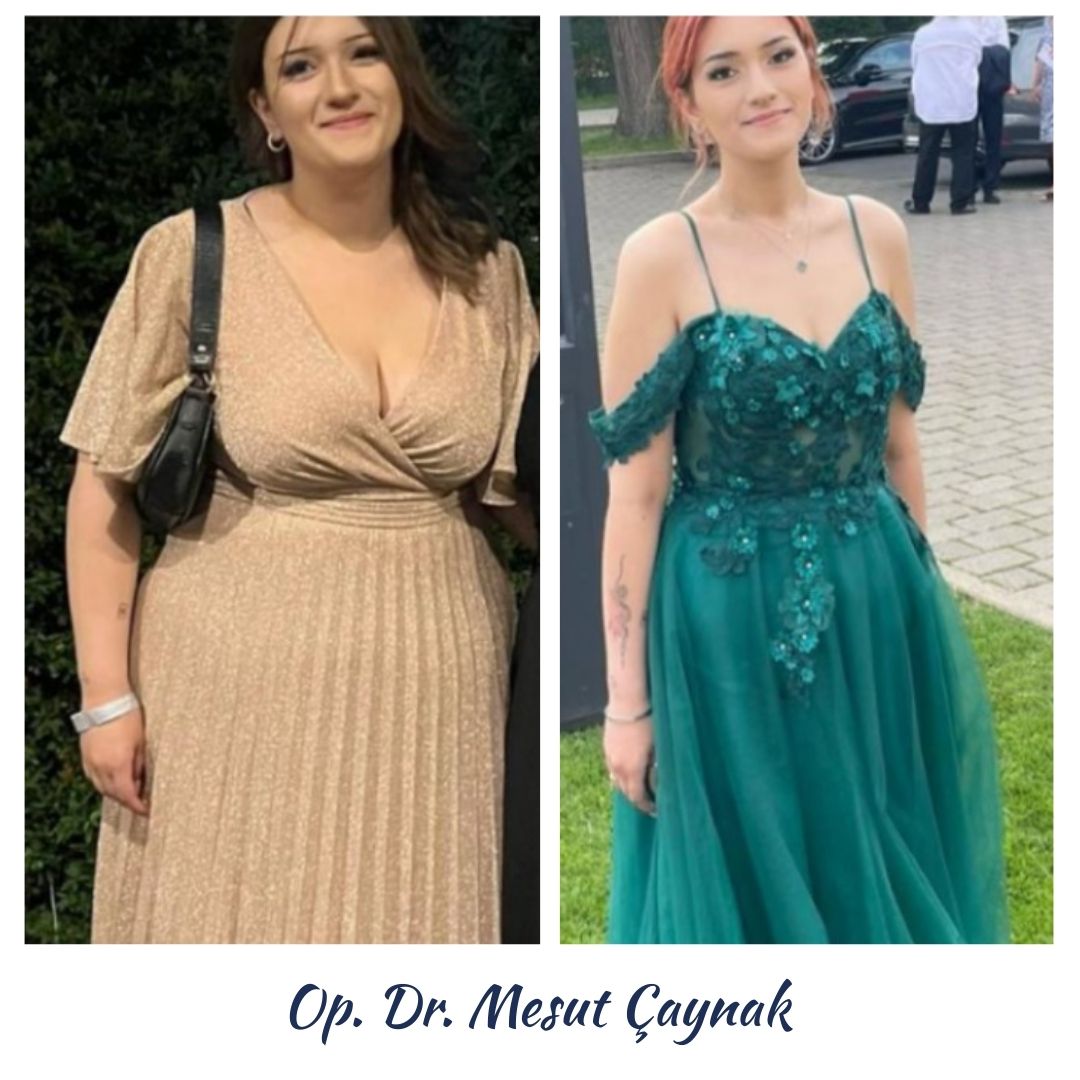
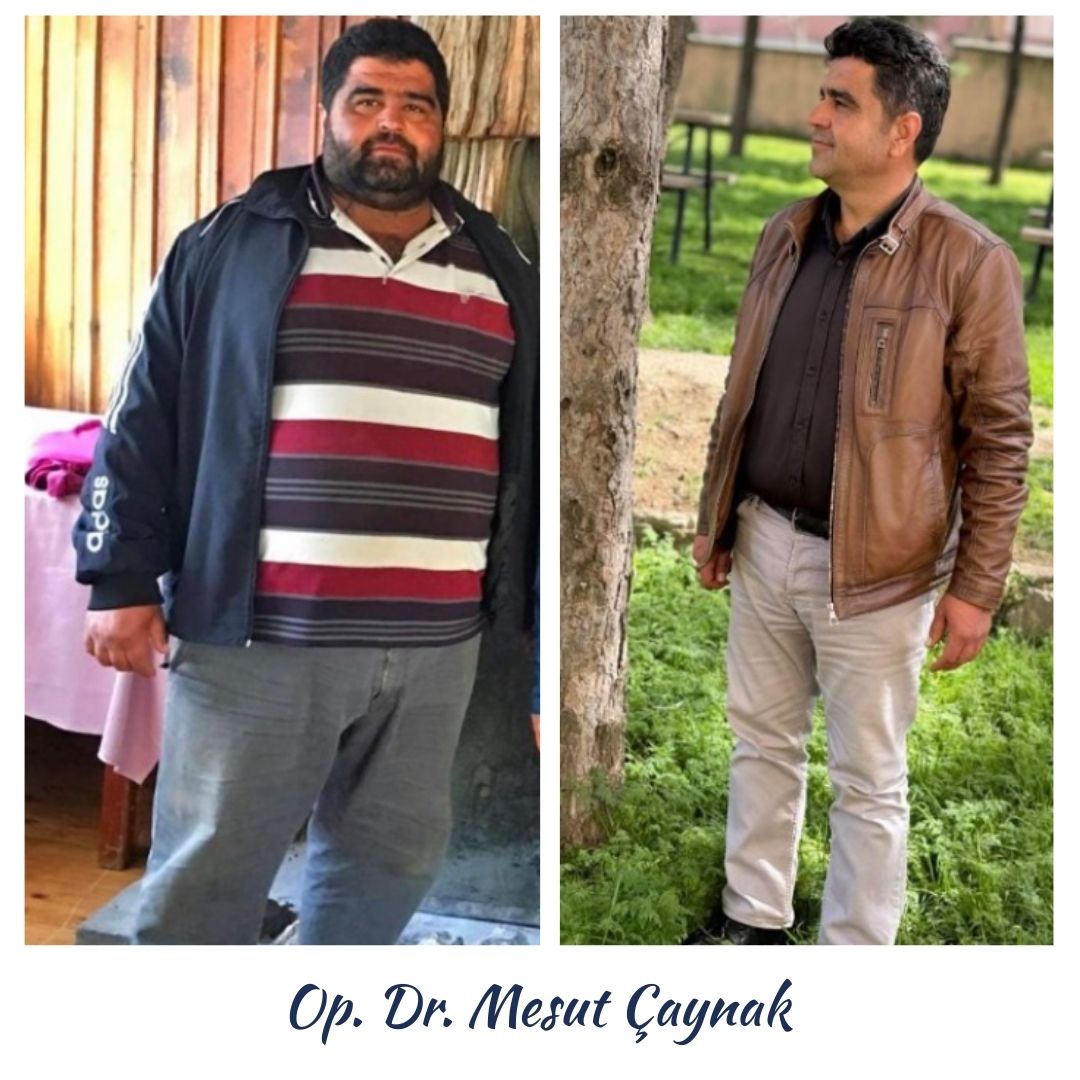
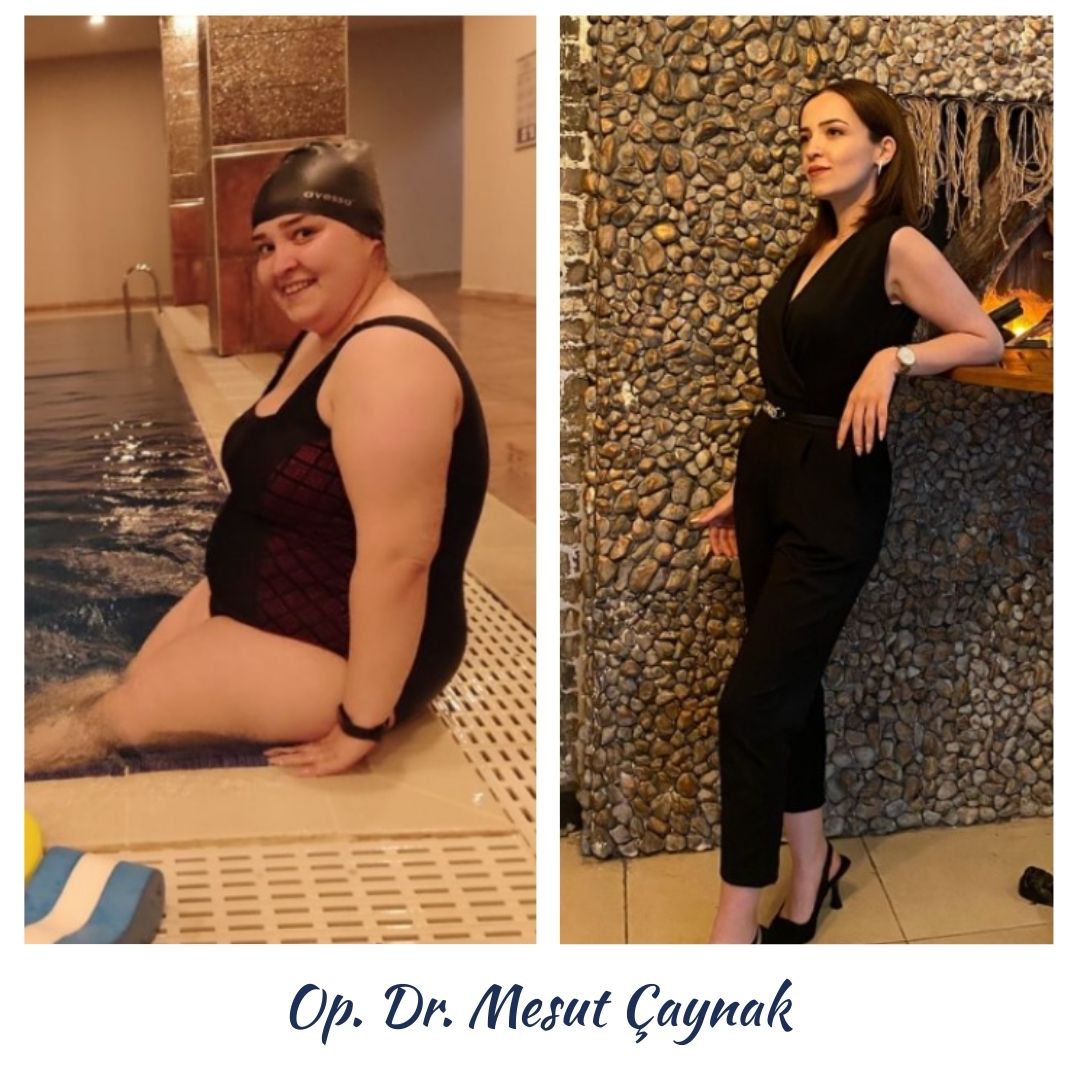
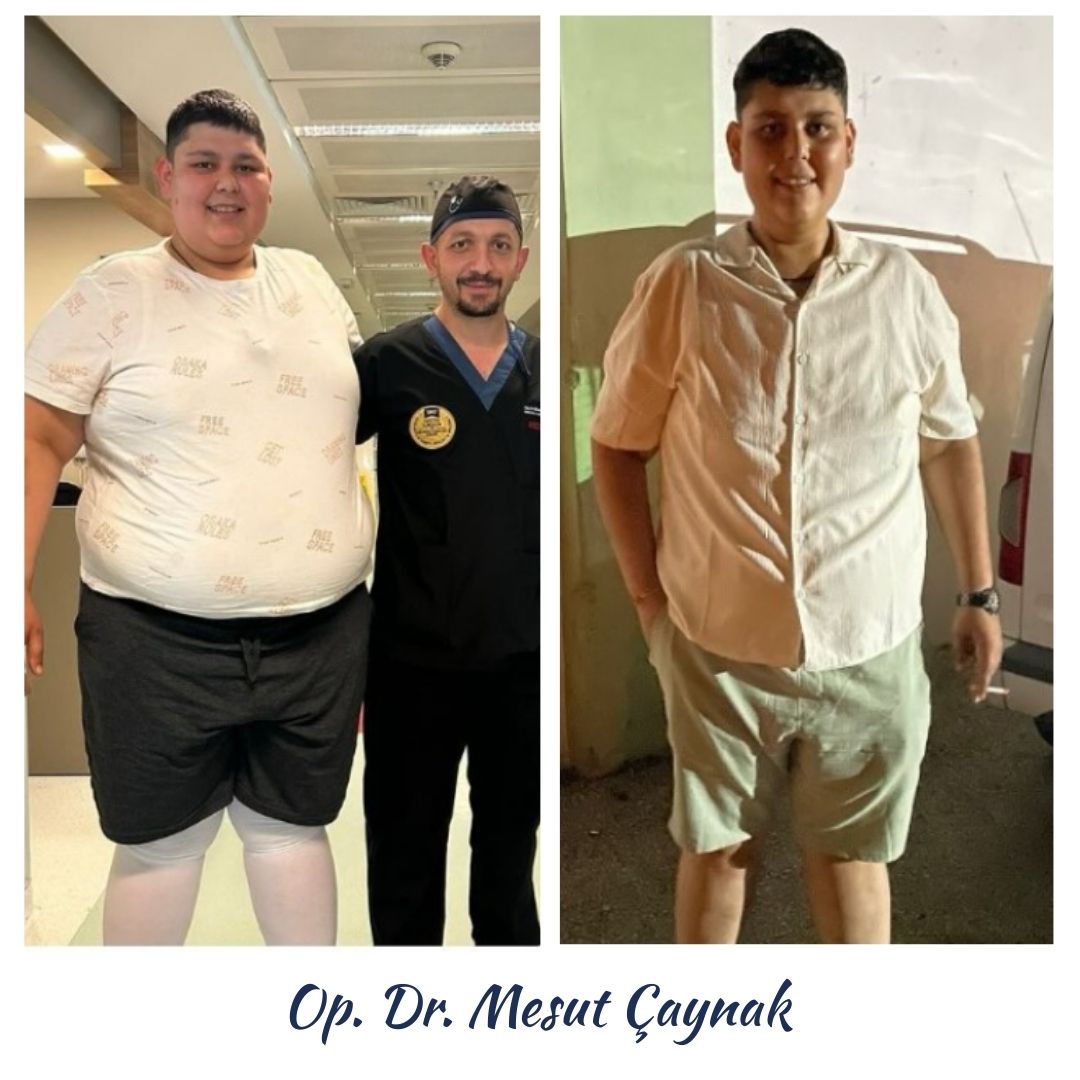
Before & After Bariatric Surgery
Who Should Consider Revisional Bariatric Surgery?
Revisional Bariatric Surgery is typically recommended for individuals who have previously had a bariatric procedure but have experienced inadequate weight loss, weight regain, or complications such as severe reflux, nutritional deficiencies, or anatomical issues. It may also be appropriate for patients whose original surgery is no longer functioning as intended.
Candidates should be committed to adopting long term lifestyle changes, including healthy eating habits and regular physical activity, to maximize the benefits of the revision. A comprehensive medical assessment is essential to determine the cause of the issue and ensure the procedure is both safe and beneficial. Revisional Bariatric Surgery is a corrective measure that, when combined with discipline and proper guidance, can lead to improved health and lasting results.
Your Path from Preparation to Recovery
Stage
What to Expect
Pre operative Assessment
Detailed evaluation of your previous bariatric surgery results, current health condition, and goals. Includes diagnostic tests and consultations to determine the best revision approach.
Surgical Planning
A personalized surgical plan is created based on your needs, whether it’s adjusting, converting, or repairing the previous bariatric procedure.
Revisional Surgery
Performed under general anesthesia using advanced techniques in a JCI accredited facility. Focuses on improving weight loss outcomes and addressing previous complications.
Post operative Follow up
Ongoing monitoring, nutritional guidance, and lifestyle support to help maintain results, prevent recurrence, and enhance long-term health.
Revisional bariatric surgery is a procedure performed to correct, enhance, or modify a previous weight loss surgery that did not achieve the desired outcomes or has led to complications. Patients may require revision surgery due to insufficient weight loss, weight regain, or issues like sleeve dilation, malabsorption, or anatomical complications. The procedure is more complex than primary bariatric surgery, requiring experienced surgical teams and careful preoperative assessment.
What Is Revisional Bariatric Surgery
Revisional bariatric surgery involves modifying a previous bariatric procedure such as gastric sleeve, gastric bypass, or adjustable gastric banding. The surgery may include converting one procedure to another, tightening a dilated stomach pouch, or addressing complications such as reflux, ulcers, or nutritional deficiencies. It aims to optimize weight loss and improve overall health outcomes.
What Is Considered A Revision Surgery
Any surgical intervention that modifies, corrects, or converts a prior bariatric procedure is considered a revision. This includes converting a sleeve to a bypass, adjusting a gastric band, or performing a secondary procedure to correct complications or enhance results. Revision surgeries require specialized surgical expertise due to the altered anatomy from the initial operation.
Why Would Someone Need A Revision
Patients may need a revision due to inadequate weight loss, weight regain, complications from the initial surgery, or new health issues such as severe reflux, nutrient deficiencies, or mechanical problems with the original procedure. Surgeons evaluate each patient individually to determine the best revision approach.
How Many Bariatric Revisions Can You Have
There is no strict limit to the number of revision surgeries a patient can undergo, but each additional procedure increases surgical complexity and risk. Surgeons generally aim to achieve maximum benefit with the least number of revisions, balancing safety and effectiveness.
Revisional Surgery Candidates And Eligibility
Determining eligibility for revisional bariatric surgery requires a thorough evaluation of the patient’s medical history, previous surgery outcomes, and current health status. Only patients who meet strict criteria are considered for revision to ensure safety and success.
What Qualifies You For Revision Surgery
Patients who experience insufficient weight loss, significant weight regain, or complications from the initial bariatric procedure may qualify for revision. Additional factors include persistent comorbidities, stomach dilation, or structural issues such as leaks, strictures, or band slippage. A detailed assessment by an experienced bariatric surgeon is necessary.
What Is The 30/30 Rule For Bariatric Surgery
The 30/30 rule is often used to assess patients for revision eligibility. It generally refers to having regained at least 30% of lost weight or maintaining less than 30% of excess weight loss over a significant period, indicating the initial procedure did not achieve sustainable results.
How Successful Is Bariatric Revision Surgery
Revisional bariatric surgery can be highly effective when performed in specialized centers. Success depends on the type of revision, patient adherence to dietary guidelines, and long term lifestyle changes. Patients often achieve significant additional weight loss and improvement in obesity related conditions.
How Much Weight Will I Lose With Revision Surgery
Weight loss after revision varies depending on the procedure and patient factors, but patients typically experience 40 to 60 percent of excess weight loss. Close adherence to diet, exercise, and supplementation is crucial for maximizing results.
What Happens 20 Years After Bariatric Surgery
Long term outcomes vary. Some patients maintain weight loss and improved health, while others may experience weight regain, nutritional deficiencies, or anatomical complications. Regular monitoring and timely intervention, including potential revisional surgery, can address these challenges.
Types And Procedures In Revisional Bariatric Surgery
Revisional bariatric surgery can take many forms depending on the patient’s previous procedure, anatomy, and weight loss goals. Understanding the available options helps patients make informed decisions.
What Are The Four Types Of Bariatric Surgery
The four main types include gastric sleeve, Roux en Y gastric bypass, mini gastric bypass, and duodenal switch. Revisional surgery may involve converting one procedure to another, adjusting restrictive devices, or correcting anatomical issues to optimize weight loss and overall health.
What Happens During A Gastric Sleeve Revision
During a sleeve revision, the surgeon may resize or tighten the stomach sleeve, convert it to a gastric bypass, or address complications such as leaks or severe reflux. The goal is to restore restriction, improve absorption, and achieve sustained weight loss.
How Much Is Revisional Bariatric Surgery
Costs vary depending on the type of revision, complexity of the procedure, surgeon experience, hospital facilities, and postoperative care. Transparent pricing and detailed consultation help patients understand financial considerations before surgery.
Safety And Considerations
Revisional bariatric surgery carries higher risk than primary procedures due to scar tissue, altered anatomy, and previous surgical modifications. Experienced bariatric surgeons carefully plan revisions to minimize complications and maximize outcomes.
Long Term Success Of Revisional Surgery
With proper follow up, adherence to dietary and lifestyle changes, and regular supplementation, patients can achieve substantial additional weight loss and improved metabolic health. Lifelong monitoring is essential to prevent nutritional deficiencies and maintain long term success.
Revisional Bariatric Surgery Benefits for Eligible Patients
For many, the benefits of Revisional Bariatric Surgery extend beyond renewed weight loss. Patients often experience relief from previous complications, improved digestion, enhanced mobility, and a reduction in obesity related health risks such as type 2 diabetes, high blood pressure, and sleep apnea.
What type of patients do you work with for Revisional Bariatric Surgery?
We assist patients who meet the medical criteria for Revisional Bariatric Surgery and are motivated to follow the required lifestyle changes after the procedure. Each case is evaluated individually for safety and effectiveness.
Is there a fee for an initial Revisional Bariatric Surgery consultation?
All financial details, including consultation fees, are discussed openly at the start, ensuring patients have complete clarity before moving forward.
Will you coordinate with my healthcare providers during Revisional Bariatric Surgery?
Yes, we work in close collaboration with your doctors, nutritionists, and other specialists to ensure a seamless and coordinated care process.
Do you provide tools to monitor progress after Revisional Bariatric Surgery?
We offer monitoring tools, personalized nutrition plans, and regular follow up appointments to help patients track their results and maintain long-term success.
Still Deciding?
Let’s Talk About Your Options
Whether you’re ready to start or just curious, our team is here to answer your questions. You can book an online consultation or simply reach out for guidance.
No pressure — filling out this form does not commit you to any treatment. It’s just the first step to explore what’s best for you.