
Gastric Balloon is one of the most discussed non-surgical weight management methods in modern bariatric medicine. Many people search for answers about how much body mass can be reduced and how sustainable the results are after the procedure. The popularity of Gastric Balloon treatments continues to grow because it offers a less invasive alternative for individuals struggling with obesity.
The essence of Gastric Balloon therapy lies in creating a sensation of early fullness by occupying space inside the stomach. This approach helps reduce calorie intake without altering digestive anatomy permanently. People who consider this method often wonder not only about kilograms lost but also about how their eating behavior may transform during and after treatment.
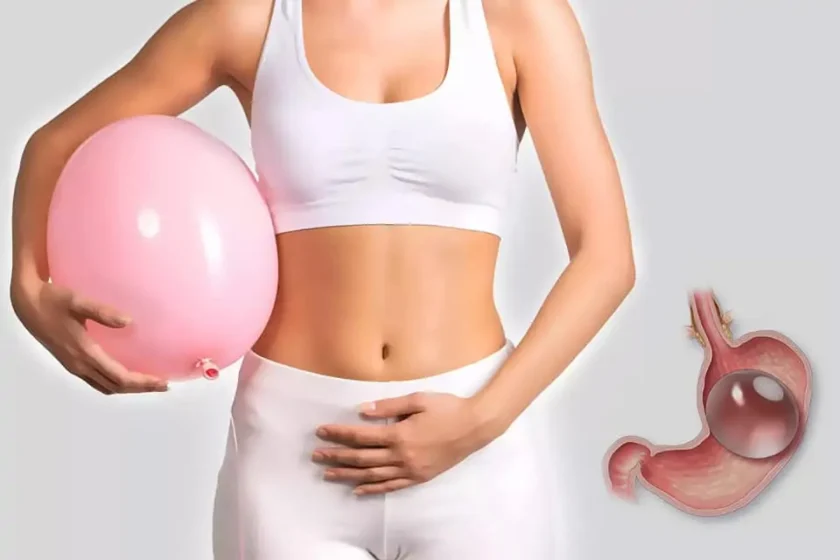
What is Gastric Balloon and How Does It Work?
The concept of Gastric Balloon is based on temporary gastric volume reduction using a medical balloon inserted into the stomach through endoscopic methods. The balloon is then filled with saline or air depending on the medical protocol. Once placed, it helps stimulate satiety receptors and reduces hunger signals.
Many patients describe the sensation created by Gastric Balloon as feeling comfortably full even after small meals. This physiological change allows individuals to adopt smaller portion sizes naturally rather than following strict dietary restrictions. The procedure does not involve permanent anatomical changes, which makes it attractive for people hesitant about surgical solutions.
From a metabolic perspective, Gastric Balloon supports weight reduction by modifying energy balance. When calorie intake decreases while physical activity remains stable or increases, fat tissue gradually decreases. However, the method is not a magic solution; behavioral adaptation is an essential component of success.
Another interesting aspect is psychological adaptation. People often develop new eating habits during the balloon period. The stomach learns to tolerate smaller volumes, and this learning process may continue after balloon removal if lifestyle discipline is maintained.
Gastric Balloon Weight Loss Results: How Much Weight Can You Lose?
One of the most frequently asked questions about Gastric Balloon therapy is the expected weight reduction outcome. Research observations suggest that individuals may lose a significant portion of excess body weight within the treatment period, although results vary depending on adherence to nutritional guidance.
On average, patients may lose approximately 10 to 25 percent of their excess weight during the active phase of Gastric Balloon usage. In practical terms, someone with 40 kilograms of excess weight might reduce between 4 and 10 kilograms or more. These numbers should be interpreted as statistical tendencies rather than guaranteed outcomes.
Weight reduction with Gastric Balloon is influenced by eating behavior changes. Individuals who limit high-sugar foods, carbonated beverages, and excessive snacking often achieve better body mass reduction. The balloon acts as a supportive mechanism rather than an independent fat-burning device.
Clinical observations show that early weight loss during the first two months is usually faster. This is because the body initially reacts strongly to caloric restriction. Later, weight loss tends to stabilize and proceed at a more moderate pace. The success of Gastric Balloon treatment is therefore closely linked with patient motivation.
Factors Affecting Gastric Balloon Success
Several biological and lifestyle variables influence the effectiveness of Gastric Balloon therapy. Body composition, hormonal regulation, metabolic rate, and psychological resilience are among the primary determinants.
Dietary compliance is one of the strongest predictors of outcome. Patients who consume protein-rich meals and control refined carbohydrate intake tend to achieve better results. Emotional eating patterns can sometimes weaken the efficiency of Gastric Balloon intervention.
Physical activity also plays a supportive role. Moderate exercise helps maintain muscle mass while accelerating fat metabolism. Individuals who combine movement routines with the Gastric Balloon process often report more stable long-term results.
Age and baseline metabolic health can also influence success. Younger patients may adapt more quickly to lifestyle changes, while individuals with metabolic disorders might require additional nutritional monitoring.
Timeline of Weight Loss After Gastric Balloon
Weight reduction following Gastric Balloon placement typically follows a predictable biological rhythm. The first 4 to 6 weeks usually represent the adaptation phase where the body adjusts to reduced gastric volume.
During the second and third months, fat loss tends to become more visible. Many patients observe changes in abdominal circumference and facial fullness during this period. The psychological satisfaction of visible improvement often reinforces healthy eating behavior.
By the fourth to sixth month, weight loss may slow as the body approaches metabolic equilibrium. This is normal and should not be interpreted as treatment failure. Instead, it reflects the body’s adaptive energy regulation mechanisms.
After balloon removal, maintaining results depends heavily on lifestyle continuation. Some studies suggest that without behavioral change, partial weight regain may occur. Therefore, the period while the balloon is inside the stomach is considered a training phase for long-term dietary discipline.
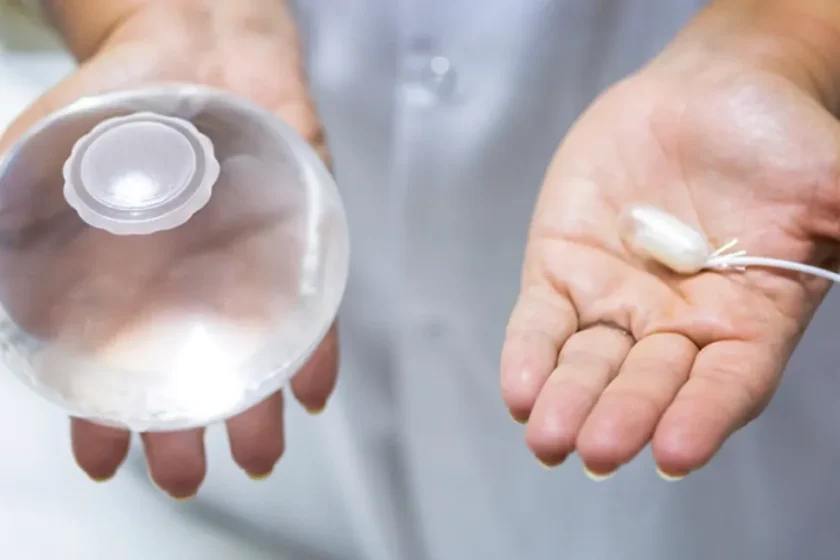
Advantages and Risks of Gastric Balloon Procedure
The popularity of Gastric Balloon treatment is largely associated with its minimally invasive nature. Unlike bariatric surgery, it does not involve permanent anatomical reconstruction.
Advantages include shorter recovery time, absence of large surgical wounds, and reversible application. Patients can usually return to daily life within a short period after the procedure. Appetite reduction is also achieved without aggressive pharmacological intervention.
However, side effects may occur in some individuals. Nausea, abdominal discomfort, and temporary digestive irregularities can be observed during the early adaptation stage. These symptoms usually decrease as the stomach adjusts to the balloon.
Rare complications include balloon deflation, migration, or intolerance to gastric pressure. Medical follow-up is therefore essential during the treatment period. Professional clinical monitoring ensures that the procedure remains safe and effective.
Scientific Statistics About Gastric Balloon Outcomes
Meta-analyses of obesity treatment methods show that Gastric Balloon therapy can significantly improve body mass index levels in selected patients. Studies indicate that quality of life scores often increase alongside weight reduction.
Some clinical datasets report that more than half of patients maintain part of their weight loss one year after treatment if lifestyle modifications are preserved. The psychological impact of visible weight reduction may also support motivation.
Another interesting statistical observation is related to eating behavior. Many participants develop reduced preference for high-sugar foods after undergoing Gastric Balloon therapy. This suggests that the procedure may influence neural reward pathways associated with eating satisfaction.
Despite promising data, the method is generally recommended for individuals who have not achieved desired results through diet and exercise alone. It is considered a transitional obesity management strategy rather than a definitive cure.
Gastric Balloon and Long-Term Lifestyle Transformation
The most valuable aspect of Gastric Balloon treatment is not only weight loss but behavioral restructuring. Patients often report increased awareness of portion control and nutritional quality.
Long-term success depends on integrating balanced nutrition with physical activity. The balloon creates a temporary biological environment where the brain and digestive system learn new eating signals.
After removal of the balloon, maintaining discipline becomes the primary challenge. Individuals who continue healthy eating habits generally preserve a greater portion of their weight reduction.
Healthcare specialists emphasize that Gastric Balloon should be viewed as a metabolic education tool rather than a standalone solution. When combined with lifestyle modification, its effectiveness can extend beyond the treatment period.
Gastric Balloon treatment represents a modern, reversible approach to weight management for people struggling with excess body mass. Average weight loss varies but may reach meaningful levels when the procedure is supported by dietary regulation and physical activity.
At Dr. Caynak, the procedure is planned individually by evaluating metabolic profile and lifestyle expectations. The success of the therapy is closely linked to patient cooperation and long-term behavioral change.
While the method is not a universal solution for obesity, it offers a scientifically supported pathway for initiating weight reduction. The combination of physiological fullness sensation and nutritional adaptation provides a practical starting point for many patients.