
Many people considering weight loss surgery wonder which procedure is the safest bariatric surgery. Safety in this context means a lower risk of complications, sustainable weight loss results, and long term improvement in overall health. While all bariatric procedures carry some level of risk, modern techniques and medical standards have made them far safer compared to past decades. Among the available options, gastric sleeve, gastric bypass, and adjustable gastric band are the most widely discussed. Understanding their safety profiles, benefits, and limitations helps patients make an informed decision.
What defines safety in bariatric surgery
The term safest bariatric surgery is not about one procedure being completely risk free. It refers to the balance between effectiveness and the lowest possible complication rate. Factors influencing safety include
- Surgical complexity and time under anesthesia
- Short term risks such as bleeding, infection, or leakage
- Long term risks like nutrient deficiencies or chronic complications
- Patient factors including age, body mass index, and existing health conditions
- Surgeon expertise and clinic standards
A surgery considered safe for one patient might not be the same for another, which is why individualized medical assessment is essential.
Overview of common bariatric procedures
Gastric sleeve surgery
Gastric sleeve surgery (sleeve gastrectomy) involves removing around 70 to 80 percent of the stomach, leaving a sleeve shaped pouch. It has become the most popular bariatric option worldwide because it offers
- A simpler technique compared to gastric bypass
- Shorter operation time and fewer surgical steps
- Lower complication risk than bypass procedures
- Effective and sustainable weight loss
- Fewer long term nutritional deficiencies
For many patients, this makes the gastric sleeve the safest bariatric surgery choice.
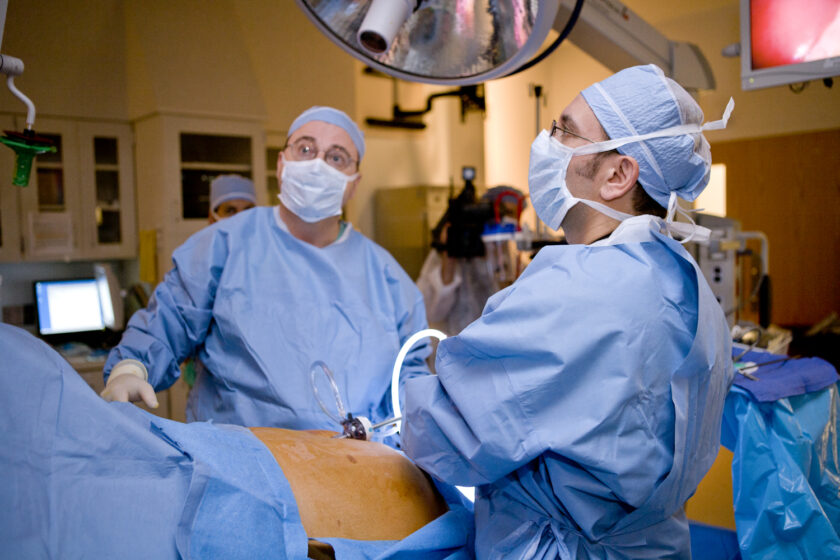
Gastric bypass surgery
Gastric bypass surgery (Roux en Y) creates a small stomach pouch and reroutes the small intestine. It provides excellent weight loss results and can improve conditions like type 2 diabetes rapidly. However, it is a more complex surgery, carrying slightly higher risk of complications such as internal hernias, ulcers, or vitamin deficiencies. For patients with severe obesity or uncontrolled diabetes, it can still be the best medical option despite higher complexity.
Adjustable gastric band
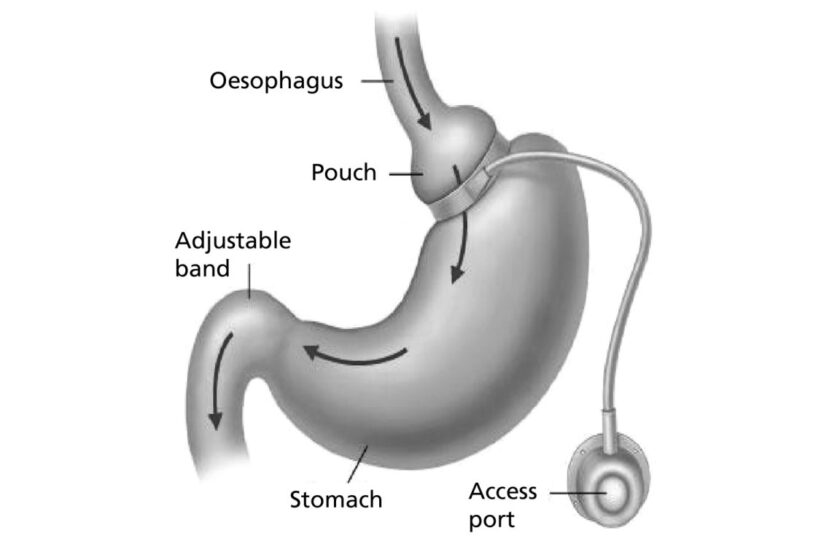
The gastric band was once popular due to its minimally invasive nature. It involves placing a band around the stomach to reduce intake. While it is technically safe during surgery, long term results have been less favorable. Many patients experience complications such as band slippage, erosion, or inadequate weight loss. Because of this, it is less frequently recommended today.
Mini gastric bypass
The mini gastric bypass is a variation that reduces complexity compared to traditional bypass while still providing strong weight loss effects. Early studies show lower complication rates, but since it is relatively new, long term safety data is still limited compared to the sleeve or classic bypass.
Comparative safety of bariatric surgeries
Below is a simplified comparison table summarizing the safety aspects of the most common procedures
| Surgery Type | Short Term Risk | Long Term Risk | Weight Loss Effectiveness | Nutritional Deficiency Risk |
|---|---|---|---|---|
| Gastric Sleeve | Low | Low | High | Moderate |
| Gastric Bypass | Moderate | Moderate | Very High | High |
| Adjustable Gastric Band | Very Low | High | Low to Moderate | Low |
| Mini Gastric Bypass | Moderate | Not fully known | Very High | High |
This comparison suggests that gastric sleeve surgery has the most favorable balance between effectiveness and safety, which is why it is often labeled the safest bariatric surgery.
Why gastric sleeve is often considered safest
Several reasons explain why the gastric sleeve stands out
- It does not involve intestinal rerouting, reducing risks of malabsorption
- Operation time is shorter, lowering anesthesia related risks
- Recovery is generally faster
- Complication rates such as leakage or strictures are relatively low
- Long term outcomes are supported by strong clinical evidence
Patients typically experience significant weight loss, improvement in conditions like hypertension and diabetes, and a better overall quality of life with lower complication burden.
Factors that influence safety for each patient
The safest bariatric surgery varies depending on individual circumstances. Key considerations include
- Body mass index and level of obesity
- Existing health conditions such as diabetes, heart disease, or sleep apnea
- History of abdominal surgeries
- Age and general fitness
- Ability to commit to lifestyle changes and nutritional supplementation
For instance, a younger patient with moderate obesity might be a great candidate for gastric sleeve, while someone with advanced type 2 diabetes might benefit more from gastric bypass despite higher complexity.
Global safety standards in bariatric surgery
Modern bariatric surgery follows strict international safety guidelines. Accredited clinics perform surgeries under advanced monitoring, using laparoscopic or robotic techniques to minimize invasiveness. Mortality rates for gastric sleeve and gastric bypass are now comparable to routine gallbladder removal, often cited as less than 0.3 percent in high quality centers. This reflects significant progress in patient safety.
Cost and accessibility of safe bariatric surgery
Another factor is cost effectiveness. In the United States or Western Europe, bariatric surgery can cost between 12,000 and 25,000 USD. In contrast, Turkey has become a leading destination, offering the same internationally accredited standards at significantly lower costs, often between 3,000 and 6,000 USD. Many patients choose Turkey not only for affordability but also for access to highly experienced surgeons who perform thousands of cases annually. This high volume further contributes to safety outcomes.
Key advantages of choosing Turkey
- Experienced surgeons with international training
- Accredited hospitals with advanced equipment
- Comprehensive packages covering surgery, accommodation, and aftercare
- Lower costs without sacrificing quality
- High success rates supported by medical tourism growth
For patients seeking the safest bariatric surgery option with reliable aftercare, Turkey is increasingly recognized as a trusted choice.
Conclusion
The answer to the question what is the safest bariatric surgery depends on patient health, goals, and medical evaluation. Among the available options, gastric sleeve surgery offers the best combination of safety, effectiveness, and long term results for most individuals. While gastric bypass and other methods may be more suitable in specific cases, the sleeve remains the most balanced approach overall. With modern techniques, accredited hospitals, and experienced surgeons, patients can undergo these procedures with confidence. For those considering treatment abroad, Turkey provides a unique opportunity to access the safest bariatric surgery at world class standards with affordable costs and trusted medical expertise.