
Becoming a parent is one of life’s most transformative experiences. Yet, for many women who have undergone bariatric surgery, the question of Pregnancy After Bariatric Surgery opens a new chapter filled with curiosity, excitement, and a bit of uncertainty. How does rapid weight loss affect fertility? Is it safe to conceive after such a major procedure? What precautions should be taken to ensure both mother and baby thrive? In this guide, Dr. Çaynak explores the fascinating connection between bariatric surgery and pregnancy blending medical insights with a human touch.
Understanding the Connection Between Weight Loss Surgery and Fertility
Bariatric surgery encompassing gastric sleeve, gastric bypass, and other weight loss procedures doesn’t just change the body; it rewires metabolic and hormonal pathways that influence fertility. For many women struggling with obesity-related infertility, Pregnancy After Bariatric Surgery becomes more achievable than before.
Weight loss often restores hormonal balance, improves menstrual regularity, and boosts ovulation rates. According to various studies, patients who once faced challenges due to polycystic ovary syndrome (PCOS) or insulin resistance find new opportunities for conception after surgery. However, this newfound fertility also means pregnancies can occur sooner than expected sometimes before the body has fully adjusted to its new nutritional equilibrium.
It’s crucial for women to discuss family planning early, ideally before undergoing surgery, to coordinate a safe timeline for conception. Most experts recommend waiting at least 12–18 months post-surgery before trying to conceive, ensuring that the body’s nutrient stores and weight stabilize first.
| Recommended Waiting Period | Reason |
| 12–18 months | Allows for weight stabilization |
| 18–24 months | Supports nutrient balance and hormonal recovery |
| Case-by-case | Depends on patient health and surgical type |
In summary, Pregnancy After Bariatric Surgery is not only possible but can often be safer and more successful provided it’s carefully timed and managed with medical guidance.
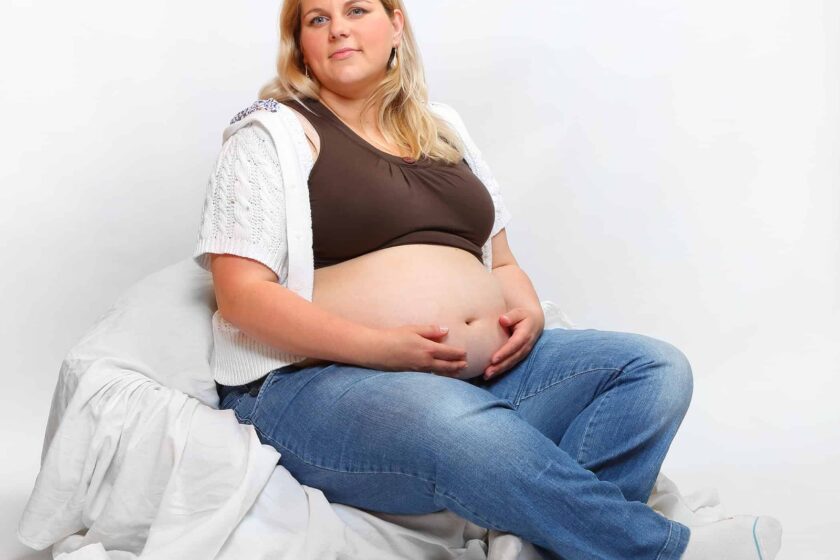
Nutritional Challenges During Pregnancy After Bariatric Surgery
While the surgery sets the stage for a healthier pregnancy, it also introduces unique nutritional considerations. Women who have undergone bariatric surgery may struggle with nutrient absorption, particularly of iron, calcium, vitamin B12, and folate all essential for fetal development.
During Pregnancy After Bariatric Surgery , these deficiencies can pose risks if not monitored. Symptoms like fatigue, dizziness, or anemia may arise from low iron or B12 levels. To counter this, many healthcare professionals recommend specialized prenatal supplements tailored for post-bariatric patients.
Maintaining a balanced diet with adequate protein and hydration becomes more than just a lifestyle choice it’s a medical necessity. Instead of three large meals, smaller and more frequent meals help ensure steady nutrient intake without overwhelming the reduced stomach capacity. Collaboration between the bariatric team, obstetrician, and a nutritionist is key to ensuring both mother and baby receive optimal care.
Hormonal Shifts and Their Role in Pregnancy After Bariatric Surgery
The human body is a masterpiece of hormonal orchestration, and weight loss surgery significantly alters that symphony. After bariatric surgery, hormonal patterns change dramatically levels of estrogen, progesterone, and insulin often normalize, while the hunger-regulating hormone ghrelin decreases. This hormonal reset plays a powerful role in fertility restoration, making Pregnancy After Bariatric Surgery more attainable.
However, these same shifts require careful observation during pregnancy. Rapid hormonal changes can affect mood, appetite, and even the way nutrients are absorbed. The interplay between weight loss and hormonal adaptation means that every post-surgery pregnancy is a uniquely personal experience. Some women report increased energy and emotional balance, while others face challenges such as fluctuating blood sugar or nausea.
To navigate this transition smoothly, close collaboration between endocrinologists and obstetricians is essential. Hormonal monitoring especially in the first trimester can help prevent complications and ensure that both mother and baby stay healthy throughout gestation.
Potential Risks and How to Manage Them
While the benefits of Pregnancy After Bariatric Surgery are compelling, it’s equally important to acknowledge potential risks. Nutritional deficiencies, dehydration, and small bowel obstructions are among the most common postoperative concerns. Additionally, due to restricted stomach capacity, pregnant women may experience intensified morning sickness or dumping syndrome a condition where food moves too quickly into the small intestine.
Another potential challenge is gestational diabetes. Interestingly, the risk of developing it is lower after bariatric surgery compared to pregnancies in women with untreated obesity. Yet, because traditional glucose tolerance tests may not be suitable post-surgery, alternative screening methods are often required.
Key Preventive Strategies for a Healthy Pregnancy After Bariatric Surgery:
- Schedule regular prenatal visits and nutritional blood tests.
- Take bariatric-specific prenatal vitamins daily.
- Maintain hydration with small, frequent sips of water.
- Eat protein-rich, nutrient-dense meals in smaller portions.
- Avoid sugary foods to prevent dumping syndrome.
By addressing these challenges proactively, women can significantly improve outcomes for both themselves and their babies.

Emotional and Psychological Aspects of Post-Surgery Pregnancy
Beyond the physical transformation, Pregnancy After Bariatric Surgery can trigger a wave of emotional and psychological changes. Many women describe a renewed sense of confidence and empowerment after achieving weight loss, followed by the joy of impending motherhood. However, this emotional journey is not without its complexities.
Body image perception may fluctuate as pregnancy weight gain feels emotionally challenging after years of focusing on weight loss. Anxiety about nutritional intake or fear of surgical complications can also surface. These emotional dynamics underline the importance of mental health support throughout the pregnancy process.
Group therapy sessions, peer support from other post-bariatric mothers, and guidance from psychologists familiar with bariatric care can make a tremendous difference. Emotional well-being directly influences hormonal stability, sleep quality, and even the baby’s development making psychological health an integral part of prenatal care.
Best Practices for a Healthy Pregnancy After Bariatric Surgery
For women planning or experiencing Pregnancy After Bariatric Surgery , preparation and mindfulness are key. The journey to motherhood after weight loss surgery requires a thoughtful approach to ensure both mother and baby thrive.
Here are evidence-informed best practices that support a healthy and balanced pregnancy:
- Preconception Counseling: Before trying to conceive, consult with your bariatric surgeon and obstetrician. They will assess nutrient levels and overall readiness for pregnancy.
- Customized Nutritional Plan: Focus on a diet rich in lean proteins, whole grains, and leafy greens. Your body’s absorption may differ post-surgery, so personalized nutrition plans are essential.
- Consistent Monitoring: Regular blood tests and ultrasound evaluations help track fetal growth and maternal health.
- Emotional Preparedness: Engage in therapy or mindfulness practices to manage body image changes and emotional stress.
- Physical Activity: Light exercises like walking, prenatal yoga, or swimming can boost circulation and mood as long as they’re approved by your doctor.
These strategies, coupled with a supportive healthcare team, create a foundation for safe and fulfilling Pregnancy After Bariatric Surgery experiences. Every pregnancy is unique, and small, informed decisions make a profound difference.
Postpartum Health and Long-Term Considerations
The journey doesn’t end at childbirth in fact, the postpartum period introduces a new set of challenges and rewards. After Pregnancy After Bariatric Surgery , women often experience faster postpartum recovery, lower risks of hypertension, and improved metabolic function. However, maintaining long-term health requires ongoing commitment.
Breastfeeding can be both beneficial and complex. While it promotes bonding and supports the baby’s immunity, nutritional needs increase even further. Vitamin and mineral supplementation remains essential during lactation to prevent deficiencies. It’s advisable to maintain close communication with a bariatric nutritionist during this stage.
Emotionally, the postpartum phase can also bring mixed feelings pride, relief, but sometimes anxiety about maintaining weight or adapting to new routines. Recognizing these shifts and seeking professional support when needed ensures that the transition to motherhood is both joyful and sustainable.
A long-term perspective matters: regular follow-ups, balanced nutrition, and mental health care form the pillars of sustained wellness after Pregnancy After Bariatric Surgery.