
Gastric Sleeve vs Gastric Bypass are two of the most common bariatric surgeries for people struggling with severe obesity. Both can lead to significant and lasting weight loss, but they work in different ways, with unique surgical approaches, recovery periods, and long-term effects. Understanding how each procedure affects metabolism, appetite, and lifestyle can help individuals choose the option that fits their health goals and daily routines. Over the years, patients have found that the choice between these surgeries often comes down to balancing effectiveness, complexity, and personal preferences.
How the Gastric Sleeve and Gastric Bypass Work
At the core of the Gastric Sleeve vs Gastric Bypass debate lies their distinct surgical mechanics. Both aim to reduce calorie intake and alter metabolic processes, but they do so through different anatomical changes.
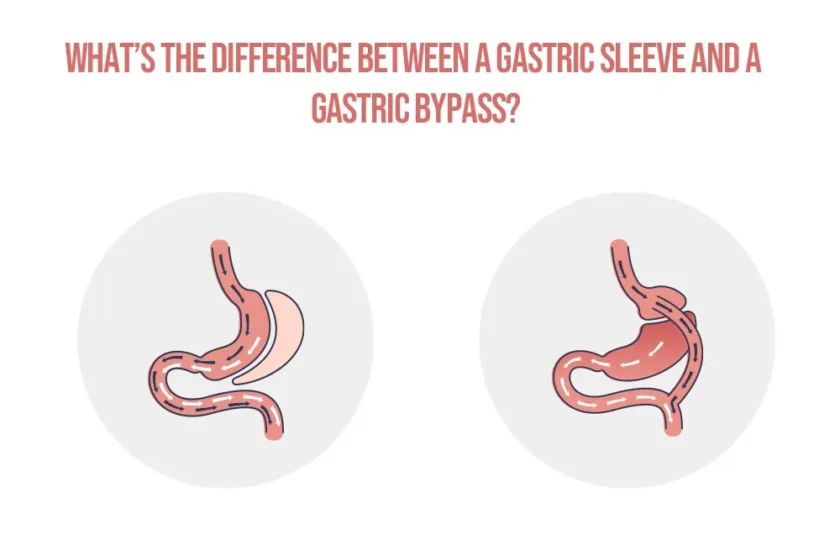
The Gastric Sleeve (Sleeve Gastrectomy) involves removing about 75–80% of the stomach, leaving behind a small, tube shaped pouch resembling a banana. This smaller stomach limits how much food can be eaten while also influencing hunger regulating hormones such as ghrelin.
In contrast, the Gastric Bypass (Roux en Y) procedure not only creates a small stomach pouch but also reroutes the small intestine to connect to this pouch, effectively bypassing a portion of the digestive tract. This dual mechanism reduces both calorie absorption and appetite stimulation.
| Key Difference | Gastric Sleeve | Gastric Bypass |
| Stomach Reduction | 75–80% removed | Small pouch created |
| Intestinal Bypass | No | Yes |
| Hormonal Impact | High | Very High |
| Nutrient Absorption | Normal | Reduced |
| Procedure Complexity | Moderate | High |
Both surgeries are performed laparoscopically, meaning smaller incisions and shorter recovery times compared to open surgeries. However, the complexity of Gastric Bypass often results in a longer operation and hospital stay.
Weight Loss Results: Comparing Gastric Sleeve vs Gastric Bypass
One of the most common questions patients ask is which procedure produces greater and faster results. When looking at Gastric Sleeve vs Gastric Bypass, both are remarkably effective, but research highlights subtle distinctions in timing and sustainability.
Studies indicate that Gastric Bypass patients tend to experience slightly more rapid weight loss in the first 12–18 months, often losing 60–80% of their excess body weight. Meanwhile, Gastric Sleeve patients typically achieve 55–70% reduction within a similar timeframe. Over time, these differences narrow, with both procedures showing comparable long term maintenance rates after 3–5 years.
However, what’s most interesting is how metabolism adapts. Gastric Bypass alters gut hormones like GLP 1 and PYY more profoundly, potentially offering better remission rates for obesity related conditions such as type 2 diabetes. Gastric Sleeve, though slightly simpler, still delivers impressive metabolic benefits without as drastic a digestive reroute.
Ultimately, the “best” procedure depends not only on numbers on the scale but also on individual health goals, pre existing conditions, and lifestyle adaptability a key consideration that Dr. Çaynak emphasizes in all consultations.
Recovery and Lifestyle After Gastric Sleeve vs Gastric Bypass
Recovery is a crucial factor when weighing Gastric Sleeve vs Gastric Bypass options. Both procedures require patients to make significant lifestyle changes, especially in the first months post surgery.
With Gastric Sleeve, recovery tends to be faster due to the simpler surgical process. Most patients return to daily activities within 2–4 weeks. Gastric Bypass, on the other hand, may extend recovery slightly because of intestinal rerouting and a higher risk of nutrient deficiencies.
A phased diet is essential for both surgeries starting with clear liquids, then pureed foods, and eventually transitioning to soft and solid meals. Nutritional supplements such as vitamin B12, calcium, and iron often become a lifelong commitment, particularly for bypass patients.
In both cases, exercise and mindful eating play critical roles in maintaining results. The surgeries act as powerful tools, but lasting success comes from behavioral changes something Dr. Çaynak’s comprehensive aftercare programs focus on.
Long Term Health Benefits of Gastric Sleeve vs Gastric Bypass
When analyzing the Gastric Sleeve vs Gastric Bypass debate, one cannot overlook their long term impact on health. Both procedures go far beyond weight loss they often transform metabolic health, hormonal balance, and even emotional well being.
Numerous clinical studies show that both surgeries can significantly improve or even resolve obesity related conditions such as type 2 diabetes, hypertension, obstructive sleep apnea, and high cholesterol. Gastric Bypass tends to show faster remission rates for diabetes because it influences the hormonal feedback loops between the stomach, intestines, and pancreas.
Gastric Sleeve, while slightly less aggressive, still offers remarkable benefits. It helps regulate blood sugar levels, reduce inflammatory markers, and improve heart function over time. For many patients, this more straightforward procedure provides a balance between effectiveness and lower complication risks.
Long term data also show sustained improvements in mental health and quality of life after both surgeries. Patients report higher self esteem, reduced depression symptoms, and enhanced mobility all contributing to better social and psychological outcomes.
Potential Risks and Complications
Every surgical intervention carries some degree of risk, and the Gastric Sleeve vs Gastric Bypass comparison is no exception. While both are generally safe when performed by experienced surgeons like Dr. Çaynak, understanding potential complications is crucial for making an informed choice.
Gastric Bypass carries a slightly higher risk profile due to its complexity. Potential complications may include nutrient deficiencies (iron, calcium, vitamin B12), dumping syndrome (rapid gastric emptying), and marginal ulcers. Because part of the small intestine is bypassed, the absorption of essential nutrients can be limited.
Gastric Sleeve, on the other hand, presents risks such as staple line leaks, acid reflux, and vitamin deficiencies though these are less frequent with modern surgical techniques. The procedure does not involve intestinal rerouting, which simplifies postoperative management.
| Risk Type | Gastric Sleeve | Gastric Bypass |
| Leak or Infection | Moderate | Moderate to High |
| Nutrient Deficiency | Mild | More Common |
| Reflux | More Likely | Less Likely |
| Dumping Syndrome | Rare | Common |
| Surgery Duration | Shorter | Longer |
Despite these potential risks, the majority of patients experience smooth recoveries and life changing outcomes when closely followed by medical professionals. Regular follow ups, balanced nutrition, and compliance with post surgery guidelines significantly minimize these complications.
Cost Comparison and Accessibility
The Gastric Sleeve vs Gastric Bypass decision often includes financial and accessibility considerations. Costs can vary widely depending on location, hospital, and surgical expertise.
Generally, Gastric Sleeve is more affordable because it is technically simpler and takes less time to perform. Gastric Bypass, being more complex, involves a longer hospital stay and greater surgical resources, which can increase total costs.
However, when viewed from a long term perspective, both procedures can offer exceptional value. By reducing medical expenses associated with obesity including medications, hospitalizations, and chronic disease management these surgeries often pay for themselves within a few years.
Patients should always ensure that their surgeon and hospital are accredited and experienced in bariatric procedures. This not only enhances safety but also improves success rates, regardless of the type of surgery chosen.
Psychological and Lifestyle Adjustments
A successful outcome from either Gastric Sleeve vs Gastric Bypass surgery extends far beyond the operating room. Patients must prepare mentally and emotionally for a major shift in daily habits and self perception.
Adapting to smaller meal sizes, managing food cravings, and addressing emotional eating patterns become essential parts of the post surgery journey. Some individuals may experience a “honeymoon phase” of rapid weight loss, followed by a plateau. Psychological support, such as counseling or group therapy, can help maintain motivation and realistic expectations.
Furthermore, the body undergoes hormonal and metabolic changes that can influence mood and energy levels. A balanced approach including adequate sleep, hydration, and regular exercise helps stabilize these fluctuations. Dr. Çaynak’s multidisciplinary aftercare teams often include nutritionists, psychologists, and fitness specialists to guide patients through this process.
Who Is the Ideal Candidate for Gastric Sleeve vs Gastric Bypass
Deciding between Gastric Sleeve vs Gastric Bypass starts with understanding who benefits most from each procedure. While both are designed for individuals with severe obesity, certain medical conditions or lifestyle factors may make one option more suitable than the other.
Gastric Sleeve is often recommended for patients who:
- Prefer a less complex surgery with faster recovery
- Have a moderate body mass index (BMI) and fewer obesity related complications
- Are concerned about long term nutrient malabsorption
- Want significant weight loss without major dietary restrictions
Gastric Bypass may be more appropriate for patients who:
- Have a higher BMI or severe obesity related conditions like type 2 diabetes
- Require rapid metabolic improvement
- Can commit to strict lifelong supplementation and follow up care
- Are comfortable with a slightly longer recovery period
Ultimately, a personalized evaluation by an experienced bariatric surgeon, such as Dr. Çaynak, is essential. Factors like age, medical history, lifestyle, and even personal preferences all influence the ideal surgical choice.
Decision Making: Gastric Sleeve vs Gastric Bypass
Choosing between Gastric Sleeve vs Gastric Bypass requires a careful balance of science, lifestyle considerations, and long term goals. Here are key points to weigh:
- Surgical Complexity: Sleeve is simpler; Bypass is more complex.
- Weight Loss Goals: Bypass may offer slightly faster results initially, Sleeve is effective long term.
- Medical Conditions: Diabetes and reflux issues can influence which surgery is more beneficial.
- Nutritional Requirements: Bypass requires stricter lifelong supplementation.
- Recovery Time: Sleeve often allows quicker return to normal activities.
Creating a side by side checklist of goals, expectations, and potential risks can clarify the decision process. For many patients, understanding both the physical and lifestyle implications is just as important as looking at the numbers on a scale.
The Future of Bariatric Surgery
The field of bariatric surgery continues to evolve, with innovations aimed at improving safety, recovery, and long term outcomes. Emerging techniques include:
- Minimally invasive robotic surgeries for increased precision
- Endoscopic sleeve procedures that reduce recovery time
- Personalized metabolic surgeries tailored to hormonal and genetic profiles
Research into the Gastric Sleeve vs Gastric Bypass debate continues to shed light on long term benefits, including improvements in metabolic syndrome, cardiovascular health, and quality of life. Surgeons are increasingly integrating data driven approaches to customize procedures based on each patient’s unique anatomy and health profile.
Making an Informed Choice
In the end, the comparison of Gastric Sleeve vs Gastric Bypass is not about declaring one procedure universally superior. Both surgeries provide life changing opportunities for individuals struggling with obesity, but the optimal choice depends on personal health goals, medical conditions, and lifestyle readiness.
Gastric Sleeve offers a less complex, highly effective solution with quicker recovery, while Gastric Bypass provides potentially faster metabolic improvements and greater initial weight loss. Careful consultation with an experienced surgeon like Dr. Çaynak, alongside thorough evaluation and personalized planning, ensures the best possible outcomes.
By weighing medical facts, recovery expectations, and long term lifestyle changes, patients can make confident, informed decisions turning the promise of bariatric surgery into sustainable, life enhancing results.