
The Gastric Balloon is a minimally invasive procedure that has gained significant attention in recent years as an effective tool for weight management. Unlike surgical methods, it provides a temporary, non-permanent solution that can help individuals reduce their appetite and portion sizes while supporting lifestyle changes.

What is a Gastric Balloon?
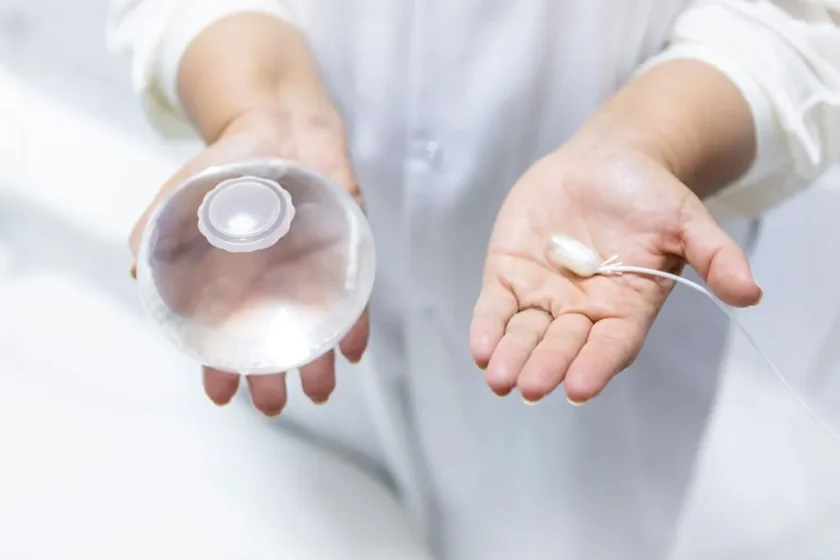
A Gastric Balloon is a soft, expandable device placed into the stomach to occupy space and create a feeling of fullness. This sensation can help reduce food intake without significant surgical intervention. Typically made from silicone or other biocompatible materials, it is filled with either saline solution or air after placement.
Key points about the Gastric Balloon:
- Non-surgical and reversible
- Temporary, usually 6–12 months
- Helps support lifestyle and dietary changes
- Reduces calorie intake by physically limiting stomach volume
Research studies have shown that patients can achieve a weight loss of 10–15% of total body weight when combined with proper diet and exercise. The Gastric Balloon has become a popular alternative for those who do not qualify for bariatric surgery or prefer a less invasive option.
Preparing for the Gastric Balloon Procedure
Proper preparation is crucial for a safe and successful Gastric Balloon placement. Patients undergo a thorough evaluation, including:
- Medical Assessment: Blood tests, ECG, and sometimes an endoscopic examination to assess stomach health.
- Dietary Planning: Pre-procedure diets help shrink the liver and reduce complications during placement.
- Lifestyle Counseling: Understanding dietary changes, portion control, and behavioral modifications is essential.
During this phase, physicians evaluate the patient’s medical history, existing gastrointestinal conditions, and readiness to comply with post-procedure instructions. Ensuring psychological readiness is equally important, as maintaining weight loss requires a commitment to lifestyle changes.
The Gastric Balloon Placement Procedure
The placement of a Gastric Balloon is usually performed under mild sedation, making it less intimidating than traditional surgery. The procedure generally follows these steps:
- Endoscopic Insertion: A thin endoscope is guided through the mouth into the stomach.
- Balloon Introduction: The deflated balloon is carefully inserted via the endoscope.
- Filling the Balloon: The balloon is filled with sterile saline or air until the desired volume is reached, creating a sense of fullness.
- Final Check: Endoscopic confirmation ensures proper placement and inflation.
The entire process typically takes 20–30 minutes, and most patients return home the same day. Despite being minimally invasive, patients may experience mild nausea or discomfort for the first few days as the stomach adapts to the balloon.
Expected Initial Side Effects
Immediately after Gastric Balloon placement, it’s normal to experience temporary side effects as the stomach adjusts:
- Nausea and vomiting
- Abdominal cramping
- Mild reflux or heartburn
- Loss of appetite in the first 48–72 hours
Most side effects are self-limiting and improve as the digestive system adapts. Physicians may prescribe anti-nausea medications and recommend a gradual transition from liquid to solid foods. The early adaptation phase is critical for establishing long-term dietary habits.
Dietary Guidelines During Gastric Balloon Use
Adhering to dietary recommendations is crucial for maximizing the benefits of a Gastric Balloon. Diets are usually introduced in stages:
- Liquid Diet (First 3 Days): Broths, protein shakes, and water to allow the stomach to adjust.
- Soft Diet (Days 4–14): Yogurts, soups, and mashed foods.
- Solid Foods (After 2 Weeks): Gradual reintroduction of normal foods with portion control.
A high-protein, low-sugar diet is generally recommended to support satiety and reduce cravings. Regular consultations with dietitians help monitor progress and ensure balanced nutrition.
Recovery After Gastric Balloon Placement
Recovery after a Gastric Balloon procedure is typically quicker than traditional surgical interventions. Most patients return to daily activities within a few days, but the body needs time to adjust to the balloon’s presence in the stomach.
Recovery highlights:
- First week: Mild nausea, bloating, or cramping is common. Hydration is crucial to prevent dehydration due to reduced food intake.
- Weeks 2–4: Gradual increase in food intake with emphasis on portion control. Patients often notice a decrease in appetite and a faster sense of fullness.
- Long-term adaptation: The balloon is usually in place for 6–12 months. During this time, the focus is on forming sustainable eating habits and lifestyle changes.
Research shows that patients who strictly adhere to dietary and behavioral guidance during recovery experience better weight loss outcomes compared to those who rely solely on the device.
Potential Complications of Gastric Balloon
Although the Gastric Balloon is minimally invasive, some risks exist. Awareness and prompt reporting of symptoms are essential:
- Gastrointestinal discomfort: Persistent nausea, vomiting, or abdominal pain may indicate improper balloon positioning.
- Balloon deflation: Rare but can lead to migration into the intestines, requiring removal.
- Reflux or heartburn: Common in the first weeks; can be managed with diet adjustments or medications.
- Ulcers or gastritis: Extremely rare but possible, often due to irritation from the balloon surface.
Healthcare providers usually monitor patients closely, and most complications can be managed conservatively without surgery.
Weight Loss Expectations with Gastric Balloon
The effectiveness of a Gastric Balloon is influenced by adherence to lifestyle changes. Clinical studies suggest:
- Average weight loss: 10–15% of initial body weight over 6 months.
- Satiety improvement: Balloon induces early fullness, reducing meal portions.
- Behavior modification: Helps establish long-term dietary habits.
A key factor in achieving results is consistent follow-up with healthcare providers and structured nutritional counseling. Patients who engage actively in behavioral coaching and regular exercise often outperform average weight loss expectations.
Long-Term Lifestyle After Gastric Balloon
While the Gastric Balloon is temporary, it serves as a catalyst for long-term changes:
- Portion control: Learning to eat smaller meals is easier when guided by the balloon’s effect.
- Balanced nutrition: Emphasis on proteins, fibers, and healthy fats.
- Exercise integration: Daily activity complements the reduction in caloric intake.
Maintaining weight loss requires commitment even after balloon removal. Some patients opt for repeat balloon placement or explore other minimally invasive weight management strategies under medical guidance.
Gastric Balloon vs Other Non-Surgical Weight Loss Methods
The Gastric Balloon offers unique benefits compared to alternatives like appetite suppressants or lifestyle programs:
| Method | Duration | Average Weight Loss | Key Advantage | Limitations |
| Gastric Balloon | 6–12 mo | 10–15% | Immediate satiety, non-surgical | Temporary, requires dietary discipline |
| Prescription medications | Ongoing | 5–10% | Systemic effect | Side effects, adherence-dependent |
| Lifestyle programs | Ongoing | 3–7% | Non-invasive | Slower, requires high discipline |
The table highlights why many patients choose Gastric Balloon for short-term intensive support combined with behavioral changes.
Frequently Asked Considerations
Even though we avoid traditional FAQ sections, patients often wonder:
- Can the balloon cause permanent damage? Rarely, most effects are temporary and reversible.
- Is the procedure painful? Mild discomfort is expected; sedation minimizes procedural pain.
- Will weight regain after removal? Without continued lifestyle adjustments, weight regain is possible, emphasizing the need for diet and exercise adherence.
Scientific literature indicates that the success of the Gastric Balloon is maximized when it acts as a behavioral training tool, not as a standalone solution.
The Gastric Balloon is a scientifically supported, minimally invasive tool designed to assist with weight management. It allows patients to experience early satiety, reduce portion sizes, and implement lifestyle changes under medical supervision. While it is not a permanent solution, its role in promoting sustainable eating habits and behavioral modifications is well-documented.
Through proper preparation, adherence to dietary guidance, and ongoing follow-up, patients can safely navigate the procedure, recovery, and long-term maintenance. By combining the Gastric Balloon with lifestyle adjustments, the journey toward healthier weight management becomes structured, supported, and effective.