
Undergoing a Gastric Sleeve surgery is more than just a procedure; it marks the beginning of a transformative journey. One year after surgery, patients often find themselves asking: how much can I eat now, and how does my body adapt? Understanding life post-Gastric Sleeve requires exploring changes in stomach capacity, nutrient absorption, and daily habits that influence long-term results.
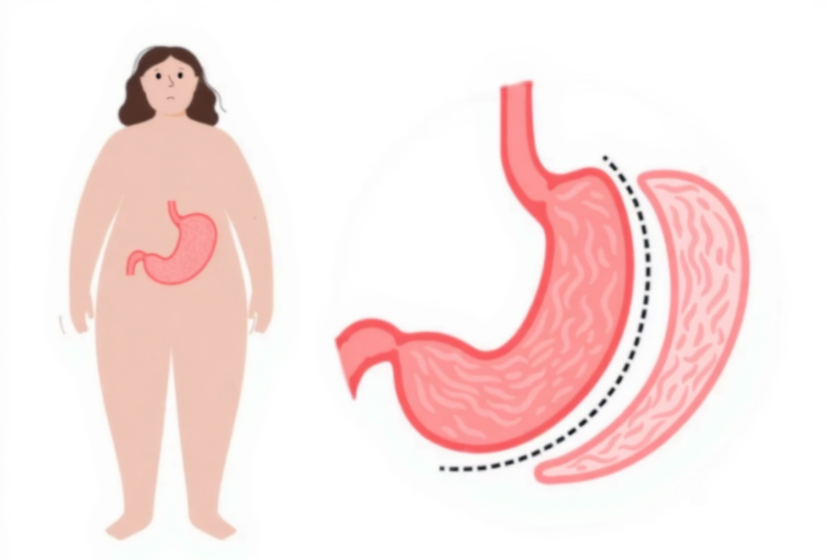
Understanding the Changes in Stomach Capacity After Gastric Sleeve
The Gastric Sleeve procedure removes a significant portion of the stomach, creating a narrow “sleeve” that limits food intake. Initially, the stomach can only hold small amounts, often around 50–100 ml. Over time, this capacity gradually increases, but rarely returns to pre-surgery volume.
Patients should expect that after one year, the stomach can comfortably handle portions roughly equivalent to a cup of food per meal. However, individual variation is significant. Studies show stomach elasticity and tissue adaptation differ among patients, which explains why some can tolerate slightly larger meals while others remain highly restricted.
Portion Sizes and Meal Frequency Post-Gastric Sleeve
One of the most practical questions is portioning meals. Typically, patients divide their daily intake into 3–5 small meals. For example:
| Meal | Approximate Volume (ml) | Notes |
| Breakfast | 150–200 | High-protein, low-carb preferred |
| Lunch | 200 | Focus on vegetables and lean protein |
| Snack | 50–100 | Avoid sugary items |
| Dinner | 200 | Light, protein-focused meal |
This approach ensures steady energy and prevents stretching the reduced stomach. Interestingly, research shows that spacing meals also reduces the likelihood of postprandial discomfort, a common concern after Gastric Sleeve surgery.
Nutritional Adaptations One Year After Gastric Sleeve
One year post-surgery, the body adapts metabolically. The Gastric Sleeve not only restricts quantity but also influences hormones such as ghrelin, which controls hunger. Patients often notice decreased appetite, making it easier to maintain weight loss.
Protein becomes the cornerstone of nutrition, while processed sugars and high-fat meals are tolerated poorly. Many nutritionists recommend a minimum of 60–80 grams of protein daily, spread across meals. Vitamins and minerals, especially vitamin B12, iron, and calcium, are closely monitored since absorption may remain limited even after a year.
Snacking and Liquid Calories After Gastric Sleeve
Liquid calories can quietly undermine Gastric Sleeve results. Drinks like sodas, smoothies with hidden sugars, and alcohol bypass the feeling of fullness, leading to increased caloric intake. One year after surgery, many patients successfully navigate these temptations by prioritizing water, herbal teas, and protein shakes.
Snacking, however, can be incorporated carefully. Small portions of nuts, Greek yogurt, or boiled eggs are generally well-tolerated and help maintain stable blood sugar levels. Research suggests that mindful snacking correlates with improved satiety and less overeating during main meals.
Exercise and Stomach Adaptation Post-Gastric Sleeve
Physical activity influences appetite regulation and metabolism. Studies indicate that moderate exercise, including walking, resistance training, or swimming, complements the effects of Gastric Sleeve by preserving muscle mass and enhancing satiety signals.
One year after surgery, patients often report being able to eat slightly more food during meals without discomfort, partly due to increased gastric emptying efficiency and improved digestive function from regular exercise.
Long-Term Eating Patterns After Gastric Sleeve
One year post-Gastric Sleeve, many patients notice that their eating patterns have stabilized. The body gradually adjusts to smaller portions, and meals become more structured. Observational studies suggest that consistent meal timing and balanced macronutrient distribution are key to sustaining weight loss and avoiding discomfort.
Patients are encouraged to continue eating slowly, chewing thoroughly, and stopping when feeling full. Mindful eating prevents overeating and reduces the risk of stretching the stomach. Protein-rich foods remain central, while carbohydrates and fats are consumed in controlled quantities.
Psychological Adaptation to Food and Appetite
The psychological impact of Gastric Sleeve is significant. After a year, many patients experience a shift in food preferences, often gravitating toward healthier options. Changes in appetite hormones and learned behavior play roles in this adaptation.
Behavioral strategies, such as keeping a food diary or practicing mindful eating, have been shown to reinforce healthy patterns. Patients who integrate these habits report higher satisfaction with their new lifestyle and less anxiety around food.
Common Challenges One Year After Gastric Sleeve
Even after a year, challenges can arise. Some patients experience:
- Occasional nausea if meals are too large
- Sensitivity to high-sugar or fatty foods
- Emotional eating triggers
Understanding these challenges helps in maintaining long-term success. Gradual portion increases are possible but must be approached cautiously to avoid setbacks.
Monitoring Health and Nutritional Status
Routine check-ups are essential to ensure optimal results post-Gastric Sleeve. Blood tests to monitor vitamin B12, iron, calcium, and protein levels help prevent deficiencies. Maintaining hydration, protein intake, and regular medical follow-ups ensures that the body adapts healthily to dietary changes.
Integrating Lifestyle Changes for Sustainable Results
Long-term success after Gastric Sleeve is not solely about how much you can eat—it also involves lifestyle integration. Regular physical activity, mindful eating, and consistent follow-up with healthcare professionals create a sustainable framework for health and weight management.
Additionally, developing cooking skills, meal planning, and understanding nutrient density help patients maximize the benefits of their smaller stomach capacity. This holistic approach reinforces both physical and psychological adaptation.
Key Takeaways on Eating 1 Year After Gastric Sleeve
- Stomach capacity gradually increases but remains limited
- Protein-focused meals are critical
- Portion control and mindful eating prevent discomfort and weight regain
- Hydration and nutrient monitoring support overall health
- Lifestyle habits such as exercise and psychological strategies enhance long-term success
In summary, life one year after Gastric Sleeve is characterized by careful adaptation, structured nutrition, and lifestyle alignment. While the stomach can accommodate more than in the early months, maintaining moderation and mindful habits ensures lasting results.