
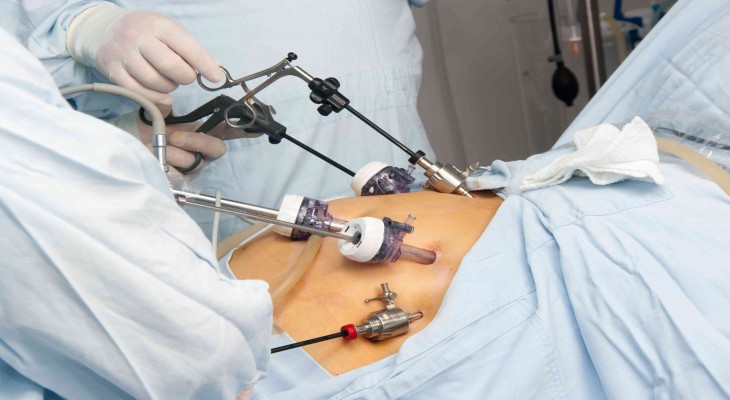
Bariatric surgery is a transformative procedure, offering significant weight loss and improvements in metabolic health. However, it also comes with nutritional challenges, as altered digestion and absorption can affect the body’s ability to obtain essential vitamins and minerals. Understanding the best supplements after bariatric surgery is crucial to maintaining overall health, preventing deficiencies, and supporting long-term wellness.
Importance of Supplements After Bariatric Surgery
After bariatric surgery, patients often experience reduced stomach size and changes in nutrient absorption. This makes supplementation a cornerstone of post-surgery care. Research in clinical nutrition indicates that inadequate supplementation can lead to deficiencies in vitamins such as B12, D, and minerals like iron and calcium.
Studies show that nearly 40% of post-bariatric patients report at least one nutrient deficiency within the first two years, highlighting the importance of a structured supplementation plan. Additionally, consistent intake supports energy levels, bone density, and overall metabolic function, which can significantly impact recovery and long-term results.
Multivitamins and Their Role
A comprehensive multivitamin is the foundation for nutritional support after bariatric surgery. Multivitamins tailored to bariatric patients often contain higher doses of B-complex vitamins, vitamin D, calcium, and trace minerals.
Clinical observations indicate that patients who adhere to daily multivitamin supplementation maintain better blood levels of essential nutrients. Furthermore, multivitamins act synergistically with other targeted supplements, creating a safety net that helps prevent both acute and chronic deficiencies.
Vitamin B12 Supplementation
Vitamin B12 deficiency is one of the most common concerns following bariatric surgery, particularly after procedures like gastric bypass. B12 is essential for red blood cell formation, neurological health, and energy metabolism.
Studies recommend supplementation via oral, sublingual, or intramuscular routes, depending on the type of surgery and absorption capacity. Regular monitoring of B12 levels ensures early intervention, preventing complications such as anemia, fatigue, or neuropathy.
Calcium and Vitamin D for Bone Health
Bone health is particularly vulnerable after bariatric surgery. Reduced absorption of calcium and vitamin D can accelerate bone loss and increase the risk of osteoporosis.
Clinical research emphasizes that supplementation with calcium citrate and vitamin D3 is preferable, as they are better absorbed than other forms post-surgery. Adequate intake supports skeletal integrity, muscular function, and overall metabolic stability. Healthcare providers often tailor doses based on blood test results to optimize bone protection.
Iron and Anemia Prevention
Iron deficiency is another common challenge after bariatric surgery, especially in menstruating women. Symptoms can include fatigue, dizziness, and decreased cognitive function.
Iron supplementation should be carefully monitored, as excessive doses can cause gastrointestinal distress. Combining iron with vitamin C enhances absorption, and timing intake separately from calcium-containing products further improves efficacy. Long-term follow-up is critical to maintain optimal hematologic health.
Protein Supplements After Bariatric Surgery
Adequate protein intake is critical after bariatric surgery to support muscle maintenance, healing, and satiety. Many patients struggle to meet daily protein requirements through food alone due to reduced stomach capacity.
Protein powders, shakes, or high-protein snacks can bridge this gap. Whey protein is commonly recommended for its high biological value and rapid absorption. Observational studies indicate that patients who maintain sufficient protein intake experience better lean mass retention and improved metabolic outcomes. It is generally advised to consume 60–80 grams of protein daily, but individual needs may vary depending on body size and activity level.
Omega-3 Fatty Acids
Omega-3 fatty acids, including EPA and DHA, offer anti-inflammatory benefits and support cardiovascular health. Post-bariatric patients may have limited intake of fatty fish, making supplementation beneficial.
Clinical research shows that omega-3 supplementation can improve triglyceride levels, reduce systemic inflammation, and support cognitive health. Liquid or capsule forms are commonly used, and doses typically range from 1–2 grams per day, depending on medical guidance and dietary intake.
Probiotics and Gut Health
Gut health is crucial after bariatric surgery, as altered digestion can affect the microbiome. Probiotic supplements containing Lactobacillus and Bifidobacterium strains help maintain microbial balance, enhance digestion, and potentially reduce gastrointestinal discomfort.
Studies suggest that probiotics may also improve nutrient absorption and modulate immune function. Patients often report fewer issues with bloating or irregular bowel movements when probiotics are incorporated into a structured supplementation routine.
Additional Vitamins and Minerals
Other essential nutrients often supplemented include zinc, magnesium, and fat-soluble vitamins A, E, and K. Zinc supports wound healing and immune function, while magnesium contributes to nerve and muscle health. Fat-soluble vitamins require careful monitoring, as absorption may be impaired depending on the type of bariatric procedure.
A table summarizing common post-bariatric supplements, their roles, and suggested daily intakes is helpful for practical guidance:
| Supplement | Role | Typical Dosage* |
| Multivitamin | Broad nutrient coverage | 1 daily (tailored for bariatric) |
| Vitamin B12 | Energy, nerve function | 500–1000 mcg oral/sub-lingual |
| Calcium + Vitamin D | Bone health | 1200–1500 mg Ca + 3000 IU D3 |
| Iron | Prevent anemia | 45–65 mg daily |
| Protein | Muscle maintenance, healing | 60–80 g/day |
| Omega-3 | Heart, anti-inflammatory | 1–2 g/day |
| Probiotics | Gut health | 1–10 billion CFU/day |
| Zinc | Immunity, healing | 8–11 mg/day |
| Magnesium | Muscle, nerve function | 300–400 mg/day |
*Dosages may vary based on medical advice and individual needs.
Practical Tips for Supplement Adherence
Maintaining a consistent supplementation routine after bariatric surgery is often challenging. Scheduling doses with meals, setting reminders, and tracking intake can improve adherence.
It’s also important to periodically review blood work with a healthcare professional to adjust dosages based on nutrient levels. Combining supplements with a balanced diet and hydration strategy ensures maximum benefit and minimizes the risk of deficiencies.
Common Mistakes With Supplements After Bariatric Surgery
Many patients make errors in their supplementation routine after bariatric surgery, which can compromise nutrient absorption and health outcomes. Skipping doses, taking supplements irregularly, or combining them incorrectly with medications are frequent issues.
For instance, taking calcium simultaneously with iron supplements can reduce absorption of both minerals. Similarly, excessive reliance on multivitamins without targeted supplementation may leave gaps in nutrients like vitamin D or B12. Research in post-bariatric care emphasizes structured supplementation schedules and regular blood monitoring to prevent deficiencies and optimize recovery.
Monitoring and Blood Tests
Routine blood tests are essential after bariatric surgery to track nutrient levels and adjust supplementation. Common parameters include hemoglobin, ferritin, vitamin B12, vitamin D, calcium, and magnesium.
Longitudinal studies show that patients who undergo regular monitoring have fewer complications related to anemia, bone loss, or neuropathy. Monitoring also allows for personalized supplement adjustments, ensuring patients maintain optimal nutrient status over time.
Lifestyle Factors Supporting Supplement Effectiveness
While supplements are vital, lifestyle choices amplify their benefits. Adequate hydration supports nutrient transport and absorption, while consistent meal timing can optimize metabolic function.
Physical activity, particularly resistance training, not only preserves muscle mass but may improve overall nutrient utilization. Additionally, avoiding smoking and limiting alcohol intake reduces nutrient depletion, which is especially important for post-bariatric patients. Lifestyle integration ensures that supplements complement overall health rather than functioning in isolation.

Psychological Considerations and Adherence
Adapting to a lifelong supplementation routine can be mentally challenging. Post-bariatric patients may feel overwhelmed by the number of pills or worry about missing doses. Behavioral psychology research indicates that creating habits, using reminders, and framing supplementation as an empowering self-care practice improves adherence.
Support groups and educational programs can further reduce anxiety and reinforce the importance of consistent nutrient intake, fostering long-term commitment to health.
Future Trends in Post-Bariatric Supplementation
Emerging research focuses on personalized supplementation based on genetic profiles, microbiome composition, and specific absorption capabilities. Customized formulas may optimize nutrient delivery and minimize side effects, offering more effective alternatives to standard supplements.
Additionally, innovations in slow-release capsules, liquid vitamins, and chewable forms aim to improve absorption and patient compliance. These developments indicate a shift toward highly individualized, science-driven supplementation strategies for post-bariatric patients.
Final Thoughts on Supplements After Bariatric Surgery
Choosing the right supplements after bariatric surgery requires a combination of evidence-based selection, consistent routine, lifestyle integration, and professional oversight. Protein, vitamins, minerals, omega-3s, and probiotics form the core of a post-operative plan.
Patients who follow structured strategies, monitor their nutrient status, and adjust based on scientific guidance report improved health outcomes, better energy, and enhanced quality of life. While no approach guarantees perfection, a thoughtful, holistic supplementation regimen ensures the best possible support for long-term recovery and well-being.