
Bariatric surgery has revolutionized weight loss for millions, offering significant health benefits and lifestyle changes. Yet, one of the lesser-discussed aspects of bariatric surgery is its impact on alcohol sensitivity. Postoperative patients often notice that even small amounts of alcohol can produce stronger effects, a phenomenon that raises both curiosity and caution.
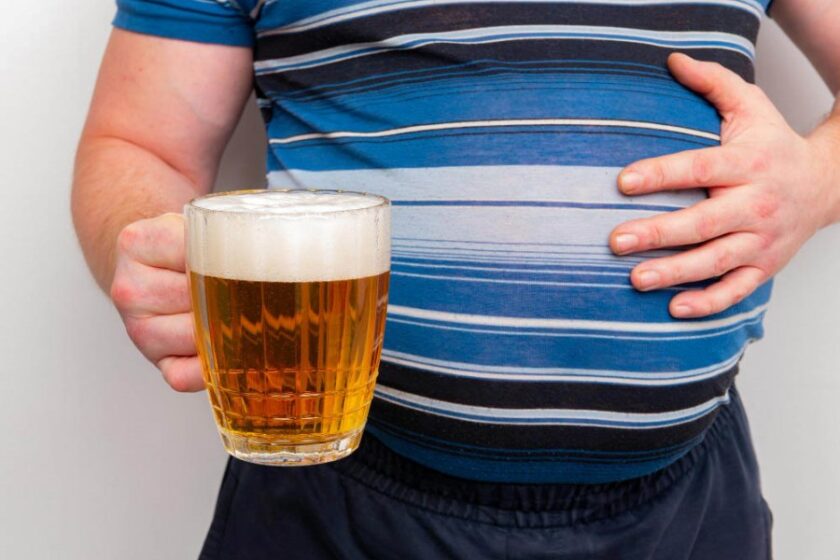
How Bariatric Surgery Alters Alcohol Metabolism
After undergoing bariatric surgery, the body’s ability to process alcohol changes dramatically. Procedures like gastric bypass or sleeve gastrectomy reduce stomach size and alter digestive pathways, which can significantly affect alcohol absorption.
The stomach plays a key role in breaking down alcohol before it enters the bloodstream. With a smaller stomach, less alcohol is metabolized locally, leading to higher blood alcohol levels more quickly. Research indicates that patients may experience peak intoxication in half the time compared to individuals without surgery.
Additionally, liver enzymes, which help metabolize alcohol, are not immediately adapted to these changes. This mismatch explains why many patients report feeling “buzzed” faster or more intensely than before surgery.
Types of Bariatric Surgery and Their Impact on Alcohol Sensitivity
Not all bariatric procedures affect alcohol in the same way. Some interventions have more pronounced effects due to the degree of stomach and digestive tract alteration.
1. Roux-en-Y Gastric Bypass (RYGB)
- Creates a small stomach pouch and reroutes the small intestine.
- Alcohol reaches the bloodstream faster, increasing both peak blood alcohol concentration and duration of impairment.
2. Sleeve Gastrectomy
- Removes a portion of the stomach, reducing its volume but leaving digestive pathways mostly intact.
- Alcohol absorption accelerates, though typically less dramatically than with RYGB.
3. Adjustable Gastric Banding
- Involves placing a band around the upper stomach to restrict food intake.
- Minimal effect on alcohol metabolism compared to other surgeries but still increases sensitivity for some patients.
Understanding the procedure-specific impact is critical for managing expectations and safety post-surgery.
The Science Behind Increased Alcohol Sensitivity
The heightened response to alcohol after bariatric surgery is linked to several physiological factors:
- Reduced first-pass metabolism: Smaller stomach size allows alcohol to bypass some enzymatic breakdown, increasing its potency in the bloodstream.
- Faster gastric emptying: Liquids move quickly into the small intestine, where absorption is more efficient.
- Changes in body composition: Lower body weight and altered fat-to-water ratios amplify alcohol’s effects.
Clinical studies have shown that some patients experience a two- to threefold increase in blood alcohol levels after consuming the same amount of alcohol as before surgery. This can contribute to rapid intoxication, increased impairment, and even accidental alcohol poisoning.

Behavioral and Social Implications
Increased alcohol sensitivity following bariatric surgery is not just a physiological concern it also affects behavior and social interactions. Patients may notice:
- Feeling tipsy after a single drink.
- Heightened hangovers due to rapid alcohol absorption.
- Social discomfort or embarrassment in settings where moderate drinking is expected.
Some studies suggest that changes in alcohol metabolism may increase the risk of alcohol misuse in a small subset of patients. Behavioral awareness and moderation become essential tools for navigating these new challenges.
Long-Term Health Considerations
While the immediate effects of alcohol are noticeable, long-term implications of drinking after bariatric surgery deserve attention.
- Nutrient absorption: Alcohol can interfere with nutrient intake, which is already compromised post-surgery.
- Liver health: Rapidly elevated blood alcohol levels can strain the liver over time.
- Mental health: Some patients report changes in mood or impulse control related to alcohol sensitivity.
Understanding these risks encourages a mindful approach to drinking, emphasizing moderation and awareness rather than complete avoidance for everyone.
Practical Tips for Managing Alcohol Sensitivity
Though this article is informational and not prescriptive, evidence-based strategies can help bariatric surgery patients navigate alcohol consumption safely:
- Start slowly: Even one drink may have a stronger effect than expected.
- Monitor effects: Keep a personal record of how different drinks affect you.
- Hydration and nutrition: Consuming alcohol on an empty stomach can exacerbate rapid absorption.
- Education: Knowing how your specific surgery alters metabolism empowers safer choices.
These insights help patients maintain a balanced lifestyle while respecting the body’s new physiological reality.
Research Insights and Future Directions
Emerging studies are exploring how genetic factors, type of surgery, and patient behavior interact to influence post-surgical alcohol sensitivity. Current research highlights:
- Inter-individual variability: Not all patients experience the same degree of sensitivity.
- Procedure-specific differences: Gastric bypass patients generally exhibit higher blood alcohol peaks than sleeve gastrectomy patients.
- Potential preventive strategies: Lifestyle education and post-surgical counseling may mitigate risks.
Ongoing research will continue refining guidelines to help patients enjoy social and cultural practices without compromising health.
Bariatric surgery transforms not only weight and metabolism but also alcohol sensitivity. Faster absorption, higher blood alcohol peaks, and behavioral implications create a unique post-surgical landscape that patients must navigate carefully. By understanding the science, types of surgery, and physiological changes, patients can make informed decisions and anticipate how their bodies respond to alcohol in the years following surgery.