
The Gastric Balloon Diet Plan is one of the most discussed nutritional strategies among individuals preparing for or recovering from minimally invasive weight management procedures. This dietary roadmap is designed to help the stomach adapt to the presence of a balloon device while encouraging gradual and sustainable weight reduction. Many patients wonder how food choices influence comfort, metabolic response, and long-term success after balloon placement. The truth is that nutrition plays a central role in shaping the outcome of this method.
Weight control interventions are not solely mechanical; they are behavioral and physiological processes combined. The philosophy behind the Gastric Balloon Diet Plan is to reduce gastric stress, improve satiety signaling, and help patients develop healthier eating patterns. By understanding which foods to prioritize before and after placement, individuals can improve adaptation and potentially enhance their weight management journey.
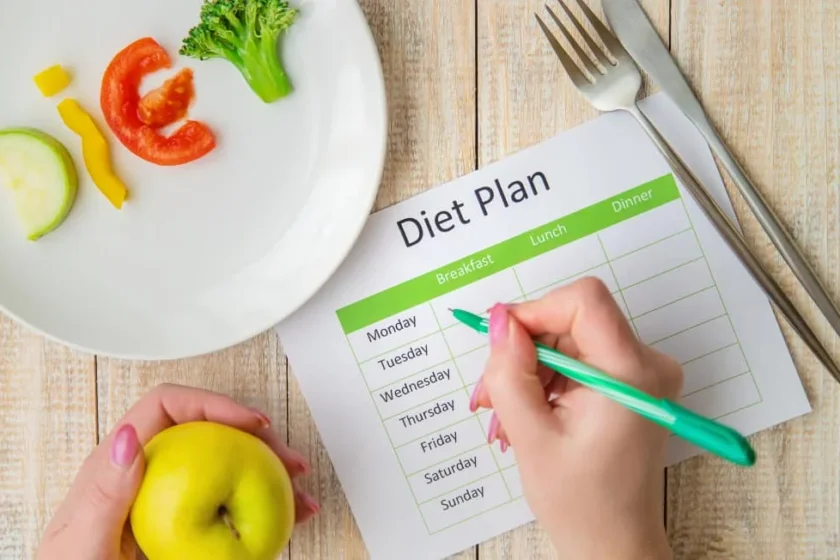
Understanding the Gastric Balloon Diet Plan Before Placement
The pre-procedure stage of the Gastric Balloon Diet Plan is often overlooked, yet it carries significant importance. Before balloon insertion, doctors usually recommend a transition toward lighter meals that reduce gastric residue and inflammation. This preparation phase helps decrease procedural complications and allows the digestive system to adjust to a lower mechanical workload.
A typical preparation strategy involves reducing processed carbohydrates and high-fat meals. Instead, emphasis is placed on easily digestible proteins and controlled portions of vegetables. The idea is not strict starvation but controlled nutritional discipline that supports stomach emptying and lowers procedural discomfort. Within the framework of the Gastric Balloon Diet Plan, hydration also becomes a fundamental element, as adequate fluid intake supports metabolic stability.
At institutions such as Dr. Caynak, nutritional counseling may accompany procedural planning. Patients are often educated about mindful eating habits that extend beyond the intervention period. This educational approach helps transform short-term preparation into long-term behavioral change.
What to Eat 48 Hours Before Balloon Placement in Gastric Balloon Diet Plan
The final 48 hours before the procedure represent a transition zone inside the Gastric Balloon Diet Plan. During this period, soft and low-residue foods are commonly preferred. Soups with light protein content, clear broths, and cooked vegetables may be easier for the stomach to process.
Patients often ask about protein consumption during this stage. Lean proteins such as boiled chicken, eggs in soft form, or plant-based protein sources may be included in moderate amounts. The purpose is not aggressive restriction but creating digestive calmness. Scientific observations suggest that smoother gastric preparation may help reduce postoperative nausea sensitivity.
Beverages also play an important role. Sugary drinks, carbonated beverages, and high-caffeine liquids are usually minimized within the Gastric Balloon Diet Plan preparation window. Instead, water intake is maintained steadily, supporting electrolyte balance and improving cellular hydration.
Gastric Balloon Diet Plan During the First Week After Placement
The first week following balloon insertion is arguably the most delicate period of the Gastric Balloon Diet Plan. The stomach needs time to adapt to the physical presence of the balloon, which may initially trigger sensations of fullness or mild discomfort.
Liquid nutrition is commonly recommended during the early recovery phase. Clear soups, diluted protein shakes, and sugar-free beverages are frequently used. The digestive system is gradually reintroduced to nutritional activity rather than being overwhelmed by solid foods.
Research observations suggest that patients who follow structured post-placement dietary stages tend to experience better adaptation. Within the Gastric Balloon Diet Plan, meal frequency is often increased while portion size is significantly reduced. Eating slowly and chewing thoroughly becomes almost a behavioral therapy that supports physiological adjustment.
Transitioning to Soft Foods in the Gastric Balloon Diet Plan
After the initial recovery phase, patients typically progress to soft foods as part of their Gastric Balloon Diet Plan. This stage is fascinating because it represents the psychological shift from medical recovery to lifestyle transformation.
Foods such as mashed vegetables, yogurt, oatmeal, and soft fruits may appear in the menu. These foods provide micronutrients while maintaining gastric comfort. Protein intake continues to be important, but it is delivered in forms that are easy to digest and absorb.
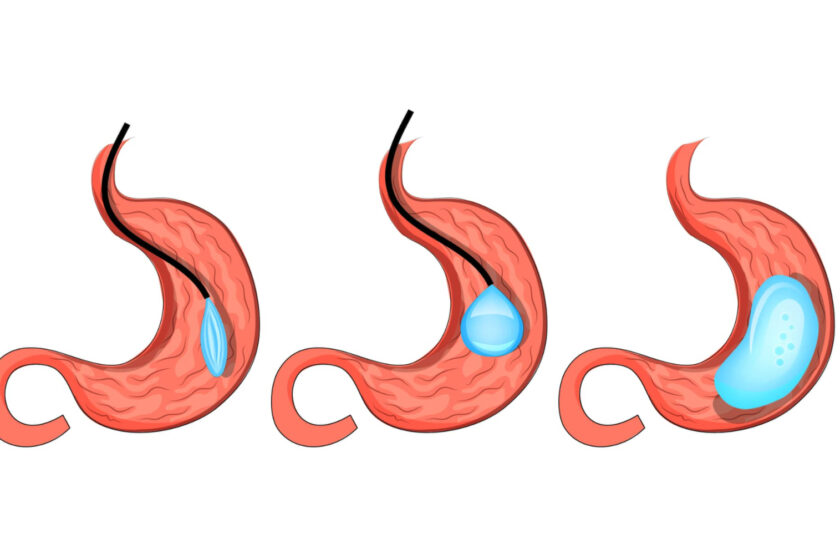
The metabolic effect of this phase is often associated with satiety hormone regulation. Some clinical observations indicate that structured soft-food introduction within the Gastric Balloon Diet Plan may help patients recognize hunger signals more accurately. This recognition can contribute to improved long-term weight control behavior.
Long-Term Nutrition Strategy in Gastric Balloon Diet Plan
The long-term component of the Gastric Balloon Diet Plan focuses on lifestyle sustainability rather than temporary restriction. The presence of the balloon creates a mechanical sensation of fullness, but behavioral adaptation determines real weight management success.
Balanced macronutrient distribution is usually encouraged. This means combining moderate protein, controlled carbohydrates, and healthy fats. Fiber intake gradually increases as tolerance improves, supporting intestinal function and microbiome diversity.
Many weight management specialists emphasize learning portion perception during the Gastric Balloon Diet Plan period. Patients are trained to stop eating when physiological fullness appears rather than continuing due to social or emotional triggers. This behavioral conditioning may persist even after balloon removal.
Common Nutritional Mistakes in Gastric Balloon Diet Plan
One of the most frequent challenges in the Gastric Balloon Diet Plan is rapid return to old eating habits. Some individuals attempt to test stomach capacity by consuming high-calorie liquids or fast foods, which can undermine treatment effectiveness.
Another common mistake is inadequate hydration. Since the balloon occupies gastric space, dehydration symptoms may appear more quickly if water consumption is neglected. Balanced fluid intake supports both digestion and metabolic regulation.
Over-restriction is also problematic. Although the Gastric Balloon Diet Plan promotes portion control, extreme calorie limitation may lead to fatigue, nutrient deficiency, or emotional stress. The ideal approach is controlled moderation rather than aggressive dieting.
Psychological and Behavioral Aspects of Gastric Balloon Diet Plan
Beyond physiology, the Gastric Balloon Diet Plan carries a psychological transformation dimension. Eating patterns are deeply connected to emotional regulation, social interaction, and lifestyle identity.
Some patients experience improved motivation as body weight begins to decrease. This motivational feedback loop can reinforce healthier choices. However, emotional dependency on procedural assistance should be avoided by developing independent dietary awareness.
Support systems, nutritional coaching, and lifestyle education contribute to success. Clinics such as Dr. Caynak often integrate multidisciplinary guidance for comprehensive patient adaptation.
Gastric Balloon Diet Plan as a Lifestyle Transition
The Gastric Balloon Diet Plan is not simply a temporary medical guideline but a structured nutritional philosophy designed to reshape eating behavior. From pre-placement preparation to long-term maintenance, the process encourages gradual adaptation and sustainable metabolic change.
Success in balloon-assisted weight management depends on patient discipline, medical supervision, and nutritional awareness. The procedure acts as a supportive tool, yet the true transformation occurs when individuals internalize healthier eating habits.
Ultimately, understanding food choices, portion control, and emotional eating triggers is as important as the mechanical effect of the balloon itself. When applied thoughtfully, the Gastric Balloon Diet Plan can serve as a bridge between medical intervention and lasting lifestyle improvement.