
Gastric Balloon treatment has emerged as a widely discussed non surgical weight management option for individuals seeking structured support without undergoing permanent bariatric surgery. Unlike invasive procedures that alter the anatomy of the stomach, the Gastric Balloon works by temporarily occupying space within the stomach to promote earlier satiety and portion control. As interest in minimally invasive metabolic interventions grows, understanding how the Gastric Balloon functions, who it may suit, and what outcomes it may offer becomes increasingly important.
Weight regulation is influenced by complex interactions between hormones, appetite signaling, behavioral patterns, and metabolic adaptation. The Gastric Balloon is positioned within this framework not as a shortcut, but as a tool that may assist behavioral change. This article explores the scientific basis, procedure steps, expected physiological responses, and long term considerations surrounding the Gastric Balloon approach.
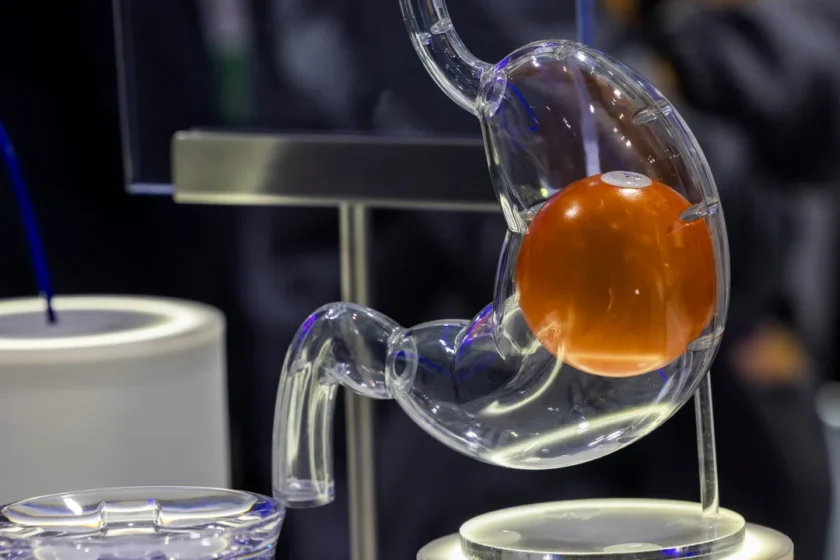
How the Gastric Balloon Works Inside the Body
The Gastric Balloon is typically placed endoscopically into the stomach and then filled with saline or gas, depending on the system used. By occupying space, the balloon reduces the functional volume available for food. This mechanical presence can contribute to earlier feelings of fullness during meals.
From a physiological perspective, the Gastric Balloon may influence gastric accommodation and stretch receptor activation. When the stomach wall expands, neural signals travel through the vagus nerve to appetite regulating centers in the brain. Although individual responses vary, this signaling pathway may support portion moderation.
Research in obesity management suggests that restrictive interventions can influence caloric intake patterns. However, metabolic adaptation remains a dynamic process. The Gastric Balloon does not alter nutrient absorption or permanently change anatomy. Its effects are primarily behavioral and volumetric rather than malabsorptive.
Who May Consider a Gastric Balloon Procedure
The Gastric Balloon is often discussed as an option for individuals who have not achieved desired weight outcomes through lifestyle modification alone and who may not qualify for or prefer surgical bariatric procedures. Body mass index, metabolic profile, and medical history are typically evaluated before consideration.
Candidates exploring a Gastric Balloon frequently seek a reversible and temporary intervention. The device is usually designed to remain in place for a defined period, often several months, after which it is removed endoscopically. This temporary nature distinguishes it from surgical options such as sleeve gastrectomy.
It is important to recognize that suitability depends on individualized clinical assessment. Factors such as previous gastric surgery, certain gastrointestinal conditions, or specific risk profiles may influence eligibility.
Step by Step Overview of the Gastric Balloon Procedure
Understanding procedural flow helps clarify expectations. While techniques vary slightly depending on device type, the Gastric Balloon process often includes the following stages:
- Pre procedural evaluation and medical assessment
- Endoscopic placement under sedation
- Balloon inflation with saline or gas
- Monitoring during early adaptation phase
- Scheduled removal after designated period
The placement of a Gastric Balloon is generally performed without surgical incisions. An endoscope guides insertion through the mouth into the stomach. Once positioned correctly, the balloon is filled and sealed.
The adaptation period following placement may involve temporary nausea or abdominal discomfort as the stomach adjusts. These responses are often described in clinical literature as part of the early accommodation phase.
Comparing Gastric Balloon with Other Weight Loss Interventions
The Gastric Balloon differs significantly from surgical bariatric procedures in mechanism and permanence. The table below summarizes key distinctions:
| Feature | Gastric Balloon | Surgical Bariatric Procedures |
| Invasiveness | Non surgical | Surgical |
| Anatomical Change | None permanent | Permanent alteration |
| Reversibility | Yes | Typically no |
| Duration | Temporary | Long term |
| Mechanism | Space occupying | Restrictive or malabsorptive |
While the Gastric Balloon offers reversibility, surgical procedures may produce greater average long term weight reduction in certain populations. However, they also involve higher procedural complexity.
Choosing between approaches depends on medical profile, goals, and readiness for lifestyle adaptation. The Gastric Balloon occupies a middle ground between lifestyle modification alone and permanent surgery.
Expected Outcomes and Weight Loss Patterns with Gastric Balloon
Clinical observations suggest that individuals using a Gastric Balloon may experience gradual weight reduction during the active treatment period. Reported outcomes vary depending on adherence to nutritional guidance and behavioral adjustments.
Weight loss associated with the Gastric Balloon is often described in terms of percentage of excess weight reduction rather than total body weight alone. Importantly, the device functions as a catalyst rather than a standalone solution.
Behavioral support plays a significant role. Structured dietary counseling, mindful eating practices, and physical activity strategies are often integrated into comprehensive programs accompanying the Gastric Balloon.
Long term maintenance after balloon removal remains a critical consideration. Without sustained behavioral adaptation, weight regain may occur. Therefore, the temporary nature of the intervention underscores the importance of lifestyle reinforcement.
Safety Profile and Considerations of Gastric Balloon
Like all medical interventions, the Gastric Balloon involves potential risks and side effects. Common early symptoms may include nausea, vomiting, or abdominal cramping during the adjustment period. These effects are frequently transient but vary in intensity.
Serious complications are considered uncommon but have been reported in medical literature. These may include balloon deflation or intolerance requiring early removal. The Gastric Balloon should therefore be monitored within a structured clinical framework.
Pre procedural screening aims to reduce risk. Comprehensive evaluation helps identify contraindications and optimize safety. Transparent discussion about benefits and limitations supports informed decision making.
Psychological and Behavioral Impact of Gastric Balloon Treatment
Beyond physical restriction, the Gastric Balloon may influence eating behavior awareness. Reduced stomach capacity can encourage slower eating and increased mindfulness around portion size.
Some behavioral studies suggest that temporary restrictive devices can act as habit forming tools. The Gastric Balloon period may provide an opportunity to recalibrate hunger cues and meal patterns. However, long term success depends on sustained behavioral integration.
Weight management is influenced by emotional, social, and environmental factors. Integrating psychological support alongside Gastric Balloon treatment may enhance overall outcomes.
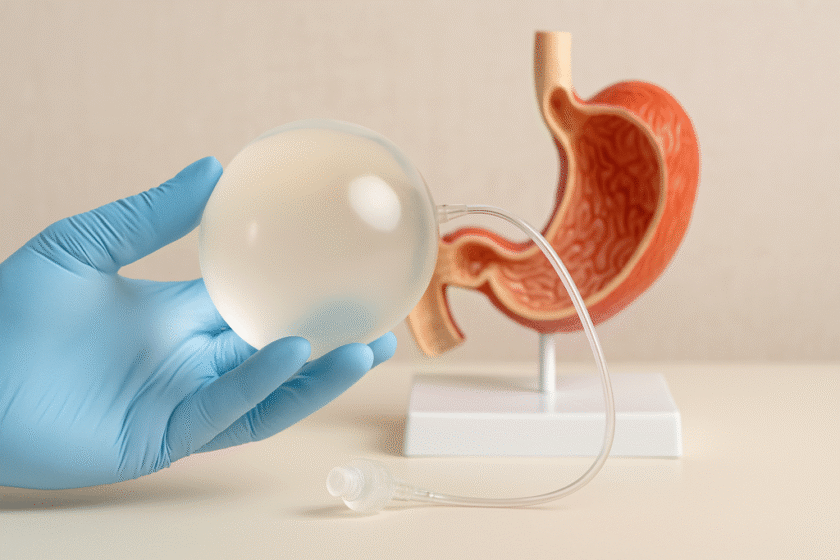
The Role of Multidisciplinary Support in Gastric Balloon Programs
A comprehensive Gastric Balloon program often involves collaboration between medical providers, dietitians, and behavioral specialists. Multidisciplinary frameworks are associated with improved adherence in weight management research.
Nutritional planning during the active Gastric Balloon phase typically focuses on portion control, protein balance, and gradual dietary progression. Physical activity recommendations are often introduced gradually based on individual capacity.
This integrated approach positions the Gastric Balloon as part of a structured pathway rather than an isolated intervention. Sustainable weight management typically requires ongoing support beyond device removal.
Long Term Perspective After Gastric Balloon Removal
Once the Gastric Balloon is removed, the stomach returns to its natural anatomy. At this stage, behavioral continuity becomes central. The habits formed during treatment may influence long term stability.
Follow up monitoring after Gastric Balloon removal often includes nutritional guidance and periodic evaluation. Data from obesity management research indicates that sustained lifestyle adaptation is a key predictor of maintenance.
The temporary design of the Gastric Balloon can be viewed as both an advantage and a responsibility. It offers reversibility while placing emphasis on self directed change.
Is Gastric Balloon a Strategic Non Surgical Option?
The Gastric Balloon represents a minimally invasive tool within the broader spectrum of weight management strategies. By occupying space in the stomach and encouraging earlier satiety, it may assist individuals seeking structured, reversible support.
However, the Gastric Balloon is not a substitute for long term behavioral adaptation. Its effectiveness appears closely linked to multidisciplinary support, nutritional education, and sustained lifestyle change.
As non surgical interventions continue to evolve, the Gastric Balloon stands as an example of how biomedical engineering intersects with behavioral science. For individuals exploring options, understanding the mechanism, benefits, and limitations of the Gastric Balloon fosters informed and thoughtful decision making.