
Many people wonder whether bariatric surgery influences fertility and pregnancy outcomes. The answer is yes, weight loss procedures can have both positive and challenging effects on reproductive health. By reducing obesity-related complications and improving hormonal balance, bariatric surgery often increases fertility rates and leads to healthier pregnancies. However, timing, nutritional balance, and medical monitoring are critical factors that should not be overlooked. This guide explores in detail how bariatric surgery affects fertility and pregnancy, offering evidence-based insights for those planning parenthood after surgery.
How bariatric surgery affects fertility
Hormonal improvements after surgery
Obesity is strongly linked with hormonal imbalances such as insulin resistance, excess estrogen, and disrupted ovulation. After bariatric surgery, significant weight loss leads to:
- Increased sensitivity to insulin
- Reduction in excess estrogen stored in fat tissue
- Better regulation of menstrual cycles
- Improved ovulation frequency
For men, surgery often increases testosterone levels and enhances sperm quality, which contributes to better fertility.
Fertility conditions improved
Several obesity-related conditions that affect fertility show remarkable improvement after surgery, including:
- Polycystic ovary syndrome (PCOS) symptoms such as irregular cycles and infertility
- Anovulation (lack of ovulation)
- Erectile dysfunction related to obesity and diabetes
- Low sperm motility associated with excess weight
These improvements explain why many women and men experience higher chances of conception after bariatric surgery.
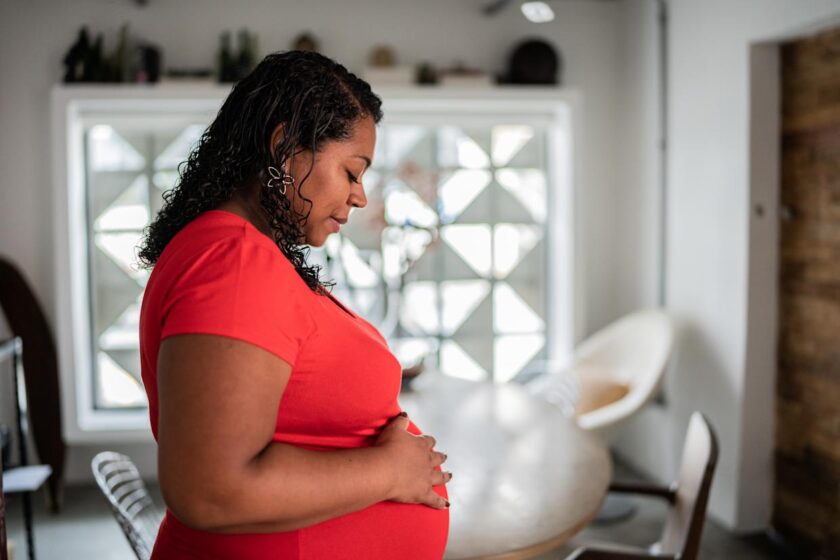
When is it safe to get pregnant after bariatric surgery?
Most experts recommend waiting at least 12 to 18 months after surgery before trying to conceive. The reasons are:
- During the first year, rapid weight loss may cause nutrient deficiencies such as low iron, folate, calcium, and vitamin B12.
- The body needs time to stabilize before supporting a pregnancy.
- Waiting reduces the risk of low birth weight or premature birth in the baby.
Planning pregnancy at the right time ensures both mother and baby receive enough nutrients for healthy development.
Benefits of bariatric surgery for pregnancy
Reduced pregnancy complications
Women who undergo surgery before pregnancy often have lower risks of:
- Gestational diabetes
- Preeclampsia (high blood pressure during pregnancy)
- Cesarean delivery due to complications
- Macrosomia (having an overly large baby)
By lowering these risks, bariatric surgery can help ensure safer pregnancies.
Improved maternal health
Sustained weight loss improves cardiovascular health, reduces sleep apnea, and decreases the chances of obesity-related complications that could threaten pregnancy.

Potential risks of pregnancy after bariatric surgery
While there are clear benefits, there are also potential risks that require attention.
- Nutrient deficiencies: Bariatric surgery limits food absorption, which may cause deficiencies in iron, folic acid, calcium, and vitamins. These nutrients are vital for fetal growth.
- Small for gestational age (SGA): Babies may be smaller than average if the mother does not receive proper supplementation.
- Dumping syndrome: Sudden blood sugar drops can occur after eating certain foods, affecting energy levels during pregnancy.
Close medical follow-up and supplementation reduce these risks significantly.
Nutritional management during pregnancy after bariatric surgery
Essential supplements
Pregnant women who have undergone surgery are often advised to take:
- Prenatal vitamins
- Iron and folic acid
- Vitamin B12 injections or tablets
- Calcium with vitamin D
These ensure both mother and baby receive enough nutrients for healthy development.
Diet and monitoring
Regular nutritional assessments are critical. Doctors may recommend small, frequent meals rich in protein, vegetables, and whole grains to maintain steady energy and avoid digestive discomfort.
Bariatric surgery and fertility treatments
For couples undergoing IVF (in vitro fertilization) or other fertility treatments, bariatric surgery can improve success rates. Healthier hormone levels and lower body mass index (BMI) increase the likelihood of implantation and healthy pregnancy. However, timing and proper medical support remain key.

Key recommendations for patients
- Wait at least 12 to 18 months after surgery before trying to conceive
- Attend regular follow-up appointments with bariatric and obstetric specialists
- Take all prescribed supplements and monitor nutrient levels
- Maintain a balanced diet and avoid highly processed foods
- Consider pregnancy planning in consultation with a fertility specialist
Bariatric surgery in Turkey for fertility and pregnancy planning
Turkey has become a global hub for bariatric surgery, offering advanced technology, highly skilled surgeons, and affordable treatment packages. Many patients choose Turkey not only for cost-effectiveness but also for comprehensive care including fertility counseling and post-surgery pregnancy management. Clinics in Turkey often provide multilingual medical teams, tailored nutrition programs, and long-term follow-up, making it a strong option for international patients planning a family after surgery.
Conclusion
Bariatric surgery has a profound effect on both fertility and pregnancy outcomes. By restoring hormonal balance, improving ovulation, and reducing pregnancy-related risks, it can significantly increase the chances of healthy conception. At the same time, careful nutritional management, timing, and specialist care are essential to avoid complications. For couples struggling with infertility linked to obesity, bariatric surgery may serve as a powerful pathway to parenthood, especially when combined with professional support in destinations like Turkey, where high-quality and affordable medical care is available.
This comprehensive understanding empowers individuals to make informed decisions about fertility and pregnancy after bariatric surgery, ensuring both maternal health and the well-being of future children.