
Many people considering bariatric surgery often wonder how painful the procedure will be? The reality is that modern bariatric techniques such as gastric sleeve and gastric bypass are performed using minimally invasive laparoscopic methods, which significantly reduce postoperative pain compared to open surgery. While some discomfort is expected, the pain is usually manageable with proper medical care, pain medication, and lifestyle adjustments.
How is pain managed after bariatric surgery?
Immediately after the operation, patients are closely monitored. Surgeons and anesthesiologists typically prescribe a combination of pain control strategies to ensure comfort. Common approaches include
- Intravenous pain medication in the first hours after surgery
- Oral painkillers once the patient begins liquid intake
- Non-opioid medications to minimize side effects
- Patient-controlled analgesia pumps in certain cases
This multimodal approach ensures that most patients describe the pain as mild to moderate, rather than severe.
What type of pain should you expect?
The pain experience varies, but most patients report specific discomforts rather than sharp unbearable pain. Typical sensations include
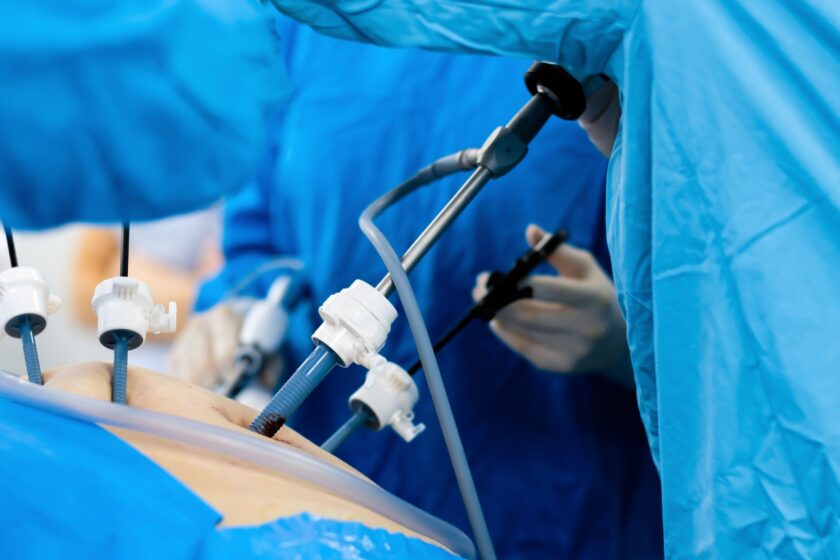
- Incisional soreness around the small cuts made for laparoscopic instruments
- Shoulder pain caused by the gas used to inflate the abdomen during surgery
- Abdominal tightness due to internal healing and swelling
- General fatigue as the body recovers
These symptoms are usually temporary and improve within the first few days.
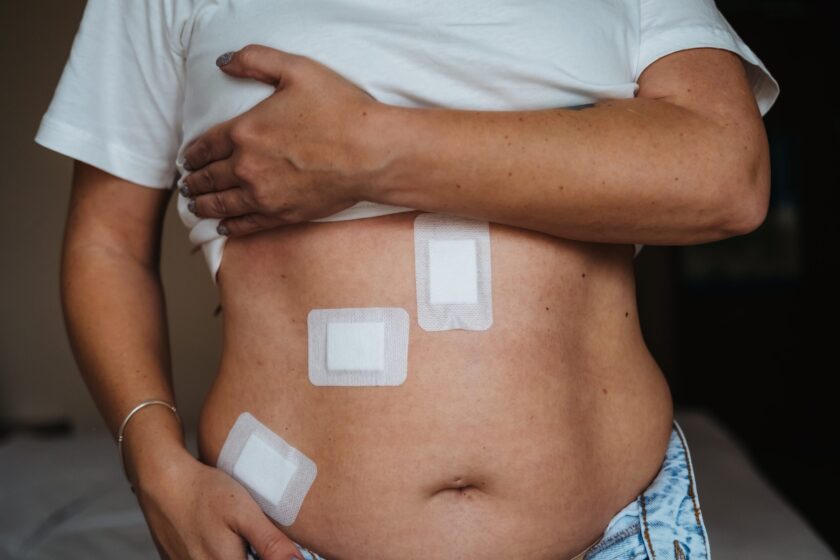
Recovery timeline and pain reduction
- First 24 to 48 hours: Strongest discomfort, controlled with IV or oral medication
- First week: Noticeable improvement, soreness becomes tolerable
- 2 to 3 weeks: Most patients return to normal activities with minimal discomfort
- After 1 month: Pain is almost completely gone, leaving only mild sensitivity
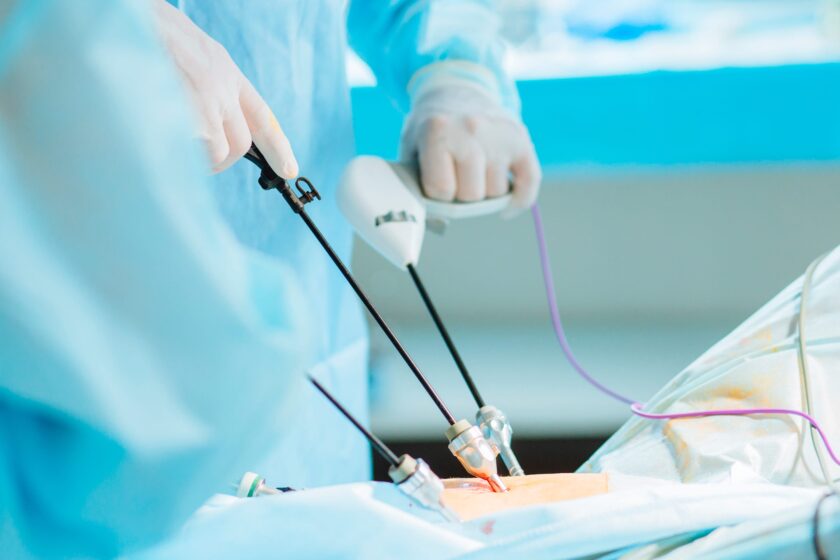
The quick reduction in pain is largely due to laparoscopic techniques, which minimize tissue trauma.
Factors influencing pain levels
Pain tolerance and recovery vary based on several factors
- Type of bariatric procedure performed
- Patient’s pain threshold and sensitivity
- Overall health condition before surgery
- Adherence to post-op guidelines such as rest, hydration, and walking
- Presence of complications like infection or leakage (rare but possible)
Patients who prepare well and follow medical advice often report less pain and faster healing.
Comparison with other surgeries
Compared to traditional open abdominal surgeries, bariatric surgery is less painful and involves smaller incisions. For many patients, the discomfort is similar to what they might feel after a laparoscopic gallbladder removal or appendectomy.
Emotional impact of pain perception
Pain is not only physical but also psychological. Many patients fear pain more than they actually experience it. Understanding the recovery process, having clear expectations, and trusting the medical team can reduce anxiety, which in turn lowers the perception of pain.
Tips to reduce discomfort after surgery
- Walk regularly to release trapped gas and prevent stiffness
- Use prescribed pain medication as directed without skipping doses
- Stay hydrated to support healing
- Follow dietary guidelines to avoid digestive discomfort
- Practice deep breathing and relaxation techniques
These simple steps can greatly reduce post-op pain and support faster recovery.
When to contact your surgeon about pain?
While some pain is expected, certain warning signs require medical attention
- Severe unrelieved pain not improving with medication
- Sharp chest pain or breathing difficulty
- Swelling or redness at incision sites
- Fever or chills
- Persistent nausea or vomiting
These symptoms may indicate a complication and should never be ignored.
Long term outlook on pain after bariatric surgery
The good news is that long term pain is rare after bariatric surgery. Once the body heals, patients typically experience improved mobility, reduced joint pain, and better quality of life due to significant weight loss. What begins with a short period of discomfort often leads to years of improved health and comfort.
Choosing the right location for surgery
Pain management and recovery quality depend heavily on the expertise of the surgical team and the facility chosen. Many patients from around the world choose Turkey for bariatric surgery because of
- Highly experienced surgeons specialized in obesity treatment
- Modern hospitals equipped with advanced technology
- Comprehensive aftercare programs including pain management
- Affordable prices compared to Western countries
This combination makes Turkey a leading destination for patients seeking safe and comfortable bariatric surgery.
Conclusion
So how painful is bariatric surgery? The answer is that while some discomfort is inevitable, the pain is usually mild to moderate and well controlled with proper care. Most patients recover quickly, and the benefits of weight loss and improved health far outweigh the temporary soreness. With skilled surgeons, advanced laparoscopic methods, and strong aftercare support, bariatric surgery can be a manageable and life-changing experience.
If you are considering the procedure, consulting with a trusted clinic in Turkey can provide both safe surgery and effective pain management, ensuring your journey toward better health is as smooth as possible.