
One of the most common and natural outcomes after major weight loss is Loose Skin. While shedding pounds is often celebrated as a major health and lifestyle achievement, the reality of excess or sagging skin can surprise many people. Beyond aesthetics, Loose Skin carries emotional, physical, and even cultural dimensions that deserve exploration. At Dr. Çaynak’s platform, we believe in analyzing such topics not only through surface-level discussions but also by offering a comprehensive perspective that blends science, psychology, and lived experience.
Why Does Loose SkinOccur After Weight Loss?
The appearance of Loose Skin after significant weight reduction is primarily linked to the skin’s elasticity. Skin is an extraordinary organ it stretches to accommodate body growth, but when weight is lost quickly or after long-term obesity, the skin may not contract back to its previous state. Imagine it like a balloon: once inflated for too long, it rarely returns to its original tightness.
Scientific studies in dermatology suggest that factors such as age, genetics, duration of obesity, and the rate of weight loss influence the extent of Loose Skin. Younger individuals may experience better skin contraction, while older adults or those who carried excess weight for decades might face more dramatic sagging. Hormonal balance and collagen levels also play a significant role in how the skin responds to body changes.
The phenomenon of Loose Skin is not purely biological it also carries psychological weight. For many, it represents a reminder of their former body, complicating the joy of transformation. This duality makes it a subject worth discussing not just medically, but socially and emotionally as well.
The Psychological Impact of Loose Skin
While the medical explanation of Loose Skin is straightforward, the psychological implications can be far more complex. People often report feeling a disconnect between their healthier, slimmer body and the sagging folds that remain. This dissonance can affect confidence, social life, and even body image satisfaction.
Research in psychology emphasizes that the presence of Loose Skinmay hinder the sense of “closure” that comes with weight loss. Instead of fully enjoying their accomplishment, individuals may continue to feel restricted by visible reminders of their previous size. For some, this can even lead to frustration, as they expected weight loss alone to solve their self-image challenges.
On the flip side, many embrace their Loose Skin as a badge of honor, a physical marker of their journey. Just as scars can tell a story, sagging skin may symbolize resilience and change. This cultural re-framing shows that perception of Loose Skin varies widely, influenced by personal values, community support, and societal expectations of beauty.
The Physical Challenges of Loose Skin
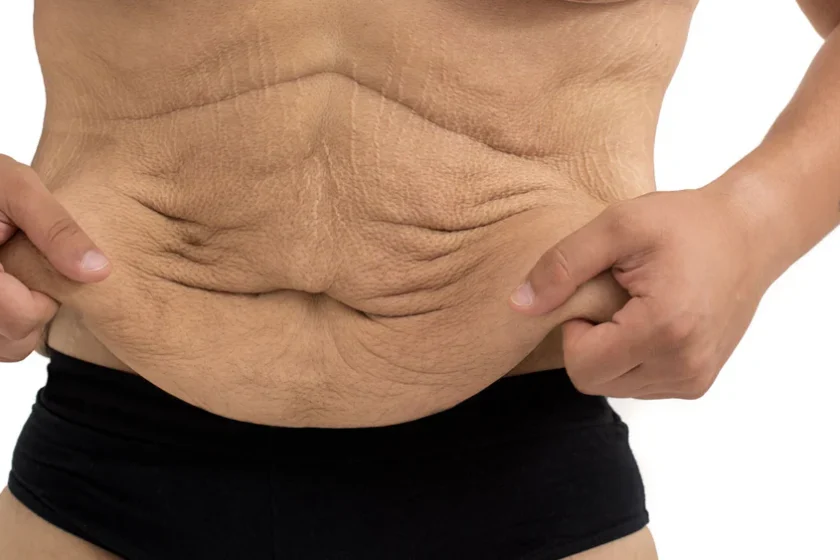
Beyond appearance, Loose Skin can have tangible effects on physical comfort. Individuals who have undergone major weight loss sometimes report irritation, rashes, or difficulty with certain physical activities due to excess folds of skin. These challenges, while not always visible to outsiders, can become a daily reminder of the body’s transformation.
One interesting point is that Loose Skinoften accumulates in areas such as the abdomen, arms, thighs, and chest. These are regions most affected by weight fluctuations, and gravity further accentuates the sagging effect. In some cases, people describe difficulties in exercising or maintaining hygiene in these areas, which adds another dimension to the experience of living with Loose Skin.
Despite these challenges, many adapt creatively through supportive clothing, specialized skincare, or simply embracing the new contours of their body. This demonstrates that the presence of Loose Skin is not necessarily a barrier to living fully, but rather an adjustment that requires time and perspective.
Cultural Perceptions of Loose Skin
The meaning of Loose Skin differs across cultures. In societies heavily influenced by Western beauty ideals, smooth and firm skin is often considered a symbol of youth and health. As a result, Loose Skinmay sometimes be stigmatized, viewed as an imperfection or as something that should be “fixed.” This cultural lens can intensify feelings of insecurity for those who carry it.
However, in other cultural contexts, Loose Skin may hold a completely different symbolism. Some communities interpret it as a visible marker of personal strength, resilience, or transformation. Social narratives are beginning to shift worldwide as more people share their post-weight loss journeys openly on digital platforms. This collective storytelling has helped normalize Loose Skin, reframing it as part of the body’s natural evolution rather than an abnormality.
In popular media, representation is also changing. Where once only “perfect” transformation stories were highlighted, now individuals proudly show their Loose Skin as proof of commitment and perseverance. This shift is not only encouraging but also vital in reducing the stigma surrounding physical changes after weight loss.
Scientific Insights into Loose Skin
Researchers have long studied how the skin adapts or fails to adapt after significant weight reduction. The main scientific factors contributing to Loose Skin include:
- Loss of Collagen and Elastin: Proteins responsible for skin elasticity decline with age and long-term stretching.
- Rate of Weight Loss: Rapid weight loss often results in more dramatic sagging, as the skin doesn’t have time to adjust gradually.
- Genetic Factors: Some individuals are naturally predisposed to tighter or looser skin.
- Duration of Obesity: The longer the skin remains stretched, the harder it becomes for it to retract.
A fascinating area of research explores how lifestyle factors nutrition, hydration, and even exercise may indirectly influence the severity of Loose Skin. While there is no universal formula, studies consistently highlight that every body reacts differently. What might result in minimal sagging for one person could lead to significant Loose Skin for another.
Such findings underline the complexity of this subject. Rather than framing Loose Skin as a flaw, scientific perspectives encourage viewing it as a natural biological outcome of a significant achievement: weight loss.
The Emotional Journey of Living with Loose Skin
The emotional impact of Loose Skin can be just as profound as the physical experience. After years of effort, individuals who successfully lose weight often anticipate a sense of closure yet the sight of sagging folds can evoke mixed feelings. Some describe pride in their transformation, while others feel disappointment that their body does not fully reflect their hard work.
This paradox is deeply human. On one hand, Loose Skinrepresents victory over obesity or an unhealthy lifestyle. On the other, it challenges conventional ideas of “before and after” success stories. Psychologists suggest that acknowledging these complex feelings is vital. By doing so, people can gradually build healthier self-perceptions that recognize the skin not as a flaw but as part of a larger journey.
Social support also plays a crucial role. When friends, family, or communities celebrate the accomplishment rather than critique the skin, individuals often report higher self-esteem. Sharing stories about Loose Skin on social media has further created spaces of solidarity, helping people feel less isolated in their experiences.
Comparing Experiences of Loose Skin
No two people experience Loose Skin the same way. Factors such as age, lifestyle, and genetic background all play a role. To illustrate these differences, here is a simplified comparison:
| Individual Profile | Likelihood of Loose Skin | Typical Experience |
| Young adult, gradual loss | Lower | Minimal sagging, better skin retraction |
| Middle-aged, rapid loss | Moderate | Noticeable folds, especially in abdomen and thighs |
| Long-term obesity, older age | Higher | Significant sagging, multi-area Loose Skin |
This table highlights how Loose Skin is not a one-size-fits-all outcome. Instead, it is a spectrum of experiences shaped by multiple factors. Recognizing this diversity is important because it removes the pressure of comparison. One person’s story of tight, smooth skin does not invalidate another’s story of sagging folds. Both are authentic reflections of weight loss journeys.
Embracing the Reality of Loose Skin
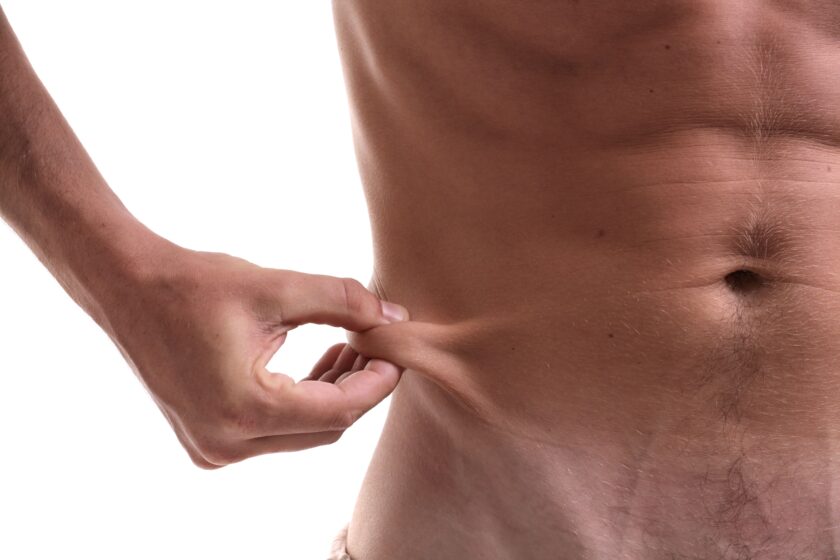
Ultimately, the conversation about Loose Skin after weight loss is less about aesthetics and more about acceptance. While cosmetic options exist, many choose to live with it, reframing sagging skin as a visible badge of discipline and resilience. From a sociological perspective, this acceptance represents a shift away from rigid beauty ideals and toward body diversity.
For individuals who struggle with Loose Skin, the most empowering perspective is to see it as part of their personal history. Rather than a flaw to be erased, it can be understood as a narrative of progress and survival. Just as scars tell stories, Loose Skin reveals one of transformation, persistence, and courage.
The Legacy of Weight Loss and Loose Skin
The journey of weight loss is often framed as a triumph of health and willpower. Yet, the reality of Loose Skin complicates this narrative, reminding us that transformation is never purely physical. It involves biology, psychology, culture, and self-perception.
By examining the science behind Loose Skin, its cultural symbolism, and its emotional impact, we see that it is not merely a cosmetic issue. It is an evolving story of human resilience. For Dr. Çaynak and others committed to understanding this phenomenon, Loose Skin stands as both a challenge and a testament to personal change.
In the end, the folds of skin are not just remnants of the past they are proof of survival, discipline, and the courage to take control of one’s body. And that, in itself, is beautiful.