
Revision After Gastric Balloon is an increasingly discussed topic in the world of bariatric interventions, especially as more patients consider their long-term weight management strategies. While gastric balloons are designed to create a sense of fullness and aid in weight loss, some individuals may experience partial or complete weight regain over time. Understanding the options and implications of a revision procedure is essential for both patients and clinicians seeking sustainable results.
Weight regain after a gastric balloon can happen for multiple reasons. Biological adaptation, changes in dietary habits, and variations in physical activity levels all play a role. Additionally, psychological factors such as stress, emotional eating, or lapses in lifestyle adherence can contribute to gradual weight regain. The decision to pursue a revision after gastric balloon is often prompted when the initial benefits diminish and patients seek renewed assistance to achieve or maintain weight loss goals.
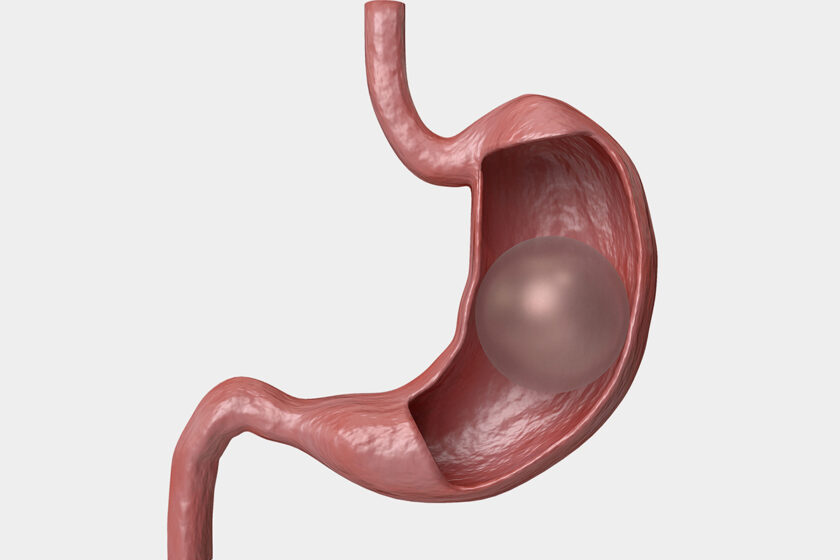
How a Revision After Gastric Balloon Works
A revision after gastric balloon procedure typically involves evaluating the stomach’s current capacity, the previous balloon type, and the patient’s overall health. The revision may include removing a previous balloon and replacing it with a new one, adjusting balloon volume, or, in some cases, exploring alternative minimally invasive devices. This careful assessment ensures that the revision approach aligns with the patient’s current anatomy and weight loss objectives.
The procedure itself is generally similar to the initial balloon placement, involving endoscopic insertion under sedation. However, careful attention is paid to previous scar tissue or mucosal changes caused by the first balloon. Some patients may be candidates for a different balloon type that allows for more extended use or improved satiety, offering a fresh strategy to combat regained weight. Studies in bariatric research suggest that revision balloons can produce meaningful additional weight loss when combined with consistent lifestyle interventions.
Common Causes of Weight Regain After Gastric Balloon
Understanding why weight regain occurs is a critical step before considering a revision after gastric balloon. One key factor is stomach adaptation: over time, the stomach may stretch slightly, reducing the balloon’s satiety effect. In parallel, metabolic changes during initial weight loss may slow down, making it easier to regain weight if calorie intake is not carefully managed.
Behavioral and psychological factors are equally important. Some patients gradually return to high-calorie diets, skip exercise routines, or encounter emotional triggers that lead to overeating. Without consistent lifestyle reinforcement, even the most effective balloon placement can lose its impact. Clinicians emphasize that a revision should not be seen as a standalone solution but rather as part of a broader, integrated weight management plan that addresses both physiological and behavioral components.
Indications for Considering a Revision After Gastric Balloon
A revision after gastric balloon may be recommended when the following indicators are present:
- Significant weight regain after initial successful loss.
- Decreased satiety and early return of hunger.
- Physical or metabolic factors that limit further weight loss.
- Desire to enhance weight loss prior to other interventions, such as bariatric surgery.
In addition to clinical evaluation, the patient’s commitment to diet, exercise, and follow-up appointments is assessed. Research indicates that revisions tend to be more successful when patients demonstrate adherence to structured lifestyle modifications. Moreover, early identification of weight regain provides the opportunity to implement a revision before additional health risks, such as insulin resistance or cardiovascular strain, increase.
Psychological and Behavioral Considerations
Even when a revision after gastric balloon is technically feasible, psychological and behavioral readiness must be evaluated. Emotional eating, stress, and unrealistic expectations can undermine the effectiveness of any revision procedure. Many bariatric programs incorporate counseling and behavioral therapy before considering a new balloon placement. This combination addresses the root causes of regain, improving the likelihood of sustained success.
Patients are often encouraged to track their eating patterns, identify triggers, and set achievable goals. Behavioral adjustments, such as mindful eating, portion control, and consistent physical activity, complement the mechanical benefits of the balloon. Studies highlight that patients who integrate psychological support with revision interventions generally achieve more stable long-term outcomes.
Preparing for a Revision After Gastric Balloon
Preparation for a revision after gastric balloon typically involves both medical and lifestyle evaluations. Blood tests, imaging, and sometimes endoscopic assessments help determine stomach health and suitability for a new balloon. Simultaneously, patients review their previous experience with dietary adherence, physical activity, and behavioral challenges. This dual approach ensures that the next intervention is tailored for maximum effectiveness.
Nutritional counseling is often emphasized, as the patient may need guidance on protein intake, meal timing, and hydration strategies. Additionally, patients are educated about the differences between the initial balloon and revision options, including potential duration, expected satiety levels, and side effects. Comprehensive preparation can reduce complications and improve patient confidence, which is a critical factor in long-term weight management.
Expected Outcomes of a Revision After Gastric Balloon
The primary goal of a revision after gastric balloon is to help patients regain control over their weight and reinforce earlier progress. Clinical data shows that many patients experience additional weight loss following a revision, particularly when combined with structured lifestyle interventions. Although the amount of weight lost may vary, the procedure can restore the satiety effect and support healthier eating patterns.
It is important to understand that outcomes are influenced by multiple factors, including initial weight, adherence to diet and exercise, and individual metabolic responses. Some patients may notice rapid early loss, while others experience gradual, steady progress. Researchers emphasize that combining mechanical interventions like balloons with consistent behavioral strategies produces the most predictable and sustainable results.
Risks and Considerations of a Revision After Gastric Balloon
While a revision after gastric balloon is generally safe, it carries risks similar to the initial procedure. These can include nausea, vomiting, abdominal discomfort, and, in rare cases, balloon deflation or migration. Endoscopic removal or replacement may be required if complications occur. Pre-procedural assessment helps minimize these risks by evaluating stomach integrity and patient suitability.
Long-term considerations are equally critical. A revision may not prevent weight regain indefinitely; patients must remain committed to healthy habits. Studies suggest that lifestyle adherence, rather than repeated procedures alone, determines sustained success. Patients are encouraged to maintain follow-up appointments and monitor weight trends closely.
Choosing Between Revision Options
There are several pathways when considering a revision after gastric balloon:
- Replacing the Balloon with a New Device: Offers renewed mechanical satiety and can be tailored in size and volume.
- Adjusting Balloon Volume or Type: Smaller or differently shaped balloons may enhance comfort and reduce side effects.
- Considering Alternative Minimally Invasive Devices: Some patients may transition to other gastric devices or endoscopic procedures for enhanced results.
The choice depends on previous outcomes, current weight, stomach anatomy, and patient preferences. A multidisciplinary team typically evaluates all factors before deciding, ensuring a personalized approach that maximizes the chances of success.
Long-Term Strategies After Revision
A revision after gastric balloon is most effective when incorporated into a broader, long-term strategy. This includes regular monitoring of weight, dietary adherence, and physical activity. Behavioral interventions, such as mindful eating and structured exercise programs, complement the mechanical effects of the balloon and help prevent future regain.
Patients are also encouraged to engage with healthcare professionals for ongoing guidance. Continuous support and accountability often determine whether the initial gains from a revision are maintained over months and years. Scientific studies indicate that those who actively participate in lifestyle modification programs alongside a revision experience more predictable outcomes and higher satisfaction.
Nutritional and Lifestyle Recommendations
Nutrition plays a central role following a revision after gastric balloon. High-protein, low-calorie diets are often recommended to enhance satiety and preserve muscle mass. Regular meals, portion control, and mindful eating practices reinforce the balloon’s effect and prevent rapid weight regain.
Physical activity is equally essential. Combining aerobic exercises with resistance training supports metabolism and maintains cardiovascular health. The balloon is a tool, not a replacement for healthy habits, and integrating these practices ensures that the patient’s body can adapt effectively while optimizing long-term weight management.

Monitoring and Follow-Up After Revision
After a revision after gastric balloon, regular follow-up is critical. Patients typically undergo periodic check-ins to monitor weight trends, nutritional intake, and overall well-being. Endoscopic evaluations may be scheduled to assess the balloon’s positioning and ensure that the stomach lining remains healthy.
Long-term monitoring provides insights into behavioral compliance, appetite regulation, and early signs of potential complications. Many specialists advocate a combination of in-person visits, telehealth consultations, and digital tracking tools to maintain continuous support. This structured follow-up not only enhances safety but also reinforces the behavioral changes necessary for sustained success.
Psychological Impact of a Revision After Gastric Balloon
A revision after gastric balloon does more than influence physical satiety; it also affects psychological well-being. Many patients report renewed motivation and confidence as they regain control over weight management. The knowledge that a structured, medically supervised intervention is in place can reduce anxiety around eating habits and enhance adherence to lifestyle modifications.
Behavioral reinforcement plays a crucial role in success. Patients are often encouraged to track their progress, reflect on challenges, and celebrate milestones. This integration of psychological strategies with mechanical intervention helps maintain motivation, making it easier to stick with dietary and exercise routines. Studies suggest that patients with a strong mental and emotional framework achieve more consistent long-term outcomes.
Complications and How They Are Managed
Although a revision after gastric balloon is minimally invasive, complications can still occur. Nausea, vomiting, abdominal discomfort, and balloon deflation are the most commonly reported issues. In rare cases, balloon migration or irritation of the stomach lining may necessitate early removal.
Proactive management is key. Patients are monitored closely in the first days after placement, and clinicians provide clear guidance on diet progression, hydration, and activity levels. Early detection of potential complications allows for timely intervention, often preventing more serious consequences. Additionally, patient education about recognizing warning signs is essential for ensuring safety and minimizing risks.
Comparing Revision Options with Other Bariatric Procedures
When considering a revision after gastric balloon, it’s important to compare this option with other bariatric interventions. While more invasive procedures like sleeve gastrectomy or gastric bypass can produce larger weight loss, they also carry higher risks and require permanent anatomical changes. A revision balloon offers a reversible, minimally invasive approach that can still provide meaningful results when combined with lifestyle adjustments.
For some patients, a revision balloon serves as a bridge or preparation for future surgical interventions. By achieving initial weight loss or stabilizing regain, patients may improve surgical outcomes and reduce perioperative risks. Additionally, the balloon allows patients to experience renewed behavioral reinforcement, which is often critical for long-term success after any bariatric procedure.
Success Rates and Predictors of Effective Revision
Clinical studies report that revision after gastric balloon can produce an additional 8–15% total body weight loss over several months when combined with diet and exercise. Success is strongly correlated with patient engagement in behavioral and lifestyle modifications. Predictors of effective outcomes include consistent follow-up, adherence to dietary guidelines, regular physical activity, and psychological readiness.
It is also observed that patients who address underlying emotional and behavioral challenges before revision are more likely to maintain weight loss. The balloon itself is a tool; the ultimate success depends on integrating medical, nutritional, and behavioral strategies into a cohesive long-term plan.
Lifestyle Integration for Sustained Results
After a revision after gastric balloon, integrating sustainable habits is critical. Meal planning, portion control, and mindful eating should continue indefinitely. Physical activity routines tailored to individual capacity ensure ongoing energy expenditure and metabolic health. In addition, regular check-ins with healthcare professionals reinforce accountability and provide guidance for fine-tuning the plan.
Patients are encouraged to view the revision as an opportunity for behavioral reset. Rather than relying solely on the device, the balloon serves as a catalyst for permanent lifestyle transformation. Successful integration of these strategies reduces the risk of future regain and improves overall well-being.
Concluding Insights on Revision After Gastric Balloon
In summary, a revision after gastric balloon is a valuable intervention for patients experiencing weight regain after the initial procedure. It offers a minimally invasive, reversible option to restore satiety, support behavioral change, and achieve additional weight loss. The procedure’s effectiveness is maximized when paired with structured lifestyle modifications, psychological support, and regular monitoring.
Understanding the nuanced interplay of physical, behavioral, and psychological factors is essential for predicting outcomes and ensuring long-term success. Ultimately, a well-planned revision can serve not only as a corrective measure but also as a strategic opportunity to reinforce habits, regain control over weight, and improve overall quality of life.