
Weight loss surgery is a proven and effective treatment for people struggling with severe obesity when lifestyle changes and medications are not enough. One of the most important factors doctors use to determine eligibility is the Body Mass Index (BMI). Understanding the BMI requirement for bariatric surgery helps patients know whether they may qualify and what options are available. This guide explains the BMI thresholds, medical considerations, and what they mean for long-term health.
What is BMI and why does it matter?
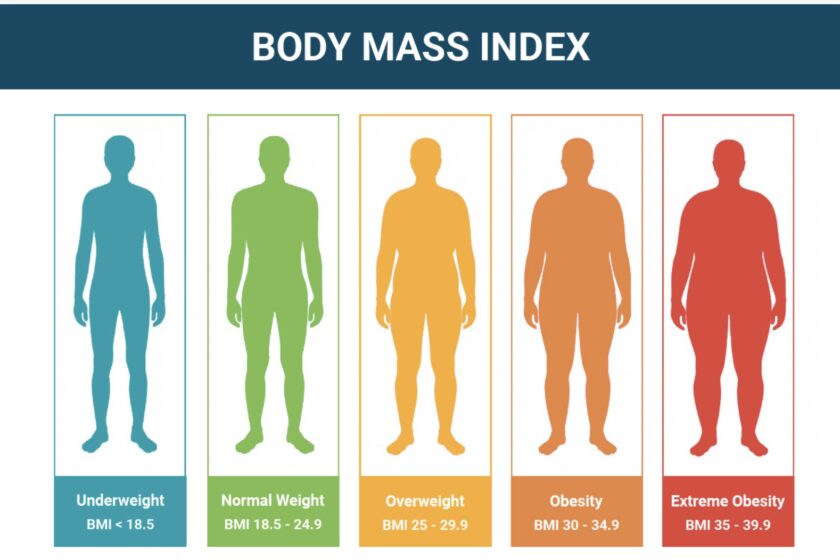
BMI is a simple calculation using weight and height to categorize a person’s body fat. While it is not a perfect measurement, it is widely used in medical guidelines because it is easy to calculate and strongly associated with obesity-related health risks.
- A BMI between 18.5 and 24.9 is considered normal.
- A BMI between 25 and 29.9 indicates overweight.
- A BMI of 30 or higher is categorized as obesity.
The higher the BMI, the greater the risk of serious conditions such as type 2 diabetes, hypertension, sleep apnea, and heart disease. Because of this, most international health authorities use BMI as a main factor for bariatric surgery eligibility.
What are the standard BMI requirements for weight loss surgery?
The National Institutes of Health (NIH) and many global health organizations set clear criteria for bariatric surgery candidates. The most common BMI requirements are:
- BMI of 40 or higher regardless of other health conditions.
- BMI of 35 to 39.9 with at least one serious obesity-related condition such as diabetes, hypertension, sleep apnea, or joint disease.
These thresholds are designed to ensure that the potential benefits of surgery outweigh the risks.
Are there exceptions to BMI limits?
Some patients with a BMI between 30 and 34.9 may be considered if they have uncontrolled type 2 diabetes or other serious metabolic conditions. This exception is becoming more common as evidence shows surgery can dramatically improve blood sugar control and reduce long-term complications.
Why is BMI alone not enough?
Although BMI requirement for weight loss surgery is the starting point, doctors do not rely on BMI alone. Several other factors are evaluated:
- Age and overall health status.
- Previous attempts at diet and exercise programs.
- Presence of metabolic diseases.
- Psychological readiness and ability to commit to long-term lifestyle changes.
- Nutritional habits and history of weight fluctuations.
This holistic evaluation ensures that surgery is both safe and effective for the individual patient.
What health risks are reduced after surgery?
Meeting the BMI threshold and undergoing bariatric surgery can significantly reduce or even resolve chronic conditions. Clinical studies show:
- Up to 80% of patients with type 2 diabetes achieve remission or better control.
- High blood pressure improves in most patients.
- Sleep apnea symptoms decrease dramatically.
- Long-term risk of heart disease and stroke is reduced.
These benefits explain why BMI criteria are taken seriously when deciding surgical eligibility.

How do different surgeries compare with BMI needs?
Different types of weight loss surgery may have slightly different eligibility rules. The main procedures are gastric sleeve, gastric bypass, adjustable gastric band, and duodenal switch.
- Gastric sleeve surgery is the most commonly performed and often recommended for patients with BMI over 35.
- Gastric bypass may be preferred for patients with severe diabetes or reflux disease.
- Duodenal switch is generally reserved for very high BMI patients (50+) because of its strong metabolic effects.
Your surgical team will recommend the best option based on BMI, health conditions, and lifestyle.
How should patients prepare for weight loss surgery?
Even if you meet the BMI requirement, preparation is essential. Doctors typically ask patients to follow a supervised diet, quit smoking, manage blood sugar, and improve physical activity levels before surgery. This preparation helps lower surgical risks and improves long-term results.
What about psychological readiness?
Because bariatric surgery permanently changes how the body processes food, emotional and mental health evaluation is crucial. Patients must be ready to commit to nutritional guidelines, vitamin supplementation, and follow-up appointments.
Are BMI requirements the same in every country?
While the United States and Europe generally follow the NIH guidelines, some countries have slightly different thresholds.
- In Turkey, a leading destination for medical tourism, BMI requirements are similar, but surgeons may accept patients with slightly lower BMI if there are significant health risks.
- In Asia, where body composition differs, lower BMI thresholds (such as 32 with comorbidities) are sometimes used because health risks appear at lower weights.
This flexibility means patients who may not qualify in one country could still be eligible elsewhere, especially in regions known for affordable, high-quality bariatric care.

What lifestyle is required after meeting the BMI requirement?
Surgery is only the beginning. Patients must commit to lifelong healthy eating, regular exercise, and medical follow-up. Without these changes, weight regain is possible even after initial success.
Post-surgery care often includes:
- Protein-rich diet with portion control.
- Daily vitamin and mineral supplements.
- Avoidance of sugary drinks and alcohol.
- Regular medical check-ups to track progress.
By following these guidelines, most patients achieve not only significant weight loss but also better quality of life.
Is bariatric surgery worth it if you meet the BMI requirement?
For those who qualify, weight loss surgery is often life-changing. It is not a cosmetic solution but a medical treatment that saves lives. Patients report increased energy, improved mobility, better mental health, and the ability to participate in daily activities that were once impossible.
Many also highlight the long-term financial savings since reduced need for medications and hospital visits outweighs the cost of surgery over time.
Conclusion
The BMI requirement for weight loss surgery is typically 40 and above, or 35 and above with obesity-related health problems. These guidelines ensure that the surgery is offered to patients who will benefit the most. While BMI is a key factor, doctors also consider overall health, readiness for lifestyle change, and presence of chronic diseases.
If you are exploring options, especially in countries like Turkey, you may find more flexible eligibility combined with affordable and high-quality care. Meeting the BMI threshold is only the first step, but with commitment and medical support, bariatric surgery can be the gateway to lasting weight loss and a healthier future.
Key takeaway: If your BMI is 35 or higher and you struggle with obesity-related health conditions, is it worth consulting a qualified bariatric surgeon to discuss your options and start your journey toward better health?