
Weight loss surgery is a life-changing solution for people struggling with severe obesity, helping them achieve significant and sustainable weight reduction. However, one of the most common concerns patients have before undergoing bariatric surgery is whether they will experience loose skin after their transformation. The truth is that skin elasticity depends on multiple factors such as age, genetics, body mass index, and post-surgery lifestyle. Understanding why loose skin happens and how it can be managed allows patients to make informed decisions and feel confident about their journey.
Why does loose skin occur after weight loss surgery?
When the body carries excess weight for a long period, the skin stretches to cover the larger surface area. Once a patient undergoes bariatric surgery and starts losing weight rapidly, the skin does not always have enough elasticity to shrink back to its original shape. Collagen and elastin fibers in the skin can weaken over time, making it harder for the body to adapt to the new figure. As a result, many patients notice sagging around the abdomen, arms, thighs, and chest.
Key factors that influence skin elasticity
Several elements determine whether a patient will experience significant loose skin after weight loss surgery
- Age Patients over 40 tend to have reduced skin elasticity compared to younger individuals.
- Genetics Some people naturally have more elastic skin due to inherited traits.
- Amount of weight lost Losing over 100 pounds in a short period increases the likelihood of excess skin.
- Duration of obesity If the skin has been stretched for many years, it becomes harder to retract.
- Lifestyle habits Smoking, poor nutrition, and dehydration reduce skin recovery.
- Exercise routine Strength training can help build muscle mass that fills out and supports the skin.
Common areas where loose skin appears
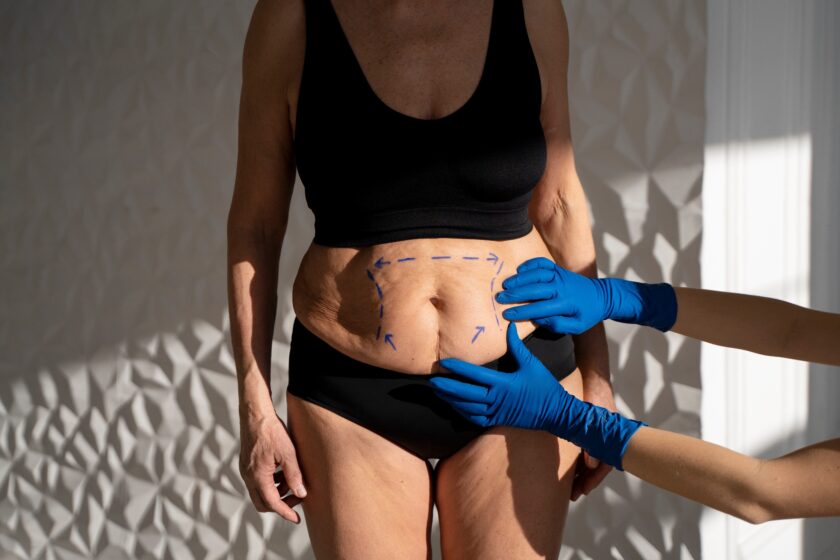
After weight loss surgery, sagging is not always uniform. Patients often notice excess skin in specific regions such as
- Abdomen hanging skin or an apron effect
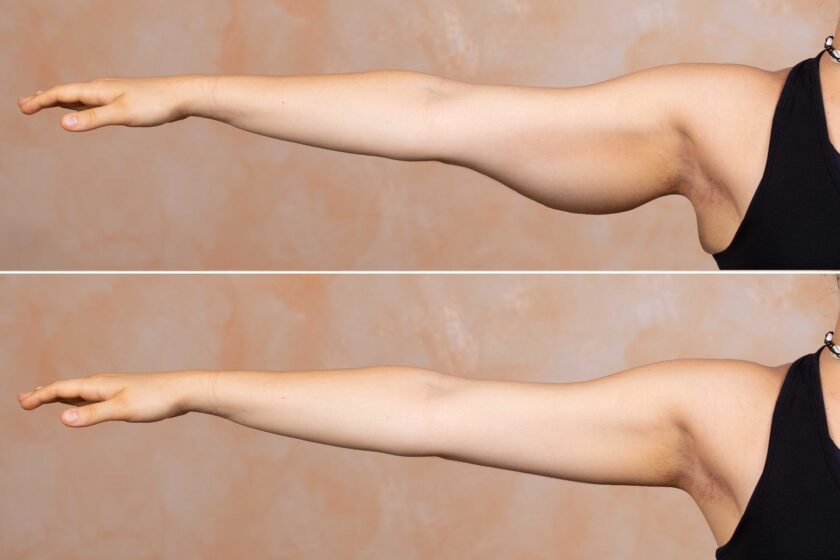
- Upper arms commonly known as bat wings
- Thighs inner and outer thigh sagging
- Chest and breasts loss of firmness and volume
- Face and neck sagging cheeks and jowls
Can loose skin be prevented?
While it is not always possible to completely prevent loose skin, there are strategies that can minimize its severity
- Maintain hydration Drinking enough water supports skin elasticity.
- Eat a protein-rich diet Adequate protein intake promotes collagen production.
- Take vitamins and minerals Nutrients such as vitamin C, vitamin E, and zinc help skin repair.
- Strength training Building muscle mass supports the skin and improves body contour.
- Gradual weight loss Although bariatric surgery often leads to rapid weight reduction, maintaining a steady pace allows the skin to adapt more effectively.
Non-surgical treatments for loose skin
Patients often seek less invasive ways to improve their skin appearance after bariatric surgery. Some of the most effective non-surgical methods include
- Radiofrequency skin tightening stimulates collagen and firms loose areas.
- Ultrasound therapy penetrates deep layers to enhance skin elasticity.
- Laser treatments encourage natural skin regeneration.
- Topical creams with retinoids or hyaluronic acid may offer mild improvements.
Surgical solutions for excess skin
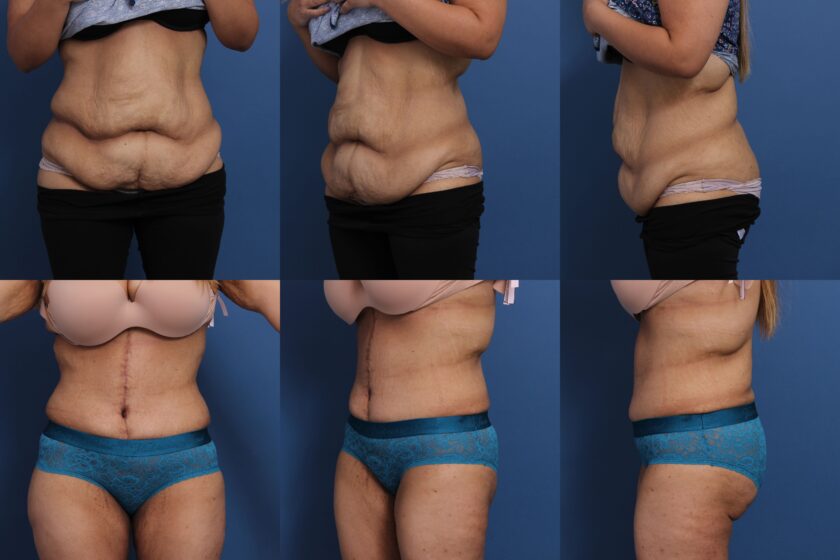
For individuals with significant sagging, body contouring surgery may be the most effective option. These procedures remove extra skin and reshape the body. Common surgeries include
- Abdominoplasty also known as a tummy tuck, focuses on the stomach area.
- Brachioplasty targets loose skin on the arms.
- Thigh lift improves the contour of the thighs.
- Breast lift restores shape and firmness.
- Lower body lift addresses multiple areas at once for dramatic results.
Health benefits of removing excess skin
Excess skin is not only a cosmetic concern but can also impact physical health. Removing loose skin through body contouring can
- Reduce skin irritation and infections in skin folds
- Improve mobility and physical activity
- Increase comfort during exercise
- Boost self-confidence and body image
- Enhance hygiene and overall quality of life
Psychological impact of loose skin
The journey after weight loss surgery is both physical and emotional. While patients often celebrate their reduced weight and improved health, sagging skin can sometimes affect confidence and body satisfaction. Counseling, support groups, and connecting with others who have undergone similar experiences can provide motivation and emotional balance during the adjustment period.
Will everyone develop loose skin?
Not all patients will experience the same level of sagging after bariatric surgery. Some may have minimal changes that do not bother them, while others might need medical or surgical intervention. The outcome depends heavily on personal health factors, age, and long-term lifestyle habits. With proactive care, many patients can reduce the visibility of loose skin and still enjoy the dramatic benefits of their weight loss transformation.
Cost considerations for skin removal surgery
For patients considering skin removal surgery, the cost varies depending on the type of procedure, the surgeon’s expertise, and the country where the treatment is performed. In the United States and the United Kingdom, costs can range from 5,000 to 15,000 USD depending on the area treated. However, many patients choose to travel to countries like Turkey, where medical tourism offers high-quality care, board-certified surgeons, and more affordable packages, often at half the price compared to Western countries.
Recovery after skin removal procedures
Recovery timelines depend on the type of body contouring surgery performed. Most patients return to normal activities within 2 to 4 weeks, although complete healing may take several months. Following post-surgery care instructions, wearing compression garments, and avoiding heavy physical activity are essential for optimal recovery.
Conclusion
Experiencing loose skin after weight loss surgery is a common but manageable part of the transformation process. Factors such as age, genetics, and the amount of weight lost all play a role in determining skin elasticity. While lifestyle changes, hydration, and non-invasive treatments can help, many patients with significant sagging benefit most from surgical solutions. For those seeking both affordability and expertise, skin removal surgery in Turkey is an attractive option, combining international medical standards with cost-effective care. No matter the approach, the ultimate goal remains the same achieving improved health, confidence, and a better quality of life after weight loss surgery.