
Gastric Sleeve surgery is often described as a powerful turning point rather than a magic trick. For many people, it can support meaningful weight loss, improved mobility, and better control of obesity-related conditions. Yet not every journey follows the same script. Sometimes a Gastric Sleeve may not deliver the expected results, or it may work well at first and then seem to lose momentum over time. In those cases, the idea of revision surgery can enter the conversation not as a failure badge, but as a clinical question worth exploring carefully.
At Dr. Caynak, this topic deserves a balanced and honest discussion. A “failed” sleeve gastrectomy does not always mean something went wrong in the operating room. It may refer to insufficient weight loss, substantial weight regain, troublesome reflux, changes in eating patterns, or anatomical issues that affect outcomes. The modern approach to bariatric revision is not about blame. It is about understanding why the original Gastric Sleeve is no longer meeting expectations and whether another procedure could provide a better long-term fit.
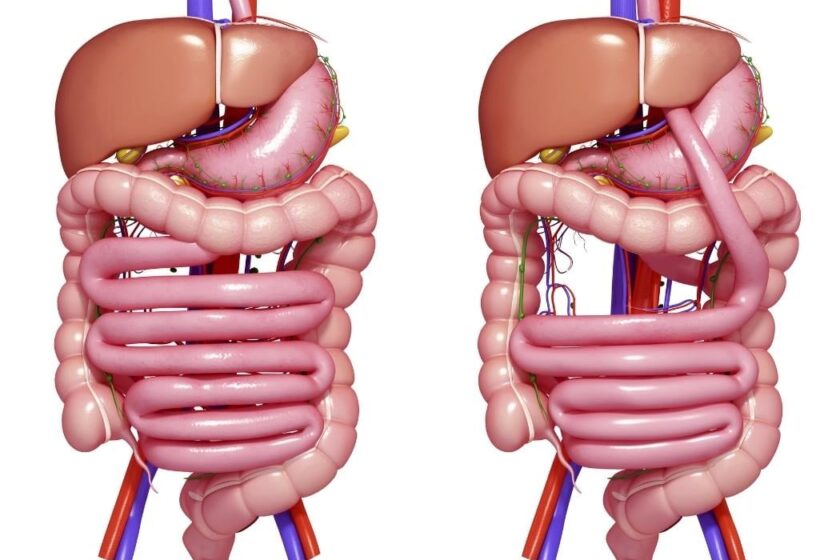
What Does a Failed Gastric Sleeve Really Mean?
The phrase failed Gastric Sleeve sounds dramatic, but in practice it is more nuanced. In bariatric medicine, “failure” may describe different scenarios. One person may lose less weight than anticipated. Another may initially do very well and later regain a significant amount. Someone else may maintain weight loss but struggle with severe reflux, vomiting, food intolerance, or a decline in quality of life. In short, a sleeve can be considered unsuccessful for metabolic, anatomical, or symptom-related reasons.
That is why revision surgery is rarely based on a single number on the scale. Surgeons and obesity specialists generally look at a wider picture: weight trajectory, eating tolerance, imaging findings, hormonal factors, behavioral patterns, medical history, and patient goals. A Gastric Sleeve may appear technically intact while the patient still experiences disappointing results. Conversely, a person may have some weight regain but no need for another operation if the overall health picture remains stable.
This broader definition matters because it changes the tone of the conversation. Instead of asking, “Why did the sleeve fail?” a more useful question may be, “What factors are shaping the current outcome?” That shift opens the door to better analysis and more individualized solutions.
Why Gastric Sleeve Results May Change Over Time
The long-term behavior of a Gastric Sleeve is influenced by biology, anatomy, lifestyle, and time itself. The stomach is reduced in size during sleeve gastrectomy, but the human body remains highly adaptive. Hunger hormones may change. Eating speed may increase. High-calorie liquids and soft foods may become easier to consume. Over months or years, these small shifts can dilute the restrictive effect that once felt dramatic.
Another possibility is anatomical change. In some patients, the sleeve may widen or stretch over time. This does not happen in a simple cartoon-like way, and it is not always the main cause of weight regain, but it can play a role. In other cases, technical details of the original surgery may matter. A larger remaining stomach pouch, a retained fundus, or issues related to hiatal hernia and reflux can influence how a Gastric Sleeve performs in the long run.
It is also important to remember that obesity is a chronic, relapsing condition. A sleeve gastrectomy is a tool, not a permanent override of metabolism. Research across bariatric procedures has consistently suggested that weight trajectories vary widely. Some patients experience excellent durability, while others face plateaus or regain despite strong effort. That variability is one reason revision surgery has become a recognized part of bariatric care rather than an unusual exception.
Signs That a Gastric Sleeve Revision May Be Worth Discussing
A revision is not automatically the next step whenever progress slows. Still, certain signs may justify a deeper evaluation. One of the most common is inadequate weight loss after the original operation. This can mean the expected health benefits never fully materialized, even after enough time has passed for the Gastric Sleeve to show its usual effect.
Another major sign is significant weight regain after initial success. Weight regain is common enough to be discussed openly, but the degree, timing, and impact matter. If regained weight is accompanied by worsening diabetes, sleep apnea, joint pain, or reduced daily function, the case for further assessment becomes stronger. Some patients also report that their portion sizes feel much larger than before, or that satiety no longer arrives in the same way.
Symptoms can be just as important as weight. Persistent reflux after Gastric Sleeve surgery is one of the most frequent reasons revision enters the conversation. For some patients, acid exposure becomes difficult to manage and begins to affect sleep, comfort, and the esophagus itself. Chronic nausea, vomiting, strictures, or a twisting of the sleeve can also create reasons to revisit the surgical plan.
Here are common clinical situations that may lead to revision discussions:
- Insufficient weight loss
- Significant weight regain
- Severe or persistent acid reflux
- Food intolerance or chronic vomiting
- Sleeve dilation or anatomical concerns on imaging
- Recurrence or persistence of obesity-related diseases
These signs do not automatically mean surgery is necessary. They simply suggest the original Gastric Sleeve may need a more detailed review.
How Doctors Evaluate a Gastric Sleeve Before Revision
Before discussing a second operation, specialists usually try to understand the full story behind the current result. This often begins with a detailed history. Patterns of weight loss, regain, eating tolerance, reflux symptoms, medication use, and previous test results all matter. The evaluation of a Gastric Sleeve revision is less like checking a single box and more like assembling a medical puzzle.
Imaging and endoscopy are often central to this process. An upper GI contrast study may help reveal sleeve shape, narrowing, dilation, twisting, or a hiatal hernia. Endoscopy can assess inflammation, ulcers, reflux-related changes, and anatomy from the inside. In some cases, nutritional blood work, psychological assessment, and endocrine review are also considered, especially when the reasons for poor outcome are not obvious.
The aim is not simply to decide whether the first Gastric Sleeve was “good” or “bad.” The real aim is to identify the mechanism behind the problem. If severe reflux is the issue, one type of revision may make more sense than another. If the main concern is weight regain without reflux, the decision pathway may look different. This tailored approach tends to produce more meaningful planning than a one-size-fits-all strategy.
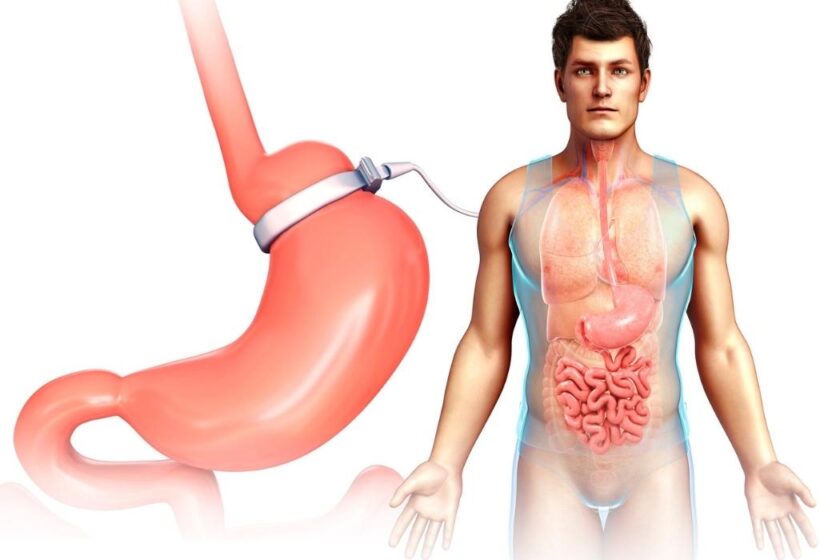
Revision Options After Gastric Sleeve Surgery
There is no universal revision procedure for every patient with a disappointing Gastric Sleeve outcome. The best-known option is conversion to gastric bypass. This is often discussed when reflux is prominent, because bypass can reduce acid exposure in ways that a sleeve may not. It may also be considered for inadequate weight loss or weight regain, particularly when metabolic goals remain unmet.
Another pathway may involve conversion to more malabsorptive procedures, such as duodenal switch or SADI-S in selected cases. These operations may offer stronger metabolic and weight-loss effects, but they also require careful nutritional follow-up and a thoughtful discussion of trade-offs. In some patients, re-sleeve surgery is considered, especially if imaging suggests meaningful sleeve dilation and reflux is not the dominant problem. Endoscopic techniques may also be explored in certain centers, though candidacy and long-term data can vary.
The table below summarizes common revision approaches after Gastric Sleeve:
| Revision Option | Often Considered For | Possible Advantages | Key Considerations |
| Conversion to Gastric Bypass | Reflux, weight regain, inadequate weight loss | May improve reflux and support further weight loss | More complex anatomy, long-term follow-up needed |
| Re-Sleeve | Enlarged sleeve, regained restriction concerns | Preserves sleeve-style anatomy | Not ideal for severe reflux |
| Conversion to Duodenal Switch / SADI-S | Significant weight regain, strong metabolic needs | Greater weight-loss potential | Higher nutritional monitoring demands |
| Endoscopic Revision | Select anatomy-related issues | Less invasive in some cases | Availability and durability may vary |
Choosing among these options is rarely just a surgical decision. It is a discussion about risk profile, eating patterns, reflux history, goals, and what kind of daily maintenance a patient is realistically prepared to manage.
Risks, Benefits, and Realistic Expectations After Gastric Sleeve Revision
Revision surgery can be helpful, but it is not a reset button wrapped in a miracle narrative. In general, revisional bariatric surgery is often more complex than a primary Gastric Sleeve procedure. Scar tissue, altered anatomy, and prior staple lines can make the technical landscape more demanding. Because of that, the conversation around revision usually includes a more detailed review of possible complications, recovery issues, and long-term commitments.
At the same time, revision may offer meaningful benefits in the right context. For some patients, conversion from Gastric Sleeve to bypass can reduce reflux significantly. For others, additional weight loss after revision may improve mobility, energy, and obesity-related conditions. The key word is “may.” Outcomes vary, and the most responsible approach avoids overpromising. Revision surgery can improve a situation, but it does not erase the biological and behavioral complexity that existed before.
Realistic expectations often include three ideas:
- Revision is a strategic adjustment, not proof of personal failure.
- Results depend on anatomy, metabolism, habits, and follow-up.
- The goal is usually better function and better health support, not perfection.
This kind of expectation-setting matters because disappointment often grows in the gap between surgical possibility and surgical mythology. A smart revision plan aims to narrow that gap.
Life After Gastric Sleeve Revision: What the Long-Term Picture May Look Like
The long-term experience after revising a Gastric Sleeve depends heavily on the type of revision performed. Nutritional needs may change. Tolerance for certain foods may improve or become more selective. Reflux patterns may shift. Follow-up appointments often become even more important, especially when the revision includes a bypass or a more malabsorptive component.
Patients considering revision often want to know a simple thing: “Will this finally work?” That is understandable, but long-term success is rarely a yes-or-no event. It is more like a series of trends. A revision may improve satiety, reduce reflux, or reintroduce momentum into weight loss. But maintaining those benefits usually depends on structured follow-up, nutritional monitoring, and an honest understanding of how the body adapts over time.
This is where experienced bariatric teams can add real value. A revisional strategy works best when it is not treated as a standalone operation but as part of a broader obesity-care framework. In that sense, the story of a Gastric Sleeve revision is not only about anatomy. It is also about continuity, support, and decision-making that stays grounded in evidence rather than wishful thinking.
Why Expertise Matters in Gastric Sleeve Revision Planning
Not all bariatric cases are straightforward, and revisional surgery is especially detail-sensitive. Evaluating a previous Gastric Sleeve requires familiarity with multiple procedural options, symptom patterns, and diagnostic tools. It also requires clinical judgment about when not to operate. In some cases, a thorough review may suggest that lifestyle, medication strategy, reflux management, or nutritional support deserve attention before surgery is reconsidered.
At Dr. Caynak, the value of expertise lies not only in technical skill but in interpretation. A patient with weight regain and no reflux may not be in the same category as a patient with severe reflux and modest regain. Two people can have the same original Gastric Sleeve and need very different next steps. Good revision planning respects that difference.
This is why second-step bariatric care should feel analytical rather than impulsive. The right question is not “What is the most aggressive procedure?” but “What option makes the most sense for this anatomy, this symptom profile, and this long-term goal?” That mindset tends to produce better decisions and more trustworthy care.
When a Gastric Sleeve Needs a Second Look
A Gastric Sleeve can be an effective bariatric procedure, but effectiveness is not guaranteed forever, and outcomes are not identical for everyone. When weight loss is inadequate, regain becomes substantial, or reflux begins to dominate daily life, revision surgery may become a reasonable topic to explore. The most important step is not rushing into a second procedure. It is understanding why the current result no longer feels sufficient.
The idea of a failed Gastric Sleeve should be approached with precision rather than drama. Sometimes the issue is anatomy. Sometimes it is metabolism. Sometimes it is symptom burden. And sometimes it is a combination of all three. By evaluating those factors carefully, patients and surgeons can move from frustration to a more informed plan. At Dr. Caynak, that kind of thoughtful, evidence-aware discussion is the right place to begin.