
Revisional Bariatric Surgery often enters conversations the moment people begin wondering why their initial metabolic procedure no longer produces the same effects. In many clinical narratives, this concept appears when long term outcomes shift, expectations evolve or the body adapts in ways that surprise both patients and researchers. Because the topic blends anatomy, behavior and biomechanics, it invites a detailed look at why a secondary intervention might be considered and how its role continues to expand within scientific discussions.
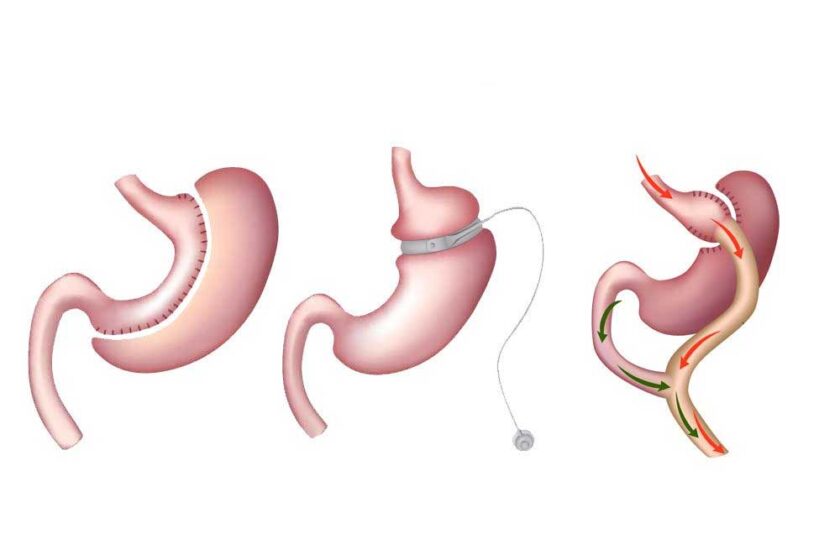
Understanding Why Revisional Bariatric Surgery Gains Attention
The subject of Revisional Bariatric Surgery becomes especially compelling when researchers analyze how the digestive system adapts after the first operation. While primary procedures often reshape appetite cues and nutrient handling patterns, some individuals notice that these internal rhythms change over time. This does not necessarily indicate failure. Instead, it points toward the remarkable adaptability of the body.
In scientific discussions, secondary procedures are frequently examined through the lens of long term metabolic variation. Some studies highlight how shifts in dietary habits, microbiome transitions or hormonal adjustments may contribute to altered outcomes. These findings emphasize that digestive interventions operate within a dynamic biological environment rather than a fixed one.
When Revisional Bariatric Surgery Emerges as a Research Topic
The phrase Revisional Bariatric Surgery appears regularly in academic papers exploring anatomical modification. Researchers sometimes observe that variations in initial surgical technique, lifestyle evolution or physiological adaptation can lead to circumstances where a second operation is considered. Although the reasons differ widely, the common thread is the search for improved metabolic harmony.
Insights from observational studies often point to three broad categories of inquiry:
- How structural changes influence nutrient passage over long periods.
- Why certain individuals adapt rapidly while others experience slower shifts.
- Which internal signals become stronger or weaker as time progresses.
These categories do not result in definitive medical advice but instead reveal a scientific landscape filled with nuance. Each case contributes to a deeper understanding of how the digestive system reorganizes itself after structural intervention.
The Evolving Concept of Revisional Bariatric Surgery in Academic Analysis
Across research communities, Revisional Bariatric Surgery is often framed not as a corrective measure but as part of a broader adaptation story. Some investigators describe the body as a constantly recalibrating system. They explore how hormonal pulses, neural cues and nutrient interactions form layered feedback loops. When these loops shift, the discussion of secondary intervention becomes scientifically relevant.
Academic literature highlights two recurring observations. First, metabolic pathways appear more flexible than previously assumed. Second, digestive anatomy interacts with behavior in complex ways that influence long term patterns. These insights encourage continued exploration of how revisional procedures fit into the larger metabolic puzzle.
How Revisional Bariatric Surgery Fits Into Long Term Metabolic Patterns
The ongoing study of Revisional Bariatric Surgery frequently connects with research exploring how metabolic systems evolve over time. Many scientific observations suggest that the body continually negotiates its internal environment, adapting to variables such as nutrient exposure, hormonal rhythms and everyday lifestyle pressures. When these adaptations move in directions that diverge from the anticipated path after an initial operation, the concept of revisional intervention begins to attract analytic attention.
Researchers often describe how metabolic rhythms reorganize in stages. Early shifts in enzyme activity or nutrient signaling may eventually settle into new patterns that reflect the individual’s physiology more closely than the original post operative state. This gradual recalibration helps explain why long term studies place considerable emphasis on the body’s ability to change in ways that are not always predictable. In this context, secondary procedures become part of a broader scientific dialogue rather than a simple corrective measure.
Behavioral Influences Surrounding Revisional Bariatric Surgery
Another key component of the conversation surrounding Revisional Bariatric Surgery involves patterns in behavioral biology. Eating behavior is not fixed; it responds to internal cues, emotional states and environmental shifts. Over time, changes in food preferences, hunger perception and satisfaction levels may emerge as subtle but meaningful influences on metabolic stability. These internal recalibrations can reshape how individuals interpret their experiences with the initial procedure.
Qualitative accounts provide an additional layer of detail. Some individuals report heightened sensitivity to certain flavors or textures, while others describe shifting appetite rhythms that gradually reshape their relationship with meals. These narratives, combined with clinical measurements, offer a more complete understanding of why revisional procedures sometimes enter the discussion. The focus is not on assigning error to the first operation but on understanding the evolving connection between biology and behavior.
Comparative Perspectives on Revisional Bariatric Surgery
Within broader bariatric research, Revisional Bariatric Surgery frequently appears in comparative evaluations that examine how different surgical approaches influence long term outcomes. Each technique carries its own structural logic, and the body responds uniquely to these configurations. This creates a wide field for researchers who assess how the characteristics of various operations interact with diverse physiologies.
Comparative studies often highlight distinctions in nutrient processing, hormonal pacing and digestive flow. As these variables shift, so do the experiences of individuals who underwent different types of procedures. Some methods appear to align more naturally with specific metabolic profiles, while others reveal patterns that change significantly over time. When early expectations do not match later developments, secondary operations become part of the conversation, offering researchers additional insight into how the digestive system adapts.
Internal Systems and Revisional Bariatric Surgery
The scientific discussion surrounding Revisional Bariatric Surgery also involves the coordination of internal systems that respond collectively to digestive modification. The interplay between hormones, neural pathways, digestive enzymes and microbial populations creates a network of continuous communication. When the digestive architecture changes, the signals within this network can shift in unexpected ways, prompting researchers to investigate how the body negotiates new internal conditions.
Academic interest frequently centers on how satiety signals recalibrate after changes in nutrient flow or how microbial communities reorganize when their environment is altered. Long term studies often suggest that the body’s responses are not immediate or uniform but unfold through a series of adjustments that reflect its attempt to maintain internal balance. These observations reinforce the idea that revisional procedures provide a deeper window into systemic adaptation rather than serving solely as mechanical solutions.
System Level Adaptation and the Broader Context of Revisional Bariatric Surgery
Scientific discussions around Revisional Bariatric Surgery often evolve into examinations of how multiple internal systems adjust when digestive architecture is altered a second time. The human body operates through a network of interdependent processes, and any modification to nutrient pathways can create ripple effects across hormonal communication, neural signaling and microbial balance. When researchers study these system level responses, they frequently describe a dynamic environment in which the body experiments with new ways of maintaining equilibrium.
Long term observations often reveal that internal feedback loops evolve gradually rather than abruptly. Hormonal pulses may shift in their timing, digestive rhythms may adjust to the rerouted pathway and neural circuits involved in appetite interpretation may recalibrate as the body learns to interpret new biochemical cues. These gradual changes contribute to a deeper understanding of why revisional procedures become relevant in certain circumstances. They highlight the complexity of metabolic adaptation and the continuous dialogue between biological systems.
Metabolic Variability and the Role of Revisional Bariatric Surgery
Another theme that frequently emerges in long range research on Revisional Bariatric Surgery is the concept of metabolic variability. Metabolism is not a fixed trait; it shifts over months and years as the body responds to stress levels, diet composition, microbiome evolution and natural biological cycles. When outcomes after an initial operation diverge from expected trajectories, researchers sometimes observe metabolic patterns that call for re evaluation. This academic perspective does not frame revisional operations as failures but as opportunities to better understand the nuances of metabolic behavior.
Several observational studies note that the body may develop new preferences for nutrient use, altering the way it prioritizes energy distribution. Some individuals describe differences in how they sense hunger or fullness, while others report shifts in meal timing that seem to align with new metabolic signals. These experiences add depth to scientific analysis, bridging quantitative data with lived physiological feedback. By combining these forms of evidence, researchers gain a fuller picture of how secondary procedures fit into the broader metabolic landscape.
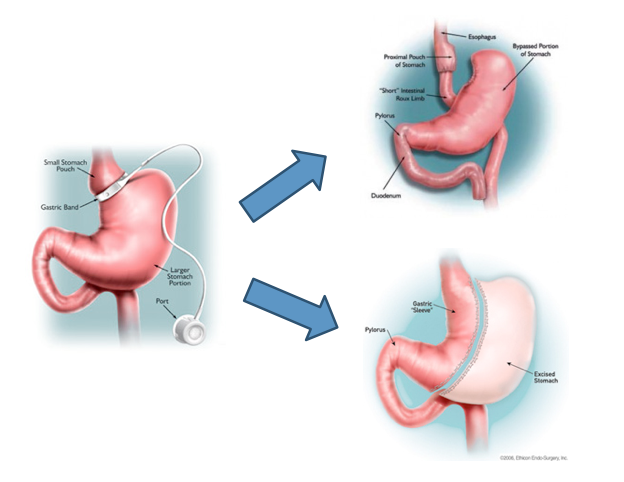
Digestive Adaptation and the Continuing Relevance of Revisional Bariatric Surgery
Digestive adaptation forms a crucial part of the academic conversation surrounding Revisional Bariatric Surgery. The digestive tract is not a passive structure; it actively participates in nutrient sensing, hormone production and signaling to the central nervous system. When its architecture changes, its functions often evolve in response. Secondary procedures highlight this adaptability by offering researchers a chance to observe shifts in enzyme exposure, absorption tendencies and microbial behavior within altered pathways.
Many analyses point out that the digestive system can adjust over time in ways that differ significantly from early post operative patterns. The body’s ability to modify enzyme activity or enhance certain absorptive functions demonstrates its constant negotiation with internal needs. This ongoing adaptation provides fertile ground for scientific study, encouraging experts to continue exploring how revisional operations fit into the long term physiological narrative.
Why Revisional Bariatric Surgery Remains a Topic of Academic Interest
The sustained academic interest in Revisional Bariatric Surgery reflects its ability to illuminate how the human body responds to complex internal changes. Rather than offering definitive answers, the collective research forms a mosaic of insights drawn from endocrinology, neurology, behavioral science, microbiology and surgical analysis. This diversity of perspectives enriches scientific understanding and enhances the clarity of long term metabolic studies.
Researchers often describe the method as a gateway to questions rather than conclusions. How do microbial ecosystems evolve when nutrient delivery changes more than once. In what ways do neural pathways recalibrate after repeated shifts in digestive flow. How does energy expenditure adapt to long term variations in nutrient processing. These questions drive continued exploration, placing revisional procedures at the intersection of multiple scientific disciplines. As long as these inquiries remain active, the topic will continue to inspire curiosity within research communities.