
Body Mass Index (BMI) has become a central metric when assessing candidates for bariatric surgery. Understanding which BMI thresholds qualify individuals is essential not only for patients considering surgical interventions but also for healthcare providers seeking evidence-based guidance. This article explores the science, guidelines, and nuances behind BMI requirements for bariatric surgery, providing a thorough and insightful perspective.
Understanding BMI and Its Role in Bariatric Surgery
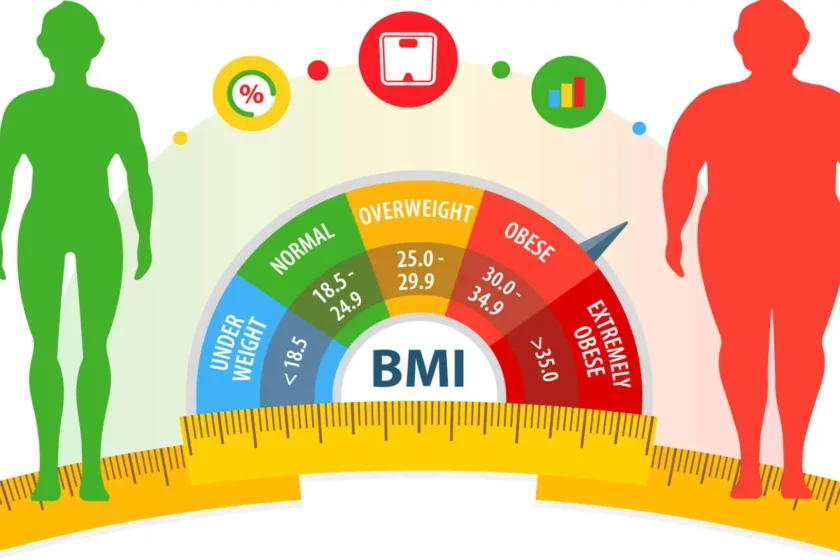
BMI is a standardized measure that compares a person’s weight relative to their height. It is calculated as weight in kilograms divided by the square of height in meters (kg/m²). While BMI does not directly measure body fat, it serves as a widely recognized indicator of obesity and related health risks.
For bariatric surgery, BMI is not just a number; it represents a criterion for eligibility. Research shows that individuals with higher BMI are at increased risk for comorbidities such as type 2 diabetes, cardiovascular disease, and sleep apnea. Therefore, determining the proper BMI threshold is a crucial step in evaluating surgical candidacy.
Standard BMI Thresholds for Bariatric Surgery
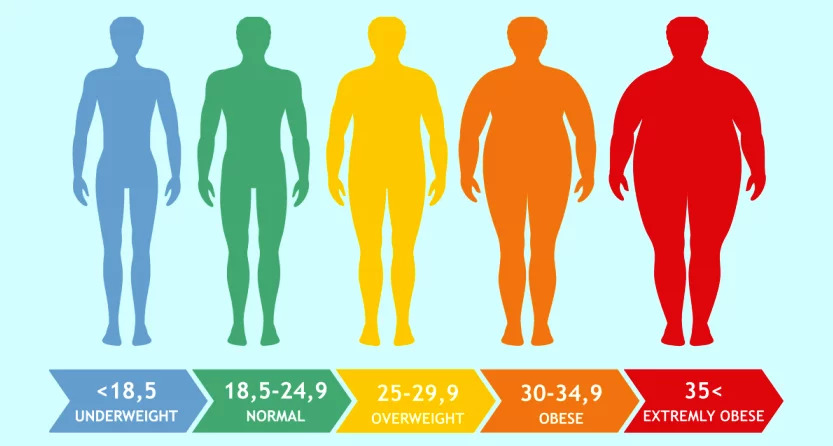
Globally, clinical guidelines recommend bariatric surgery for adults who meet the following BMI criteria:
- BMI ≥ 40 kg/m²: Severe obesity, regardless of comorbidities
- BMI 35–39.9 kg/m²: Obesity with serious obesity-related health conditions
- BMI 30–34.9 kg/m²: Considered in cases with uncontrolled metabolic disorders, primarily type 2 diabetes
These thresholds are derived from long-term outcome studies showing significant weight loss and improvement in comorbidities after surgery. Notably, the risk-benefit ratio changes depending on BMI, underlying health conditions, and age.
Table: BMI Thresholds and Surgical Considerations
| BMI Range (kg/m²) | Surgical Consideration | Typical Comorbidities |
| 30–34.9 | Select cases | Type 2 diabetes, metabolic syndrome |
| 35–39.9 | Standard indication | Hypertension, sleep apnea, dyslipidemia |
| ≥40 | Strong indication | Multi-system obesity-related diseases |
BMI vs. Other Obesity Metrics
While BMI is the primary screening tool for bariatric surgery, alternative metrics like waist circumference, body fat percentage, and visceral fat levels also contribute to eligibility assessment. Studies suggest that patients with elevated central obesity may face higher surgical risk even if their BMI is below standard thresholds.
Thus, an integrative approach that combines BMI with other body composition measures allows for more precise patient selection. This approach ensures that surgery is targeted to individuals most likely to benefit from it.
How Comorbidities Influence BMI Eligibility
BMI alone does not dictate surgical eligibility. Comorbid conditions such as type 2 diabetes, obstructive sleep apnea, and hypertension can lower the BMI threshold for surgery. For instance, a patient with a BMI of 32 and poorly controlled type 2 diabetes may be considered a suitable candidate for bariatric surgery, whereas another individual with the same BMI but no comorbidities may not qualify.
This nuanced approach underscores the importance of evaluating both BMI and medical history. Surgeons must weigh the potential benefits of weight reduction against operative risks and long-term outcomes.
Age, Gender, and BMI Considerations
Eligibility based on BMI can also be influenced by age and gender. Older patients may have higher surgical risks, requiring more conservative BMI cutoffs. Conversely, younger adults with high BMI and severe comorbidities may experience substantial health benefits post-surgery.
Gender differences are also observed. Some studies report that women with lower BMI but significant metabolic issues might be more responsive to bariatric procedures compared to men with similar BMI. Hence, personalized assessment remains critical in surgical decision-making.
Types of Bariatric Surgery and BMI Criteria
Different bariatric procedures may have slightly varied BMI requirements. The most common surgeries include:
- Roux-en-Y Gastric Bypass (RYGB): Standard BMI ≥35 with comorbidities or ≥40 without comorbidities
- Sleeve Gastrectomy: Increasingly favored, eligible for BMI ≥35 with comorbidities or ≥40 otherwise
- Adjustable Gastric Banding: Typically reserved for BMI ≥35; less common today due to long-term complications
The choice of procedure depends on BMI, comorbidity profile, and patient preference. Clinical studies suggest that higher BMI patients may experience more significant absolute weight loss with bypass compared to restrictive procedures like banding.
Long-Term Outcomes Related to BMI
Long-term research indicates that BMI at the time of surgery correlates with postoperative outcomes. Patients with BMI ≥40 often achieve substantial weight loss but may face a longer recovery and higher risk of complications. Meanwhile, those with BMI 35–39.9 generally experience improved metabolic health, reduced medication dependency, and enhanced quality of life.
Interestingly, some studies report that even patients with BMI <35 who undergo surgery for metabolic reasons achieve meaningful health improvements, highlighting the importance of individualized evaluation.
Preparing for Bariatric Surgery Beyond BMI
While BMI is crucial, preparation extends beyond this metric. Candidates often undergo:
- Comprehensive medical evaluation
- Nutritional counseling
- Psychological assessment
- Lifestyle modification programs
These steps ensure that surgery complements long-term health goals rather than serving as a standalone solution. Clinicians emphasize that achieving sustainable results depends on adherence to dietary and lifestyle changes postoperatively.
Challenges and Controversies Around BMI Thresholds
Despite widespread use, BMI has limitations. It does not distinguish between lean mass and fat mass, potentially misclassifying muscular individuals as obese. Furthermore, ethnic variations in body composition suggest that standardized BMI thresholds may not apply universally. For example, some Asian populations may develop obesity-related complications at lower BMI values.
Ongoing research seeks to refine eligibility criteria, combining BMI with metabolic markers and genetic profiles to optimize patient selection.
The Role of BMI in Surgical Eligibility
BMI remains a cornerstone in determining eligibility for bariatric surgery, serving as both a screening tool and a risk stratification metric. While standard thresholds provide a guideline, comprehensive evaluation including comorbidities, age, gender, and body composition ensures personalized decision-making.
Ultimately, understanding the science behind BMI and its interplay with surgical outcomes empowers patients and clinicians to make informed, evidence-based choices. As research advances, the integration of metabolic health markers with BMI promises even more precise eligibility criteria, enhancing the long-term benefits of bariatric interventions.