
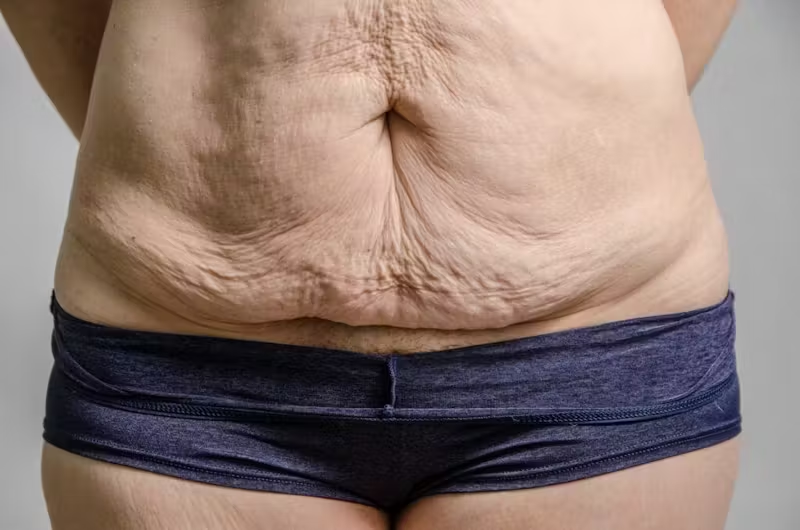
Bariatric Surgery and Loose Skin is a common concern for patients who have undergone significant weight loss. While the procedure itself transforms health and quality of life, the aftermath can sometimes include sagging or excess skin. Understanding when skin removal may be appropriate requires an analysis of physiological changes, individual body composition, and the natural elasticity of skin. Research in dermatology and plastic surgery emphasizes that post-bariatric skin laxity is influenced by age, genetics, rate of weight loss, and the overall amount of weight lost.
Interestingly, loose skin does not always indicate a medical problem. For many patients, it is primarily an aesthetic issue, though it can occasionally contribute to hygiene difficulties, discomfort, or physical activity limitations. By examining the mechanisms behind skin sagging after weight loss, one can appreciate the nuanced balance between surgical success and post-operative body contouring considerations.
Understanding the Connection Between Bariatric Surgery and Loose Skin
When evaluating bariatric surgery and loose skin, it is crucial to consider the biological underpinnings. Skin, being a living organ composed of collagen and elastin fibers, naturally adjusts to changes in body mass. Rapid or significant weight loss can overwhelm this capacity, resulting in visible sagging. Studies in dermatologic science demonstrate that while younger skin often retracts more efficiently, older skin may retain more laxity due to diminished collagen synthesis.
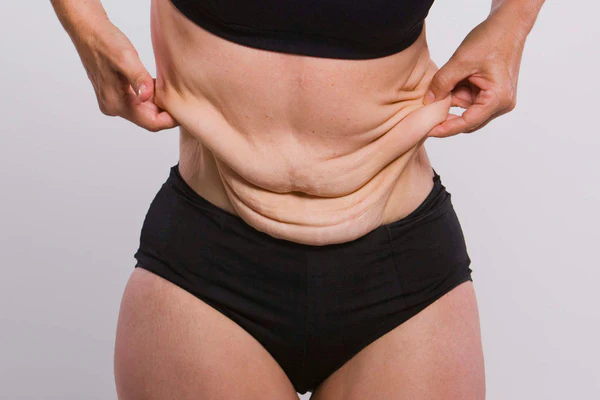
Furthermore, the distribution of loose skin is highly individualized. Areas commonly affected include the abdomen, arms, thighs, and neck. An understanding of tissue behavior, combined with photographic documentation and preoperative measurements, allows clinicians and patients to anticipate which regions may benefit most from corrective procedures. This connection emphasizes that post-bariatric loose skin is a predictable, rather than unusual, outcome of transformative weight loss.
When to Consider Skin Removal After Bariatric Surgery
The decision to proceed with skin removal following bariatric surgery and loose skin should be informed by multiple factors. Functional limitations, chronic irritation, or difficulty with hygiene are significant indicators that intervention may be warranted. Additionally, persistent psychological distress related to body image can justify consideration of body contouring procedures.
Medical literature outlines several criteria for timing skin removal:
- Weight Stability: Skin removal is ideally considered after weight plateau, generally 12–18 months post-surgery.
- Nutritional Health: Patients must have adequate protein and micronutrient levels to support wound healing.
- Physical Fitness: Sufficient muscle tone and cardiovascular health contribute to safer recovery.
- Realistic Expectations: Understanding the extent of improvement, potential scarring, and recovery duration is essential.
These elements collectively help determine when a patient may safely and effectively benefit from skin excision or contouring surgery, optimizing both aesthetic and functional outcomes.
Common Areas of Concern and Surgical Approaches
Bariatric surgery and loose skin often manifest in predictable anatomical regions. The abdomen is the most frequently cited area, where excess tissue can cause discomfort or hinder clothing fit. Lower body lifts, tummy tucks, and thigh lifts are tailored approaches designed to remove redundant skin while preserving natural body contours.
Upper body concerns, including loose arm or breast tissue, are also prevalent. Brachioplasty and mastopexy procedures can restore definition and improve symmetry. Scientific studies on post-bariatric body contouring indicate that combined procedures are sometimes more efficient, though staged surgeries may be recommended depending on patient health and tissue characteristics.
Psychological and Social Impacts of Loose Skin
The psychological dimension of bariatric surgery and loose skin is significant. While weight loss can improve self-esteem and reduce comorbidities, excess skin can paradoxically contribute to body dissatisfaction. Research in psychosocial medicine highlights that patients often experience social anxiety, reluctance to participate in physical activities, or feelings of incompleteness despite major weight loss achievements.
Social support, counseling, and patient education play critical roles in addressing these issues. Understanding that loose skin is a common outcome helps normalize the experience, while access to surgical options can provide reassurance that body contouring is a legitimate step in post-bariatric care.
Preparing for Post-Bariatric Skin Removal Surgery
Preparation for procedures targeting bariatric surgery and loose skin involves a multifaceted approach. Preoperative assessment includes evaluating skin quality, mapping areas of excess tissue, and reviewing the patient’s medical history. Imaging technologies and digital simulations can assist in planning the most effective surgical strategy.
Nutrition and lifestyle optimization are essential. Maintaining a balanced diet with adequate protein, vitamins, and minerals supports wound healing and tissue recovery. Moreover, regular physical activity enhances circulation and muscle tone, which can improve both surgical outcomes and long-term skin integrity.
Recovery and Healing After Skin Removal
Postoperative care is a critical phase when considering bariatric surgery and loose skin. Recovery protocols vary depending on the extent of surgery, patient age, and overall health. Typically, patients can expect a gradual return to normal activity over several weeks, with full healing potentially taking months. Studies indicate that proper wound care, compression garments, and gentle mobilization are key to reducing complications such as seromas, infection, or delayed healing.
Physical therapy may also support recovery, particularly for patients who have undergone extensive body contouring. Strengthening underlying muscles can help the skin adapt better to its new contours, promoting both functional improvement and aesthetic satisfaction. Patient adherence to postoperative guidelines has been consistently correlated with higher satisfaction rates in clinical research.
Risk Factors and Considerations in Skin Removal
When evaluating bariatric surgery and loose skin, understanding the associated risks is essential. Although body contouring surgeries are generally safe, potential complications include bleeding, scarring, infection, and delayed wound healing. Factors that increase risk include smoking, uncontrolled diabetes, and deficiencies in protein or micronutrients.
Surgeons often employ risk stratification tools to guide preoperative planning. For example, patients with a history of rapid weight loss, extreme obesity, or prior abdominal surgeries may require staged procedures or additional monitoring. Research in plastic surgery emphasizes that individualized planning significantly reduces complication rates and enhances long-term outcomes.
Non-Surgical Alternatives and Adjuncts
While bariatric surgery and loose skin often necessitate surgical intervention, there are non-surgical strategies that can complement or partially improve skin laxity. These include:
- Strength training and resistance exercises to build underlying muscle tone.
- Skin hydration and topical treatments aimed at improving elasticity.
- Minimally invasive procedures such as radiofrequency or ultrasound therapy that stimulate collagen production.
Although these approaches may not achieve the dramatic results of excisional surgery, they can enhance skin quality and reduce the extent of tissue removal required. Integrating non-surgical methods with surgical planning may optimize aesthetic outcomes and patient satisfaction.
Long-Term Outcomes and Patient Satisfaction
Long-term studies on bariatric surgery and loose skin indicate that body contouring can significantly improve quality of life, physical comfort, and psychological well-being. Patients who undergo skin removal after reaching weight stability often report enhanced confidence, improved clothing fit, and greater ease in physical activity.
Interestingly, research also suggests that satisfaction correlates strongly with realistic expectations. Patients who understand the trade-offs such as scarring and recovery duration tend to report higher contentment. This underscores the importance of thorough preoperative counseling and patient education in achieving positive long-term outcomes.
Cost and Insurance Considerations
Another important aspect of bariatric surgery and loose skin is the financial dimension. Body contouring procedures can be expensive, and coverage varies widely by insurance provider. In some cases, surgery may be partially covered if functional impairments, such as skin irritation or hygiene difficulties, are documented.
Patients are advised to obtain detailed preauthorization and consult with both their insurance company and surgical team. Understanding potential out-of-pocket costs, payment plans, and coverage criteria can prevent unexpected financial burdens and ensure a smoother treatment process.
Integrating Lifestyle for Optimal Results
Maintaining results after bariatric surgery and loose skin removal requires long-term lifestyle integration. Balanced nutrition, regular exercise, and consistent skin care contribute to the durability of surgical outcomes. Scientific literature emphasizes that even after skin excision, weight fluctuations can affect contour and may necessitate minor revisions in the future.
Moreover, adopting healthy habits supports overall well-being, including cardiovascular health, metabolic function, and musculoskeletal strength. By combining surgical intervention with sustainable lifestyle practices, patients can maximize both aesthetic and functional benefits, leading to lasting satisfaction and improved quality of life.
Final Considerations in Bariatric Surgery and Loose Skin
The final considerations in bariatric surgery and loose skin revolve around individual patient goals and holistic well-being. After significant weight loss, many patients find that excess skin, while medically harmless, can influence self-image and daily comfort. Addressing this concern through skin removal surgery is not purely cosmetic it often improves mobility, reduces friction or irritation in skin folds, and allows patients to engage more confidently in physical and social activities. Researchers in plastic surgery highlight that the timing of intervention, usually after reaching a stable weight, maximizes the benefits while minimizing the risk of complications.
Recovery and Long-Term Maintenance
Recovery experience and long-term maintenance are critical factors when considering bariatric surgery and loose skin. Patients undergoing body contouring typically follow a structured postoperative plan that includes wound care, nutritional support, and gradual resumption of physical activity. Clinical studies show that adherence to these protocols correlates strongly with satisfaction rates, improved functional outcomes, and reduced complications such as seromas or delayed healing. Combining surgical precision with patient education ensures that the results of skin removal complement the dramatic health improvements achieved through bariatric surgery.
Psychological Benefits of Skin Removal
The psychological impact of bariatric surgery and loose skin removal should not be underestimated. Research indicates that body contouring can significantly enhance self-esteem, body image, and overall quality of life. Many patients report a renewed sense of confidence, which in turn motivates them to maintain healthy lifestyle habits. By addressing both the physical and emotional aspects of loose skin, surgical intervention aligns with the broader goals of bariatric treatment, creating a holistic approach to transformation.
Limitations and Lifestyle Considerations
Understanding the scope and limitations of surgery is essential. While bariatric surgery and loose skin removal can dramatically improve appearance and function, it is not a substitute for continued weight management. Maintaining a balanced diet, consistent exercise, and adequate hydration is essential to preserving the results. Scientific research demonstrates that skin elasticity and tissue integrity continue to evolve with age, emphasizing the importance of lifestyle integration to sustain long-term benefits.
Financial Aspects and Accessibility
Cost and accessibility are also important factors in planning for bariatric surgery and loose skin procedures. Body contouring surgeries may be partially covered by insurance if medical necessity is documented, but many patients encounter out-of-pocket expenses. Planning ahead with financial counseling, understanding coverage criteria, and considering staged procedures can help navigate these challenges effectively. Transparency and patient empowerment in this aspect contribute to better overall satisfaction and reduce stress during the recovery process.
Science, Aesthetics, and Holistic Well-Being
Finally, the interplay between science, aesthetics, and personal well-being underscores the significance of bariatric surgery and loose skin management. From understanding tissue mechanics and surgical techniques to addressing psychosocial factors and lifestyle integration, patients gain a comprehensive framework for informed decision-making. By carefully evaluating timing, surgical options, and postoperative care, individuals can achieve a harmonious balance between health, appearance, and quality of life, ensuring that the transformative journey initiated by bariatric surgery is both complete and enduring.