
Bariatric surgery has emerged as a transformative approach not only for weight management but also for its potential impact on metabolic disorders, including type-2 diabetes. Over the past two decades, research has increasingly highlighted how surgical interventions on the digestive system may influence glucose regulation and insulin sensitivity. In this article, we explore the relationship between bariatric surgery and type-2 diabetes, examining mechanisms, clinical outcomes, and what current science suggests about its long-term effectiveness.

Understanding Bariatric Surgery and Its Types
Bariatric surgery encompasses a range of procedures designed to reduce body weight by altering the digestive tract. The most common types include:
- Roux-en-Y Gastric Bypass (RYGB) – reduces stomach size and reroutes the small intestine.
- Sleeve Gastrectomy – removes a large portion of the stomach, leaving a narrow sleeve.
- Adjustable Gastric Banding – places a band around the upper stomach to limit intake.
- Biliopancreatic Diversion with Duodenal Switch (BPD/DS) – a more complex procedure altering both stomach and intestines.
Each procedure has distinct physiological effects, influencing appetite, nutrient absorption, and hormonal pathways linked to glucose metabolism. Studies indicate that bariatric surgery can result in significant improvements in glycemic control, often preceding substantial weight loss, suggesting mechanisms beyond simple calorie reduction.
Mechanisms Behind Diabetes Improvement
Researchers have identified several biological processes through which bariatric surgery impacts type-2 diabetes:
- Hormonal Modulation: Procedures like RYGB alter gut hormone secretion, notably GLP-1, which enhances insulin secretion and reduces glucagon production.
- Insulin Sensitivity: Post-surgical changes often improve peripheral tissue response to insulin, reducing blood sugar levels.
- Gut Microbiota Changes: Emerging studies suggest shifts in intestinal bacteria may contribute to improved metabolism.
Interestingly, some patients experience normalization of blood sugar within days after surgery, long before significant weight loss occurs. This rapid improvement indicates that metabolic effects are not solely due to reduced fat mass but also involve intricate hormonal and neurological pathways.
Evidence from Clinical Studies
Multiple clinical trials have evaluated the efficacy of bariatric surgery in reversing type-2 diabetes:
- The STAMPEDE trial (2012) compared intensive medical therapy alone versus medical therapy combined with RYGB or sleeve gastrectomy. Results showed that nearly 40% of patients who underwent surgery achieved complete diabetes remission, compared to only 5% in the non-surgical group.
- Long-term follow-ups indicate that remission can persist for over a decade, though relapse is possible, particularly if weight is regained.
These findings underscore the potential of bariatric surgery not merely as a weight-loss solution but as a metabolic intervention capable of fundamentally altering the trajectory of type-2 diabetes.
Impact on Medications and Quality of Life
Beyond glucose control, bariatric surgery often reduces the need for diabetes medications. Patients frequently report improvements in energy, physical activity, and overall quality of life. For many, this translates to fewer complications associated with diabetes, such as neuropathy, cardiovascular risk, and kidney disease.
Weight reduction also enhances mobility and reduces comorbid conditions like hypertension and sleep apnea, indirectly contributing to better metabolic outcomes. Importantly, these benefits are not guaranteed for every patient; lifestyle adherence and regular follow-up remain critical for sustaining positive results.
Post-Surgery Effects on Type-2 Diabetes
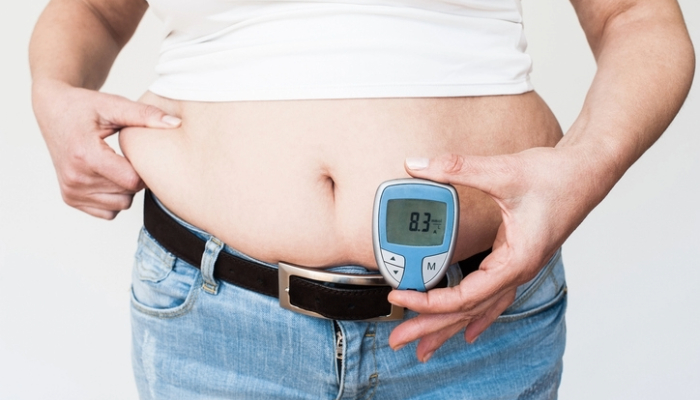
After undergoing bariatric surgery, patients often observe remarkable changes in blood sugar regulation. Research indicates that early improvements in glycemic control are linked to hormonal shifts rather than immediate weight loss. For instance, incretin hormones rise rapidly post-surgery, enhancing insulin secretion and improving beta-cell function.
Patients may experience:
- Reduced fasting glucose levels
- Lowered HbA1c values
- Decreased reliance on insulin or oral hypoglycemic drugs
These effects can appear within days to weeks, highlighting the unique metabolic influence of bariatric surgery beyond calorie restriction. However, outcomes vary, and ongoing monitoring remains essential to ensure sustained benefits.
Risks and Considerations of Bariatric Surgery
While the potential benefits for type-2 diabetes are significant, bariatric surgery carries inherent risks. Complications may include:
- Surgical site infections
- Nutrient deficiencies (iron, B12, calcium)
- Dumping syndrome (rapid gastric emptying causing nausea, diarrhea)
- Rare but serious risks like anastomotic leaks or pulmonary embolism
Additionally, not all patients achieve diabetes remission. Factors influencing outcomes include preoperative diabetes duration, age, BMI, and adherence to post-surgery dietary guidelines. A comprehensive evaluation by a multidisciplinary team is crucial to optimize results.
Long-Term Sustainability
Sustaining the benefits of bariatric surgery requires lifestyle modifications and consistent follow-up. Research shows that patients who maintain healthy eating habits, regular physical activity, and medical check-ups are more likely to experience prolonged diabetes remission.
Interestingly, studies suggest that early intervention with surgery—before severe pancreatic beta-cell deterioration—yields better long-term glycemic control. Patients should understand that bariatric surgery is a tool, not a cure, and ongoing care is critical.
Additional Benefits Beyond Diabetes
In addition to improving type-2 diabetes, bariatric surgery can positively impact:
- Cardiovascular health by lowering blood pressure and cholesterol
- Sleep quality by alleviating obstructive sleep apnea
- Joint health and mobility due to weight reduction
- Mental health, including improved mood and self-esteem
These cumulative benefits demonstrate that bariatric surgery functions as a holistic metabolic intervention, enhancing multiple aspects of well-being.
Future Perspectives and Research
Ongoing studies continue to explore how bariatric surgery may influence the mechanisms of diabetes reversal. Areas of interest include:
- Personalized surgical approaches based on genetic and metabolic profiles
- Combining surgery with novel pharmacological agents for enhanced remission rates
- Understanding gut microbiome alterations for targeted therapies
Such research highlights the evolving nature of metabolic surgery, promising more refined strategies for patients with type-2 diabetes.
Bariatric surgery represents a powerful intervention for patients with obesity and type-2 diabetes. Clinical evidence suggests that it can induce remission in a significant portion of patients, primarily through hormonal modulation, enhanced insulin sensitivity, and metabolic changes beyond mere weight loss. While surgery is not without risks, careful patient selection, multidisciplinary management, and long-term follow-up can maximize benefits.
For those exploring options to manage type-2 diabetes, understanding the potential of bariatric surgery offers a glimpse into a future where metabolic health can be profoundly improved.