
The Duodenal Switch Diet Plan is a critical component of life after duodenal switch (DS) surgery. This complex bariatric procedure combines restrictive and malabsorptive techniques, making nutrition management essential for maintaining health, energy, and long-term weight management. Understanding the intricacies of a Duodenal Switch Diet Plan not only helps in post-operative recovery but also ensures that patients receive essential nutrients that their bodies can no longer absorb efficiently on their own.

Understanding the Duodenal Switch Diet Plan
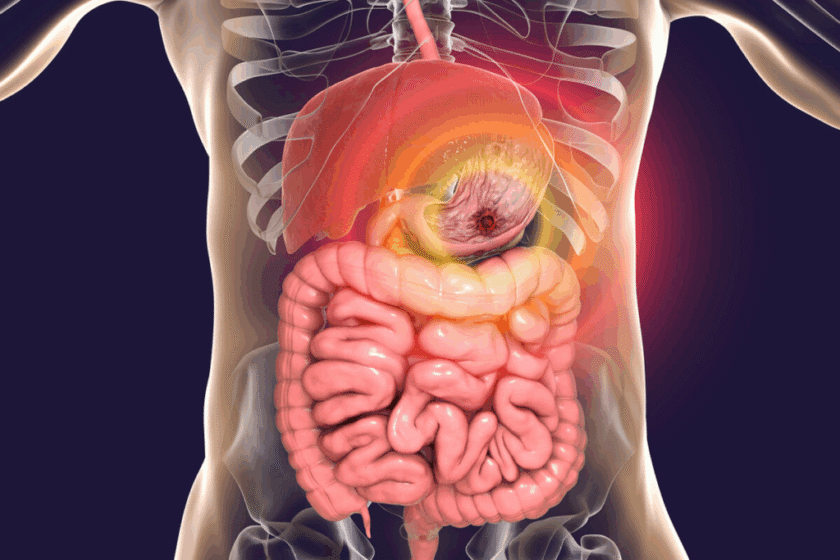
A Duodenal Switch Diet Plan is distinct from standard post-bariatric diets due to its unique combination of caloric restriction and nutrient malabsorption. After DS surgery, patients have a smaller stomach and a bypassed section of the small intestine, which limits nutrient absorption, particularly fats and fat-soluble vitamins.
The diet plan emphasizes high-quality protein, adequate healthy fats, and limited simple carbohydrates. Patients must adapt to smaller portion sizes while ensuring sufficient intake of essential nutrients. Studies show that following a structured Duodenal Switch Diet Plan can reduce post-operative complications and enhance long-term weight loss outcomes.
Protein: The Cornerstone of the Duodenal Switch Diet Plan
Protein intake is the backbone of any Duodenal Switch Diet Plan. With a significantly reduced stomach capacity, consuming enough protein is crucial for muscle preservation, wound healing, and overall energy balance.
Experts recommend targeting 90–120 grams of protein per day, sourced from lean meats, fish, eggs, and dairy. Protein supplements such as whey isolate or plant-based powders are commonly incorporated to meet daily requirements. Importantly, protein-rich foods should be consumed first in each meal to optimize absorption before fats and carbohydrates are introduced.
Fats and Fat-Soluble Vitamins in the Duodenal Switch Diet Plan
Due to the malabsorptive component of DS surgery, fat digestion is reduced. While healthy fats remain vital for energy and hormone regulation, patients must monitor their intake carefully.
Fat-soluble vitamins A, D, E, and K are at risk of deficiency post-surgery. A Duodenal Switch Diet Plan includes strategies to optimize absorption, such as consuming fats alongside fat-soluble vitamin supplements. Research indicates that patients adhering to these guidelines demonstrate better bone density, skin health, and immune function.
Carbohydrates and Fiber Considerations
While carbohydrates are limited in a Duodenal Switch Diet Plan, they still play a role in energy and digestive health. Simple sugars can lead to dumping syndrome and rapid weight regain, so complex carbohydrates like vegetables, whole grains, and legumes are preferred.
Fiber intake is essential but must be balanced with reduced intestinal length. Excess fiber can cause bloating, obstruction, or nutrient binding. A combination of soluble and insoluble fiber from vegetables and small portions of whole grains ensures gut motility without compromising nutrient absorption.
Lifelong Supplements: Maintaining Nutritional Balance
Lifelong supplementation is non-negotiable for DS patients. A comprehensive Duodenal Switch Diet Plan includes daily multivitamins, calcium with vitamin D, vitamin B12, iron, and essential fatty acids.
A typical supplement schedule might include:
| Supplement | Dosage | Notes |
| Multivitamin | 2–3 tablets/day | Ensures daily micronutrient coverage |
| Calcium citrate + Vitamin D | 1200–1500 mg/day | Divided doses for absorption |
| Vitamin B12 | 1000 mcg/day (sublingual or injection) | Prevents anemia and neurological issues |
| Iron | 45–60 mg/day | Taken separately from calcium |
| Omega-3 | 1000 mg/day | Supports cardiovascular health |
Adherence to this supplementation regimen is key to preventing long-term deficiencies that can affect bone, nerve, and blood health.
Meal Timing and Portion Management
Meal timing is a central element of a Duodenal Switch Diet Plan. Patients typically eat 4–6 small meals daily to maximize nutrient absorption and avoid discomfort. Protein should be prioritized in each meal, followed by fats and carbohydrates.
Portion control helps prevent nausea, dumping syndrome, and diarrhea. Chewing food thoroughly, drinking fluids between meals, and avoiding high-sugar snacks are all part of effective Duodenal Switch Diet Plan management. This approach allows the digestive system to function optimally despite reduced intestinal length.
Tracking Nutritional Status and Long-Term Health
Monitoring is an essential aspect of a successful Duodenal Switch Diet Plan. Routine blood tests for vitamin levels, iron, calcium, and protein status provide early warning signs of deficiencies. Periodic consultations with a dietitian or bariatric specialist ensure that the diet plan adapts to changing needs over time.
Patients who track their nutritional intake, maintain supplementation, and follow portion guidelines demonstrate sustained weight loss, higher energy levels, and fewer post-operative complications.
A well-structured Duodenal Switch Diet Plan is critical for lifelong health after DS surgery. Focusing on protein, carefully managed fats, complex carbohydrates, and a robust supplementation regimen ensures patients can thrive long-term. Meal timing, portion control, and ongoing monitoring round out this holistic approach. By understanding and following the principles outlined in this guide, individuals can navigate post-surgery nutrition with confidence and clarity.