
Embarking on a Gastric Sleeve journey is both exciting and transformative. The first year after surgery is a critical period, not just for weight loss but also for establishing sustainable dietary habits. A carefully structured Gastric Sleeve diet plan can help patients navigate these changes, ensuring proper nutrition while supporting gradual, healthy weight loss. Understanding what to eat, when, and how to adjust food textures is essential for a smooth transition from liquids to solid meals.

Understanding the Gastric Sleeve and Its Nutritional Implications
A Gastric Sleeve, or sleeve gastrectomy, reduces the stomach’s capacity by removing a large portion of it, creating a narrow sleeve. This surgical modification limits food intake and alters hunger-related hormones. Because the stomach can hold far less food, nutrient-dense meals become crucial.
The reduced stomach size means patients must prioritize protein, vitamins, and minerals over empty calories. Hydration is equally important, as the smaller stomach can only tolerate limited volumes at once. Studies have shown that Gastric Sleeve patients often require careful monitoring of micronutrients like vitamin B12, iron, calcium, and vitamin D during the first year.
The First Month: Liquid and Pureed Foods for Healing
Immediately after surgery, the diet is predominantly liquids. Clear broths, herbal teas, and sugar-free juices are encouraged. These foods ease digestion while preventing strain on the healing stomach.
As patients progress, pureed foods such as blended soups, yogurt, and mashed vegetables become staples. This stage ensures protein intake while maintaining gentle digestion. Evidence suggests that adherence to this phased approach reduces nausea, vomiting, and discomfort, making it an essential part of the Gastric Sleeve diet plan.
Transitioning to Soft Foods: Month Two to Three
Around weeks four to eight, patients can introduce soft foods. These include eggs, soft fish, tofu, and cooked vegetables. Textures are gradually adjusted, emphasizing chewable yet easy-to-swallow meals.
Portion control is vital at this stage. Even soft foods should be consumed in small quantities, spread throughout the day. A typical day might include protein shakes in the morning, soft scrambled eggs at lunch, and mashed vegetables with tender fish in the evening. Scientific reports highlight that gradual progression reduces the risk of stretching the stomach or inducing discomfort.
Incorporating Solid Foods: Months Four to Six
Between months four and six, most patients can begin to reintroduce regular foods, though moderation remains key. Lean meats, legumes, whole grains, and fibrous vegetables can now be tolerated.
A structured Gastric Sleeve diet plan at this stage encourages three small meals plus two protein-focused snacks. Studies indicate that patients who maintain high-protein intake during this transition experience better muscle preservation and more consistent energy levels.
Establishing Long-Term Eating Habits: Months Six to Twelve
By the sixth month, the focus shifts from recovery to sustainability. The diet should be balanced, including high-quality proteins, healthy fats, complex carbohydrates, and a variety of fruits and vegetables.
Research supports that patients who diversify their nutrient intake are less likely to experience deficiencies and maintain weight loss. Mindful eating—chewing thoroughly, avoiding distractions, and recognizing fullness cues—becomes a cornerstone of the Gastric Sleeve lifestyle.
Supplements and Hydration: A Lifelong Commitment
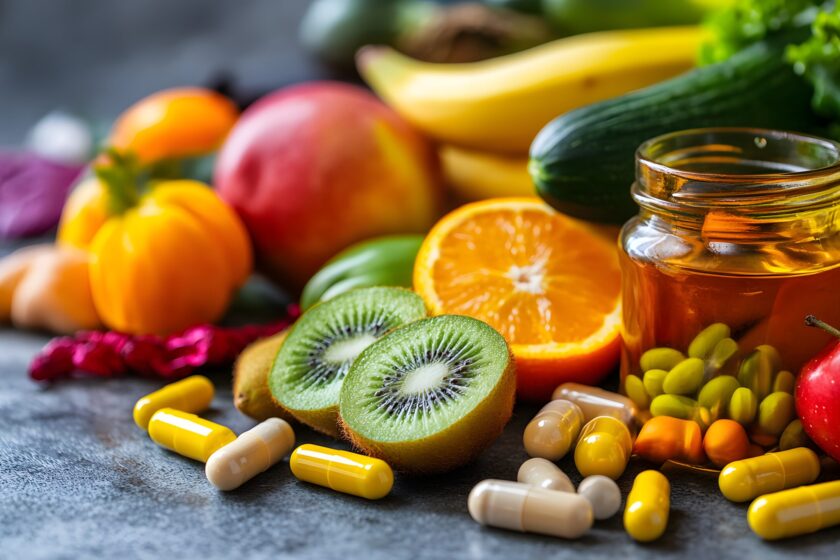
Even after a year, supplementation may be necessary. Multivitamins, calcium, vitamin D, and B12 are commonly recommended. Hydration remains critical, with water intake spread evenly throughout the day to prevent dehydration and support digestion.
Scientific evidence shows that consistent supplementation reduces the risk of anemia, osteoporosis, and neurological complications, highlighting that a Gastric Sleeve diet plan extends beyond just solid food choices.
Sample Gastric Sleeve Meal Plan
| Meal | Food Options | Notes |
| Breakfast | Greek yogurt, protein powder, soft fruit | High protein, low sugar |
| Mid-morning | Protein shake or boiled egg | Small portion to maintain satiety |
| Lunch | Mashed vegetables, soft fish or chicken | Balanced macros, easy digestion |
| Snack | Cottage cheese or hummus | Light and protein-rich |
| Dinner | Lentil soup, steamed vegetables, tender meat | Emphasis on fiber and protein |
This sample plan can be adapted to individual tolerance and preferences while maintaining the nutritional principles essential to Gastric Sleeve patients.
Tips for Long-Term Success
- Eat slowly and chew thoroughly.
- Avoid carbonated drinks that can stretch the stomach.
- Keep high-protein snacks accessible.
- Monitor weight trends and nutrient intake regularly.
- Pair meals with mindful hydration.
Adopting these habits early establishes a strong foundation for life after a Gastric Sleeve, helping patients enjoy sustainable results without compromising nutrition.
Navigating the first year after a Gastric Sleeve surgery requires attention, patience, and strategic planning. From liquids and pureed foods to solid meals, each phase is designed to protect the healing stomach while ensuring adequate nutrition. A thoughtful Gastric Sleeve diet plan, paired with proper supplementation and hydration, supports long-term weight management and overall wellness. By embracing these dietary principles, patients can experience the transformative potential of bariatric surgery safely and effectively.