
Undergoing a Gastric Sleeve procedure can be a life-changing decision for individuals struggling with obesity. While this surgery offers significant benefits, it also comes with certain risks and potential complications that every patient should understand. This guide explores the most important considerations, from surgical challenges to long-term health impacts, providing a balanced and evidence-based perspective.
Understanding the Basics of Gastric Sleeve
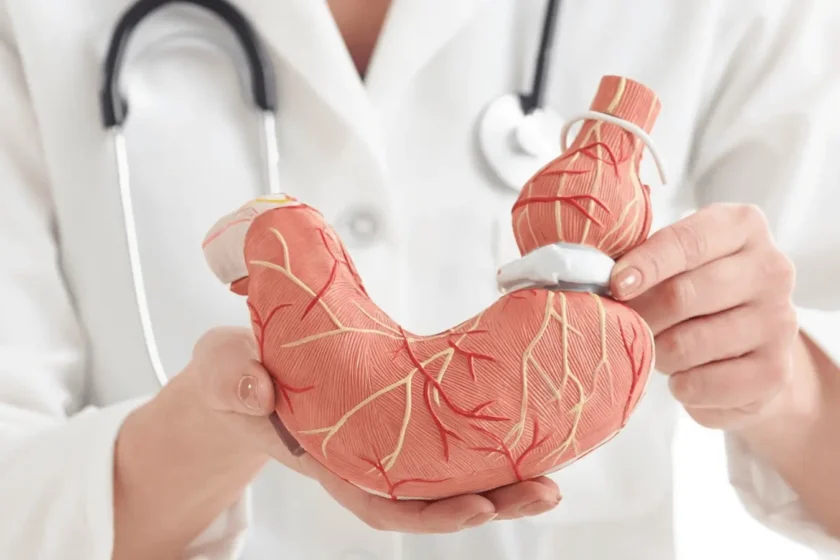
The Gastric Sleeve, also known as sleeve gastrectomy, involves reducing the size of the stomach to limit food intake. This procedure not only helps with weight loss but also impacts hormones related to hunger and metabolism. However, despite its popularity, it is essential to recognize that this is major surgery, and like any surgical intervention, it carries risks.
Patients often ask whether the procedure is safer than other bariatric options. Research indicates that, compared to Roux-en-Y gastric bypass, Gastric Sleeve surgery tends to have fewer long-term nutritional deficiencies but does carry unique complications such as leaks along the staple line.
Surgical Risks Associated with Gastric Sleeve
All surgeries carry inherent dangers, and Gastric Sleeve is no exception. The most immediate risks include bleeding, infection, and reactions to anesthesia. While hospitals follow strict protocols to minimize these complications, studies show that postoperative bleeding occurs in approximately 1–3% of cases.
Staple line leaks, although rare, are one of the most serious concerns. These leaks can lead to peritonitis, requiring intensive care and sometimes additional surgeries. Surgeons employ techniques such as leak tests during the operation to reduce this risk.
Nutritional Complications After Gastric Sleeve
Reducing the stomach size naturally impacts nutrient absorption. Patients may face deficiencies in vitamins B12, D, calcium, and iron, especially if dietary supplements are not properly managed.
Although Gastric Sleeve does not involve intestinal rerouting like gastric bypass, the smaller stomach limits the quantity of food intake, increasing the risk of malnutrition if patients do not follow dietary recommendations. Regular blood tests and consultations with dietitians are critical for early detection of deficiencies.
Gastrointestinal Side Effects and Challenges
After a Gastric Sleeve, patients can experience nausea, vomiting, or acid reflux. These symptoms often arise due to the reduced stomach size and changes in digestion. Studies suggest that around 10–20% of patients may develop significant gastroesophageal reflux disease (GERD) post-surgery.
Managing portion sizes, eating slowly, and avoiding trigger foods are essential strategies. Some patients may require medication or, in rare cases, additional surgical interventions to address persistent reflux.
Long-Term Risks and Weight Regain
Although the Gastric Sleeve is effective for substantial weight loss, some patients may experience weight regain over the years. Hormonal adaptations, lifestyle factors, and psychological elements all contribute to this phenomenon.
Continuous follow-up, regular exercise, and structured nutritional plans are vital to maintaining weight loss. Studies indicate that adherence to these strategies can reduce weight regain by up to 50% over five years.

Psychological and Emotional Considerations
Undergoing a Gastric Sleeve surgery is not only a physical journey but also an emotional one. Patients often face changes in body image, self-esteem, and eating habits. Psychological support before and after surgery significantly impacts overall satisfaction and long-term success.
Research has shown that structured counseling and support groups can decrease the risk of postoperative depression and improve adherence to lifestyle modifications.
Rare but Serious Complications
While uncommon, some patients experience complications such as deep vein thrombosis (DVT), pulmonary embolism, or severe infections. Monitoring for early warning signs, maintaining mobility post-surgery, and following all medical instructions are key preventive measures.
Moreover, patients with pre-existing conditions like diabetes, cardiovascular disease, or liver problems may face heightened surgical risks. Comprehensive preoperative evaluations help mitigate these dangers.
Balancing Benefits and Risks of Gastric Sleeve
The Gastric Sleeve offers transformative results in terms of weight reduction and metabolic improvement. However, understanding the potential complications is critical for informed decision-making. Patients should weigh the benefits against risks, collaborate closely with a multidisciplinary medical team, and commit to long-term lifestyle adjustments.
By approaching the surgery with realistic expectations and robust follow-up care, individuals can maximize the benefits while minimizing complications.
The Gastric Sleeve is a powerful tool in the fight against obesity, but it is not without its complexities. From surgical and nutritional risks to psychological adjustments, understanding these aspects helps patients make informed choices and achieve sustainable outcomes. Knowledge, preparation, and ongoing care are key to navigating the journey safely and effectively.