
Gastric sleeve surgery is one of the most effective weight loss procedures worldwide. However, the long-term success of this operation depends not only on the surgery itself but also on the dietary choices made during recovery. Many patients wonder what they can actually eat after this procedure. The answer is not just about what foods are safe but also about how the diet should progress in stages to protect the stomach, support healing, and ensure optimal weight loss results.
Why diet matters after gastric sleeve surgery
After the operation, the stomach is reduced to a smaller pouch. This structural change makes it essential to follow a carefully structured diet. Eating habits must be rebuilt to prevent complications, promote healing, and achieve sustainable weight loss. The wrong foods at the wrong time can cause discomfort, nausea, or even damage to the stomach lining. On the other hand, the right foods can speed up recovery and provide vital nutrients for energy and healing.
Stages of the post gastric sleeve diet
The post-surgery diet is divided into clear stages. Each stage introduces new food textures and nutrients, allowing the stomach to adapt gradually.
Stage 1 Clear liquid diet
Immediately after surgery, patients start with clear liquids. This stage usually lasts 1 to 2 days. The focus is hydration and preventing strain on the stomach.
Examples include
- Water
- Sugar-free clear broth
- Unsweetened herbal tea
- Sugar-free gelatin
- Electrolyte drinks without carbonation
Stage 2 Full liquid diet
After a few days, the patient moves to full liquids. This provides more nutrition while keeping the stomach safe from solid food stress.
Examples include
- Protein shakes with at least 20 grams of protein
- Skim milk or lactose-free milk
- Sugar-free yogurt without fruit chunks
- Creamy soups blended until smooth
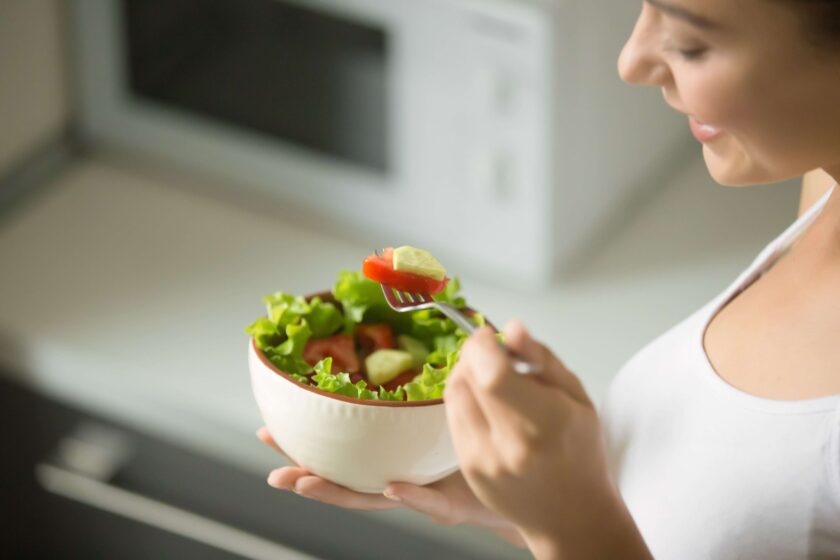
Stage 3 Pureed foods
Around week 2 to 3, patients may start eating pureed meals. Food must be blended to a smooth consistency with no chunks. The goal is to increase nutrients and satiety while still being gentle on the stomach.
Examples include
- Pureed lean chicken or turkey
- Mashed beans or lentils
- Smooth mashed potatoes or carrots
- Pureed eggs
- Cottage cheese blended to a soft texture
Stage 4 Soft foods
At week 4 to 6, soft foods can be introduced. These foods should be tender, moist, and easy to chew. Patients are encouraged to eat slowly and chew thoroughly.
Examples include
- Scrambled eggs
- Steamed fish
- Soft tofu
- Avocado
- Ripe bananas
- Well-cooked vegetables
Stage 5 Regular healthy foods
After 6 to 8 weeks, patients can move to solid foods. The diet should now focus on high protein, low fat, and nutrient-dense options. Portion control is critical since the new stomach size cannot handle large amounts of food.
Examples include
- Lean meats such as chicken breast or turkey
- Grilled fish rich in omega-3
- Fresh vegetables
- Whole grains in small amounts
- Low-fat dairy products
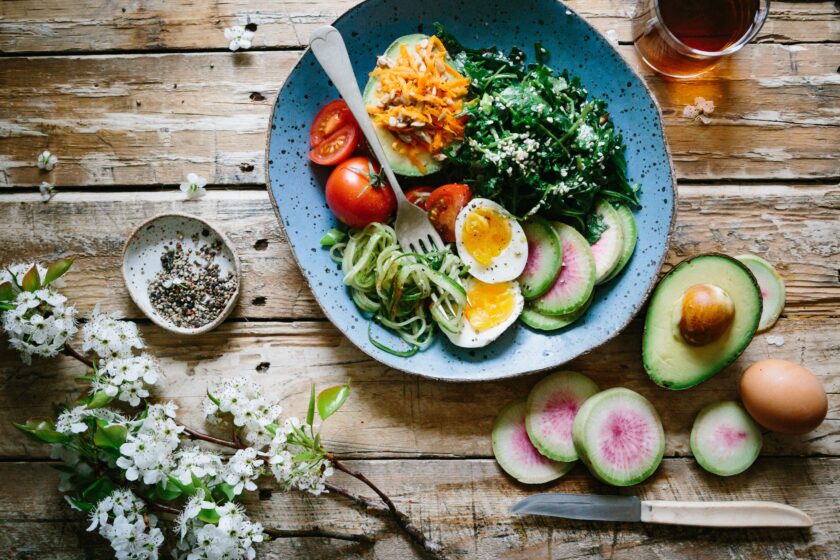
Key nutrition guidelines after gastric sleeve surgery
Beyond the stages, there are lifelong nutrition rules patients must follow.
- Protein first: Every meal should prioritize protein intake. At least 60–80 grams of protein daily are recommended.
- Small bites: Eat slowly, chew thoroughly, and stop as soon as you feel full.
- Hydration: Drink at least 1.5 liters of water daily, but avoid drinking 30 minutes before and after meals to prevent overfilling the stomach.
- Vitamin supplementation: Since food intake is limited, multivitamins, calcium, vitamin D, iron, and B12 are essential.
- Avoid problematic foods: High-sugar foods, fried meals, carbonated drinks, and alcohol should be avoided because they can cause dumping syndrome or hinder weight loss.
Common mistakes to avoid
Many patients struggle because of poor food choices or eating behaviors. Some common mistakes include
- Eating too fast and causing nausea
- Drinking with meals and stretching the stomach
- Consuming carbonated beverages leading to bloating
- Choosing processed foods over nutrient-dense meals
Benefits of following the correct diet
A proper post gastric sleeve diet is not just about avoiding discomfort. It supports weight loss, prevents nutritional deficiencies, and protects long-term health. Patients who adhere strictly to dietary stages often lose between 60 and 70 percent of their excess weight within the first 18 months. Beyond numbers, it improves energy levels, reduces obesity-related conditions, and enhances overall quality of life.

Sample daily meal plan after gastric sleeve
Here is an example of a soft-food phase menu
- Breakfast: Scrambled eggs with low-fat cheese
- Snack: Greek yogurt with no added sugar
- Lunch: Soft grilled fish with mashed carrots
- Snack: Protein shake
- Dinner: Pureed beans with steamed zucchini
This type of plan balances protein, fiber, and vitamins while being gentle on the stomach.
Considering gastric sleeve surgery in Turkey
Many international patients choose Turkey for gastric sleeve surgery because of its advanced medical infrastructure, highly experienced surgeons, and cost-effective treatment packages. Recovery support, including diet guidance, is often integrated into the treatment plan. Patients benefit not only from high-quality care but also from comprehensive follow-up that ensures dietary success.
Final thoughts
Knowing what you can eat after gastric sleeve surgery is one of the most important steps toward lasting success. A structured approach with clear diet stages, careful portion control, and consistent nutrient focus ensures safe healing and sustainable weight loss. Patients who follow these guidelines build healthier eating habits for life. For those considering this procedure, working with experienced bariatric teams in trusted destinations such as Turkey offers both medical safety and effective long-term outcomes.