
Gastric Balloon treatment has become one of the most discussed non surgical weight loss options in recent years. As more patients explore minimally invasive solutions for obesity management, understanding Gastric Balloon side effects and risks becomes just as important as knowing its benefits. At Dr. Caynak’s clinic, patient education stands at the center of every decision, because informed patients tend to feel more confident and prepared throughout their transformation journey.
While the Gastric Balloon is widely considered less invasive than bariatric surgery, it still interacts directly with the stomach and digestive system. That interaction naturally raises questions about tolerance, complications, and long term outcomes.

What Is a Gastric Balloon and How Does It Work in the Body?
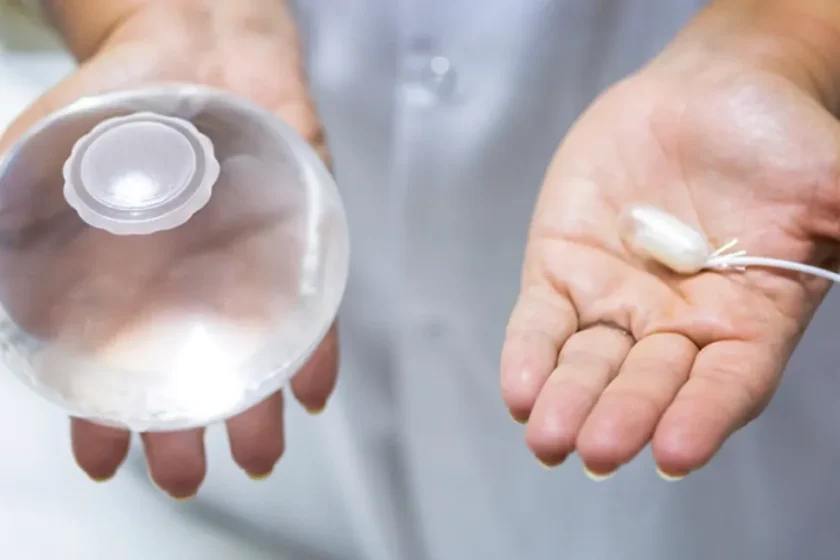
The Gastric Balloon is a temporary, space occupying device placed inside the stomach to support weight loss. It is usually inserted endoscopically and filled with saline or gas. By partially filling the stomach cavity, it reduces available space for food and may promote earlier satiety.
Unlike surgical bariatric procedures, the Gastric Balloon does not permanently alter digestive anatomy. Instead, it works mechanically. The presence of the balloon may slow gastric emptying and enhance feelings of fullness. Some research suggests that this interaction can influence hunger related hormones such as ghrelin, although findings vary across patient populations.
Most systems remain in the stomach for approximately six months. During this period, the body gradually adapts to the device, which explains why side effects are often more noticeable in the first days or weeks.
Common Early Gastric Balloon Side Effects
Early side effects of Gastric Balloon placement are typically related to the stomach adapting to a foreign object. Nausea and vomiting are frequently reported within the first 72 hours. In clinical observations, up to two thirds of patients may experience temporary discomfort during the adaptation phase.
Other commonly described symptoms include:
- Abdominal cramping
- Bloating
- Acid reflux
- Mild dehydration
- Loss of appetite beyond expected levels
These symptoms often decrease as the stomach accommodates the Gastric Balloon. However, the intensity varies between individuals. Factors such as pre existing gastritis, sensitivity to anesthesia, or psychological stress may influence how strongly someone reacts.
In most documented cases, early symptoms are manageable and short lived. Still, severe or persistent vomiting can require medical evaluation, and in rare situations, balloon removal may be considered.
Moderate Complications Associated With Gastric Balloon Treatment
Although generally regarded as safe, the Gastric Balloon can be associated with moderate complications. These are less common than early discomfort but more significant when they occur.
One potential issue is gastric ulcer formation. The balloon’s constant contact with the stomach lining may increase irritation risk, particularly in patients who smoke or use certain medications. Proton pump inhibitors are often prescribed to reduce acid exposure, though response varies.
Another reported complication is balloon deflation. If a Gastric Balloon partially deflates, it may migrate into the intestines. Modern systems are designed with colored saline so urine discoloration can serve as an early warning sign. Even so, migration remains a documented but uncommon risk.
Clinical reviews published in obesity journals suggest that moderate complications occur in a small percentage of cases, generally below 10 percent, though figures depend on device type and patient selection criteria.
Rare but Serious Gastric Balloon Risks
Serious risks linked to Gastric Balloon treatment are considered rare, yet they receive attention due to their potential severity. These may include:
| Potential Risk | Description | Frequency Trend |
| Gastric perforation | Tear in stomach wall | Very rare |
| Intestinal obstruction | Blockage due to migration | Rare |
| Acute pancreatitis | Inflammation due to compression | Rare |
| Severe dehydration | From prolonged vomiting | Uncommon |
Reports of acute pancreatitis have been associated with excessive pressure from the Gastric Balloon against surrounding organs. While the incidence remains low, regulatory agencies have issued monitoring recommendations to enhance safety awareness.
It is important to interpret these risks in context. Obesity itself carries significant health risks, including cardiovascular disease and metabolic disorders. When evaluating Gastric Balloon therapy, risk comparison often becomes part of the broader clinical discussion.
Who May Have Higher Gastric Balloon Risk Factors?
Not every patient responds to a Gastric Balloon in the same way. Certain characteristics may increase the likelihood of side effects or complications.
Patients with previous gastric surgery may have altered anatomy that affects balloon placement. Those with large hiatal hernias or severe reflux disease may also face increased intolerance. Chronic use of non steroidal anti inflammatory drugs has been linked with higher ulcer risk.
Body mass index alone does not determine safety. Instead, a combination of medical history, lifestyle patterns, and psychological readiness shapes outcomes. Some studies indicate that emotional eating patterns may influence adaptation to the Gastric Balloon, since satiety signals change abruptly.
A comprehensive pre procedure evaluation helps reduce preventable risks. This may include endoscopic assessment, laboratory analysis, and multidisciplinary consultation.
Long Term Considerations After Gastric Balloon Removal
The Gastric Balloon is temporary, but its effects can extend beyond the six month placement period. Once removed, appetite may gradually return to baseline. This transition phase plays a crucial role in maintaining results.
Weight regain is not necessarily caused by the balloon itself but by lifestyle patterns after removal. Research tracking patients one year post removal suggests varied outcomes. Some individuals maintain a significant portion of weight loss, while others regain part of it.
Another long term consideration involves psychological adaptation. Living with a Gastric Balloon often changes eating behavior and portion awareness. After removal, patients may need structured support to preserve these habits.
From a physiological perspective, the stomach typically returns to its original volume. No permanent anatomical change remains, which distinguishes the procedure from surgical bariatric interventions.
Scientific Evidence on Gastric Balloon Safety
Over the past decade, multiple systematic reviews have examined Gastric Balloon safety and effectiveness. Data suggest average excess weight loss percentages ranging between 10 and 15 percent over six months. Complication rates remain relatively low when proper patient selection is applied.
A meta analysis published in international obesity research journals highlighted that serious adverse events occur in a minority of cases. However, heterogeneity across studies makes direct comparison complex. Device type, physician experience, and follow up protocols all influence outcomes.
Interestingly, some research points to improved metabolic markers during the Gastric Balloon period. Decreases in fasting glucose, triglycerides, and blood pressure have been observed. These improvements may contribute to overall risk reduction when carefully monitored.
Scientific consensus generally frames the Gastric Balloon as a bridge therapy rather than a permanent solution. It can serve as preparation for surgery or as a standalone temporary intervention.
Balancing Benefits and Risks of Gastric Balloon Therapy
Every medical intervention involves a balance between expected benefits and possible drawbacks. The Gastric Balloon is no exception. Compared with surgical procedures, it avoids incisions and permanent anatomical changes. Compared with diet alone, it introduces a mechanical tool that may enhance adherence.
Yet tolerance varies widely. Some patients describe the first week as challenging. Others adapt quickly with minimal discomfort. Individual variability remains one of the most discussed aspects in clinical evaluations.
From a risk perspective, most complications are manageable when detected early. Transparent communication between patient and medical team often improves overall experience with the Gastric Balloon. Understanding realistic expectations reduces anxiety and helps patients approach the process with clarity rather than fear.
An Informed Perspective on Gastric Balloon Risks
The Gastric Balloon represents a modern, minimally invasive option in weight management. While generally considered safe, it is not free from side effects or risks. Early nausea, moderate complications, and rare serious events form part of the broader safety profile.
Evaluating Gastric Balloon therapy requires individualized assessment rather than generalized assumptions. At Dr. Caynak’s clinic, the emphasis remains on detailed evaluation, scientific transparency, and structured follow up. When patients understand both the advantages and the uncertainties of a Gastric Balloon, they are better positioned to make thoughtful decisions.
Weight management is rarely a single step journey. The Gastric Balloon may serve as one chapter within a larger health transformation story. Approaching it with balanced knowledge, realistic expectations, and professional guidance can make that chapter more predictable and informed.